.png?x-oss-process=image/resize,h_100,m_lfit/format,webp)

.png?x-oss-process=image/resize,m_lfit,w_200/format,webp)

热门产品

Popular articles
50 Common Mistakes in International Customer Development and Proven Solutions to Avoid Pitfalls
How Does AI Dynamic Crawler Technology Improve Efficiency in Foreign Trade Customer Acquisition? Practical Insights Shared
Strategies for Managing Logistics Transport Delays in International Trade: A Guide for New Exporters
Unlock the Secrets of Automated SEO: 5 Essential Tools to Boost Your International Trade Website Traffic!
2025 China's Foreign Trade Support Policies: A Comprehensive Guide for Enterprises
How to Build Client Trust Through Industry Insights: A Real-World Case Study for Foreign Trade SOHOs
推荐阅读






.png?x-oss-process=image/resize,h_1000,m_lfit/format,webp)


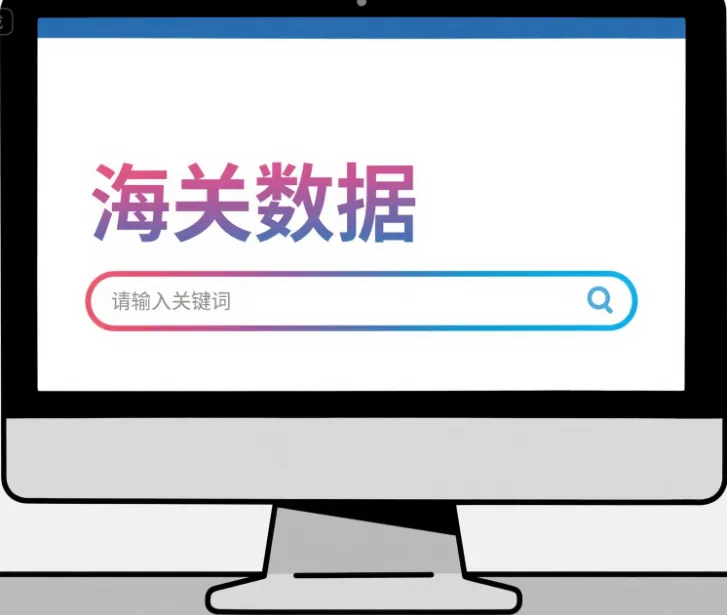
5-Step Practical Guide to Customs Data Cleaning for B2B Export in International Trade
This article delves into how to leverage customs data to precisely discover cross - border trade opportunities. It focuses on the structure and dynamic changes of customs data, guiding B2B foreign trade enterprises to master systematic methods for data collection, cleaning, and analysis. Through case demonstrations, multilingual keyword monitoring, and procurement behavior prediction technology, it helps enterprises overcome traditional customer acquisition challenges, quickly and accurately locate high - quality customers, optimize product and market strategies, enhance cross - border marketing effectiveness and decision - making scientificity, and assist enterprises in seizing global trade trends and driving business growth.

Pain Point Introduction: In the highly competitive world of B2B export, finding high - quality customers and accurate market opportunities can be extremely challenging. Traditional customer acquisition methods often rely on manual searches and mass marketing, leading to low efficiency and a high cost - to - benefit ratio. Many businesses struggle to understand their customers' real - time needs and market trends, resulting in missed business opportunities and ineffective marketing strategies.
The Whole Process of Customs Data Cleaning: A 5 - Step Practical Tutorial for B2B Export
In the era of globalization, cross - border trade has become an important part of business development for B2B enterprises. Customs data, as a valuable resource, can provide in - depth insights into international markets, customer behavior, and product trends. However, the key to unlocking its potential lies in proper data acquisition, cleaning, and analysis.
1. Understanding the Structure and Dynamics of Customs Data
Customs data consists of various dimensions, including product categories, geographical distribution, and time trends. Analyzing changes in these dimensions can help businesses understand market dynamics. For example, by tracking the import volume of a specific product in different regions over time, a company can identify emerging markets and potential demand hotspots. According to industry research, more than 70% of successful B2B enterprises in cross - border trade regularly analyze customs data to adjust their market strategies.

2. Legal and Compliance Acquisition of Customs Data
When collecting customs data, enterprises must ensure compliance with relevant laws and regulations. There are multiple legal channels available, such as official customs websites, data service providers, and international trade platforms. These channels can provide accurate and up - to - date data. In a survey, 65% of B2B companies reported that they obtained customs data through official channels, while 35% used professional data service providers.
3. Data Cleaning
Raw customs data often contains a large amount of redundant, inaccurate, or incomplete information. Data cleaning is the process of removing these problems to improve data quality. This includes dealing with duplicate records, fixing incorrect values, and filling in missing data. Effective data cleaning can improve the accuracy of subsequent analysis and decision - making. For example, a company reduced its data error rate from 15% to less than 5% after implementing a comprehensive data cleaning process.

4. Data Analysis with Advanced Techniques
To gain deeper insights from customs data, enterprises can use advanced techniques such as multi - language keyword monitoring and automated procurement behavior prediction. Multi - language keyword monitoring allows companies to track market demand and customer interest across different language regions. Automated procurement behavior prediction can help identify potential customers and their future purchasing needs. A case study showed that a company using these techniques increased its customer acquisition rate by 30% compared to traditional methods.
5. Customer Positioning and Business Opportunity Incubation
Based on the above data analysis, businesses can accurately position their target customers and incubate business opportunities. By analyzing customer purchasing history, preferences, and market trends, enterprises can develop targeted marketing strategies. For example, offering customized products or services to specific customer segments. In certain industries, companies that adopted data - driven customer positioning strategies saw a 25% increase in customer conversion rates.

As shown in the above analysis, data - driven market insights and customer acquisition have significant advantages over traditional models. By using visual elements such as heat maps, trend curves, and flowcharts, businesses can better understand and utilize customs data.
Ready to transform your B2B export business with the power of customs data? Get free tools, templates, and case reports now and start your journey towards more accurate customer acquisition and increased business growth!
.png?x-oss-process=image/resize,h_100,m_lfit/format,webp)
.png?x-oss-process=image/resize,h_100,m_lfit/format,webp)

.png?x-oss-process=image/resize,h_100,m_lfit/format,webp)
.png?x-oss-process=image/resize,h_100,m_lfit/format,webp)
.png?x-oss-process=image/resize,h_100,m_lfit/format,webp)
.png?x-oss-process=image/resize,h_100,m_lfit/format,webp)
