.png?x-oss-process=image/resize,h_100,m_lfit/format,webp)

.png?x-oss-process=image/resize,m_lfit,w_200/format,webp)

热门产品

热门文章
新出口商必备指南:与海外客户快速建立联系的有效技巧及工具推荐!
揭秘B2B外贸企业获客难题:AB客户快速获取引擎来救场!
B2B外贸企业必备:AI客户管家如何提升海外询盘转化率!
非英语市场动态俄语关键词权重调整:提升跨境B2B营销转化
3小时内打造高效多语言外贸网站:AI零代码建站案例研究
外贸客户跟进:从潜在客户到订单转化的实用解决方案!
你的独立站正在浪费70%流量?!教你用AI把5000播放量变成50个询盘!
创业者的破局之路——"从0到1,AB客让我一个人活成了一支队伍"
机械行业外贸案例:人工智能智能咨询助手提升高质量询盘转化率的实证分析
外贸人疯传!“1+AI”外贸新打法,客户询盘量暴增 300%!
Recommended Reading




.png?x-oss-process=image/resize,h_1000,m_lfit/format,webp)
AB客·外贸B2B GEO解决方案:AI主动推荐产品,构建可持续获客闭环
生成式AI正重塑外贸B2B获客逻辑,从依赖SEO关键词排名转向AI主动推荐产品。本文解析GEO(生成式引擎优化)本质:以企业知识库为核心,将专业能力转化为AI可理解、可信任的内容资产,构建从内容生成、全球分发到客户转化的可持续闭环。通过案例拆解实现‘被AI推荐’而非‘被搜索’,助出口企业摆脱平台依赖,打造长期复利增长引擎。

The Death of Traditional SEO: How Generative AI is Rewriting B2B Export Lead Generation Rules
Remember when ranking for "industrial machinery China supplier" or "medical device manufacturer Asia" guaranteed a steady stream of B2B inquiries? Those days are numbered. According to Statista's 2024 Digital Marketing Report, 68% of B2B buyers now start their product research with AI assistants rather than traditional search engines—a 247% increase from just two years ago.
"By 2025, Gartner predicts that 30% of B2B purchasing decisions will be influenced by AI recommendation engines rather than human-driven search queries. Companies that fail to optimize for these new discovery paths will face significant market share erosion."
— Gartner Digital Commerce Research, 2024
When Keywords Fail: The Shifting Landscape of B2B Buyer Behavior
Your potential clients aren't just typing differently—they're thinking differently. Instead of searching for "stainless steel pipe fittings," today's procurement managers ask their AI assistants: "What are the most reliable Chinese manufacturers of food-grade stainless steel pipe fittings with ISO 22000 certification and minimum order quantities under 500 units?"
This fundamental shift from keyword-based search to conversational querying has broken traditional SEO strategies. The problem isn't that your website lacks keywords—it's that AI systems can't properly interpret your unique capabilities, manufacturing processes, quality control standards, or customization options when they're buried in generic web content.
Beyond Keywords: The Architecture of AI-Readable Content Assets
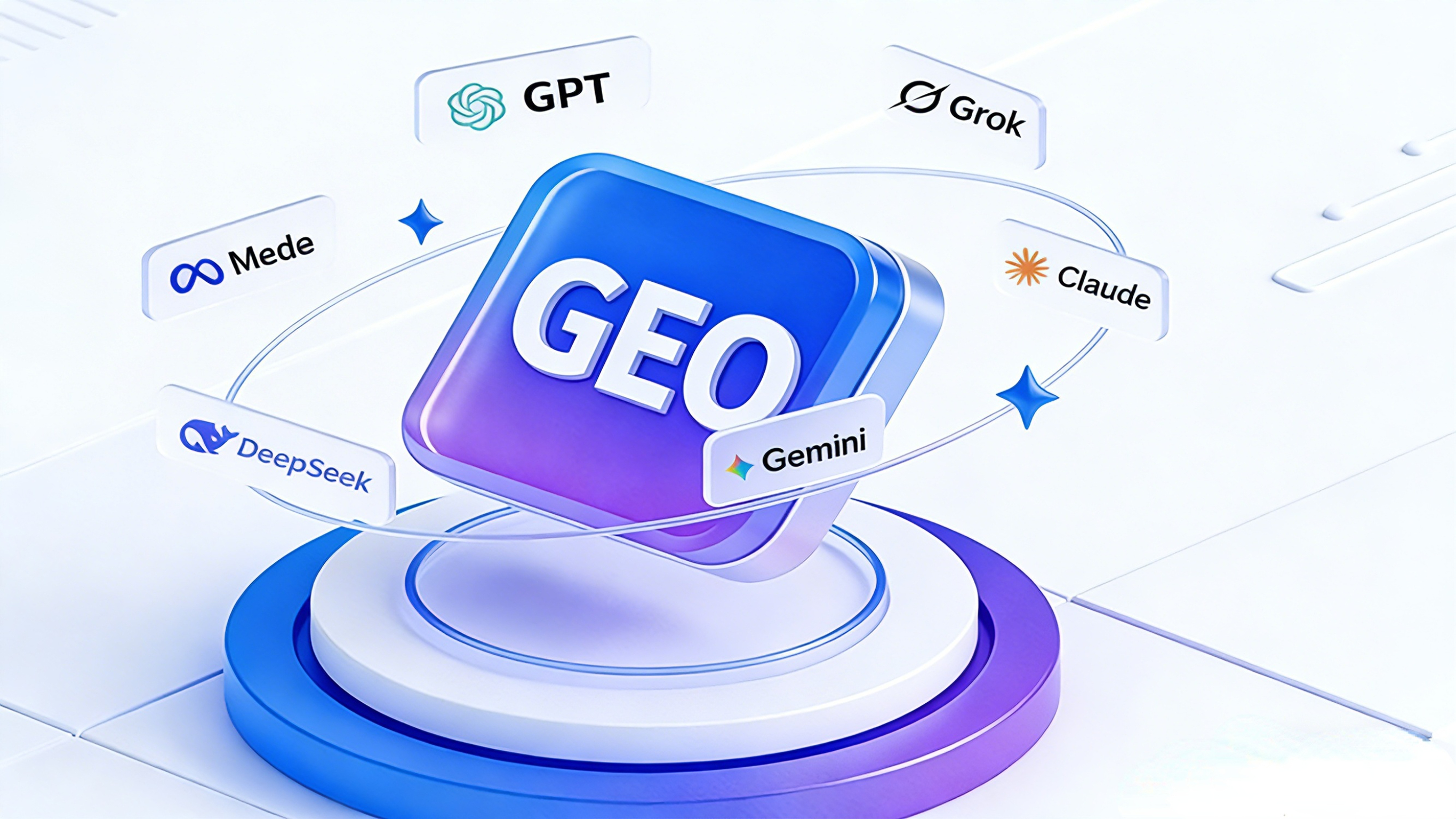
Generative Engine Optimization (GEO) isn't just another marketing buzzword—it's a systematic approach to transforming your company's expertise into structured knowledge that AI systems can understand, trust, and recommend. At its core, GEO requires you to document what makes your business unique in a language AI comprehends.
The 5 Critical Knowledge Dimensions AI Needs to Recommend Your Business
- Capability Specifications: Detailed manufacturing processes, technology stack, and production capacities
- Quality Assurance Framework: Certification standards, testing protocols, and compliance procedures
- Customization Parameters: Design flexibility, material options, and modification capabilities
- Supply Chain Resilience: Lead time structures, inventory management, and logistics partnerships
- Industry-Specific Expertise: Vertical market experience and specialized solutions
If you want AI to recommend you, start by creating a comprehensive capability inventory. Document not just what you sell, but how you manufacture it, what quality controls you implement, what customization options you offer, and which industries you've successfully served.
From Content Creation to Customer Conversion: The GEO Implementation Roadmap
Implementing GEO requires a strategic, four-phase approach that transforms your knowledge into AI-recommended opportunities:
1. Knowledge Structuring: Building Your AI-Ready Foundation
This critical first step involves organizing your company's expertise into structured formats—product specification matrices, manufacturing process flowcharts, quality control checklists, and case study frameworks. According to McKinsey's 2024 AI Readiness Report, companies with structured knowledge bases are 3.2x more likely to be recommended by AI systems.
2. Content Generation: Creating AI-Understandable Assets
Your structured knowledge then becomes the foundation for creating thousands of AI-optimized content pieces—technical specifications, application guides, industry solutions, and problem-solution narratives. These assets should answer the complex questions your buyers are asking AI assistants, not just target traditional keywords.
3. Global Distribution: Maximizing AI Discovery Points
Strategic distribution across AI-indexed platforms ensures your content becomes part of the knowledge ecosystem that powers recommendation engines. This includes your optimized website, industry directories, specialized B2B platforms, and even carefully crafted social media content that addresses specific buyer challenges.
4. Conversion System: Turning Recommendations into Relationships
The final piece connects your GEO content to a robust CRM system that captures inquiry context, automates follow-up based on specific buyer interests, and nurtures leads through the B2B decision cycle. This closed-loop approach ensures you don't just get recommended—you convert those recommendations into actual business relationships.
Real Results: How a Mid-Sized Manufacturer Transformed Their Lead Generation
The Case: Precision Machinery Components Manufacturer
- Before GEO: Reliant on Alibaba and Google Ads, 12-15 inquiries/month, 2.3% conversion rate
- After GEO Implementation: 47 inquiries/month (+292%), 5.8% conversion rate (+152%), 63% reduction in customer acquisition cost
- Key Insight: 78% of new inquiries came through AI recommendation systems, not traditional search
This manufacturer achieved these results not by chasing keywords, but by documenting their specialized manufacturing capabilities for precision components used in medical devices. Their detailed content on tolerance control (±0.002mm), material certification processes, and ISO 13485 compliance became highly recommended by AI systems when buyers asked for medical-grade component manufacturers.
The Sustainable Advantage: Why GEO Builds Long-Term Digital Assets
Unlike paid advertising or even traditional SEO—which require constant investment to maintain results—GEO creates compounding digital assets. Each piece of structured knowledge, each detailed capability document, and each industry-specific solution becomes a permanent part of your company's digital footprint that AI systems reference and recommend.
Consider this: A well-structured product capability document created today will continue to generate recommendations for years to come, long after your competitors have moved on to the next marketing trend. This is the power of knowledge-based marketing in the AI era—it builds sustainable competitive advantage through accumulated digital assets.
Ready to Transform How AI Sees Your Business?
Take the first step toward sustainable, AI-powered lead generation with AB客's GEO Solution
Get Your GEO Capability AssessmentThe B2B discovery process has fundamentally changed. While your competitors continue optimizing for yesterday's search behavior, you can position your business at the forefront of AI recommendation systems. The question isn't whether AI will transform your industry's lead generation—it's whether you'll be the one recommended, or the one left behind.
.png?x-oss-process=image/resize,h_100,m_lfit/format,webp)
.png?x-oss-process=image/resize,h_100,m_lfit/format,webp)

.png?x-oss-process=image/resize,h_100,m_lfit/format,webp)
.png?x-oss-process=image/resize,h_100,m_lfit/format,webp)
.png?x-oss-process=image/resize,h_100,m_lfit/format,webp)
.png?x-oss-process=image/resize,h_100,m_lfit/format,webp)
