.png?x-oss-process=image/resize,h_100,m_lfit/format,webp)

.png?x-oss-process=image/resize,m_lfit,w_200/format,webp)

热门产品

Popular articles
Foreign trade inquiry classification and golden reply template: a practical guide to get customers to reply within seconds!
For growth-stage companies in the machinery industry: the most profitable channel combination (exhibitions + platforms + search + email)
AB Ke focuses on AI technology innovation, automatically finds customers 24/7, and helps to efficiently connect global trade!
A complete guide to South Asia (India) market development in 2025: B2B export insights and development strategies!
New B2B Export Lead Generation Strategy: Product Category Clustering to Identify Real Purchase Intent
Secrets to Boosting Website Building Efficiency for B2B Foreign Trade Enterprises: Unveiling the 3-Hour AI Process from Brand Information Input to Launch
From Single Site to Site Network: 5 Key Steps to Boost Overseas Operational Efficiency for Foreign Trade Enterprises (With Industry Case Studies)
Is it worth building a WordPress independent website for foreign trade? Pros and cons analysis + AB customer acquisition skills improvement inquiry
Recommended Reading




.jpg?x-oss-process=image/resize,h_1000,m_lfit/format,webp)


How AI Content Factories Empower Multichannel Content Distribution and Conversion for Export B2B Companies
This article explores how AI content factories enable export-oriented B2B enterprises to achieve automated multichannel content distribution and higher conversion rates. It provides an in-depth analysis of rapid multilingual site network construction, intelligent industry terminology integration, localized SEO strategies, and content lifecycle management. Leveraging real-world cases, the article demonstrates how intelligent technology optimizes content creation and customer conversion paths, helping businesses build efficient, sustainable multilingual websites to precisely target global markets.

Harnessing AI Content Factories to Power Multichannel Content Distribution and Conversion in Global B2B Trade
In the fiercely competitive landscape of global B2B trade, the ability to swiftly produce, distribute, and optimize multilingual content across a spectrum of digital channels has become a decisive advantage. The emergence of AI Content Factories—automated, intelligent platforms for content generation and deployment—is revolutionizing how export companies engage international markets. This article explores the core technologies and strategies behind AI Content Factories, illustrating their pivotal role in building scalable multilingual websites, optimizing localized SEO, and driving superior inquiry-to-conversion performance.
Automating Multilingual Website Clusters: Speed and Precision at Scale
Traditional content localization processes are often cumbersome and resource-intensive, especially when targeting diverse markets with unique languages and cultural nuances. AI Content Factories enable exporters to rapidly assemble multi-language site clusters through automated translation engines, integrated with industry-specific terminology databases. Such semantic accuracy dramatically reduces manual editing efforts and ensures brand messaging consistency.
Statistics show that companies leveraging AI-driven multilingual site setups can cut content production time by up to 70% while achieving a 40% increase in organic search visibility in target markets.

Intelligent Industry Terminology Integration for Enhanced Relevance
Accurate terminology is critical in B2B contexts where specialized product descriptions and technical jargon influence buyer trust and search engine rankings. AI Content Factories incorporate dynamic terminology libraries calibrated for sectors such as manufacturing, electronics, or chemicals. This ensures not only linguistic accuracy but also semantic depth, improving keyword relevance and meeting the precise queries of professional buyers.
For example, a global machinery exporter employed AI-driven terminology integration that resulted in a 28% increase in qualified leads from localized search engines within three months.
Localized SEO Strategies: Unlocking Regional Market Potential
The effectiveness of a multilingual website hinges on its SEO adaptability to local market algorithms and user behaviors. AI Content Factories facilitate automated SEO optimization tasks—meta tags, schema markup, hreflang annotations—tailored per language and region. This fine-tuned localization enables enhanced SERP rankings, shorter sales cycles, and reduced bounce rates.
| Localization Element | AI Automation Benefits | Impact on B2B Conversion |
|---|---|---|
| Meta Tags | Real-time localization per language | +15% organic traffic growth |
| Hreflang Attributes | Automated implementation for correct regional targeting | Lower bounce rate by 12% |
| Schema Markup | Enhanced snippet display customization | Improved CTR by 20% |
Closing the Loop: Content Lifecycle Management and ROI Quantification
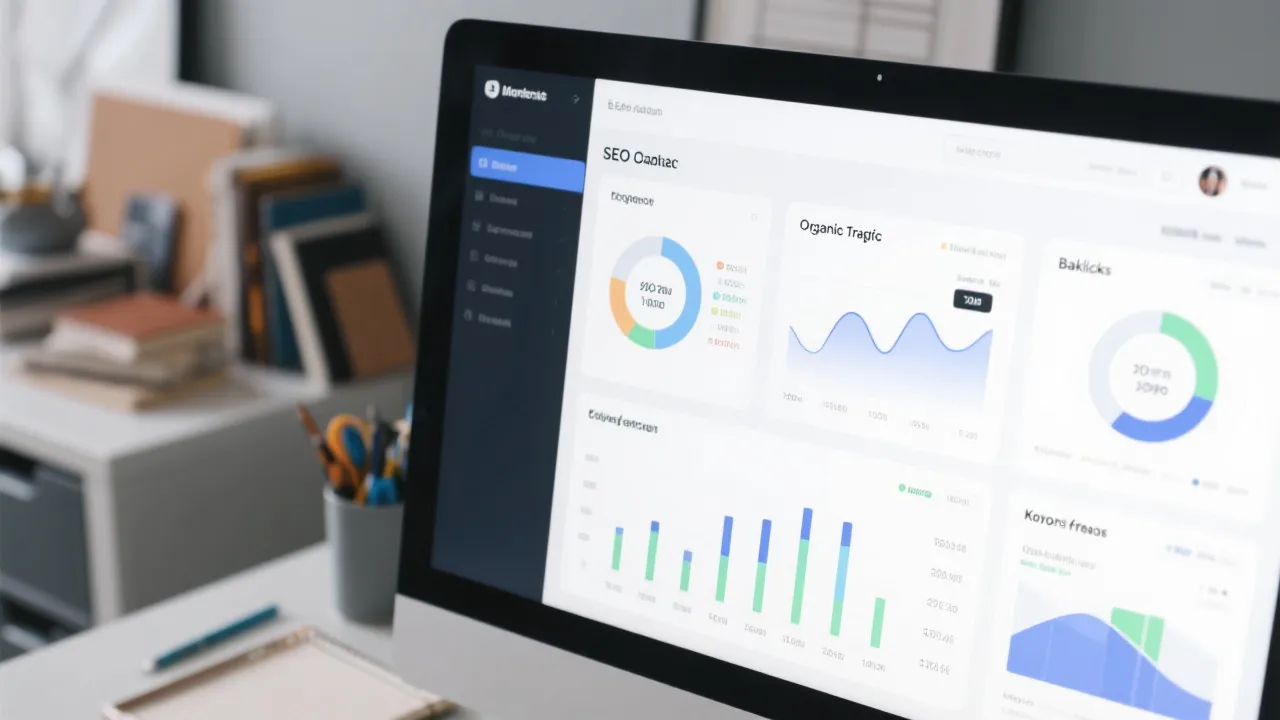
Beyond creation and distribution, AI Content Factories empower exporters to implement closed-loop content marketing. Comprehensive dashboards aggregate metrics across languages and channels—site traffic, search rankings, inquiry volume, and conversion ratios—allowing for agile adjustments based on data insights.
Real-world application show that adopting content lifecycle management enhanced lead conversion rates by an average of 35% and shortened the average inquiry-to-order cycle by 22%.
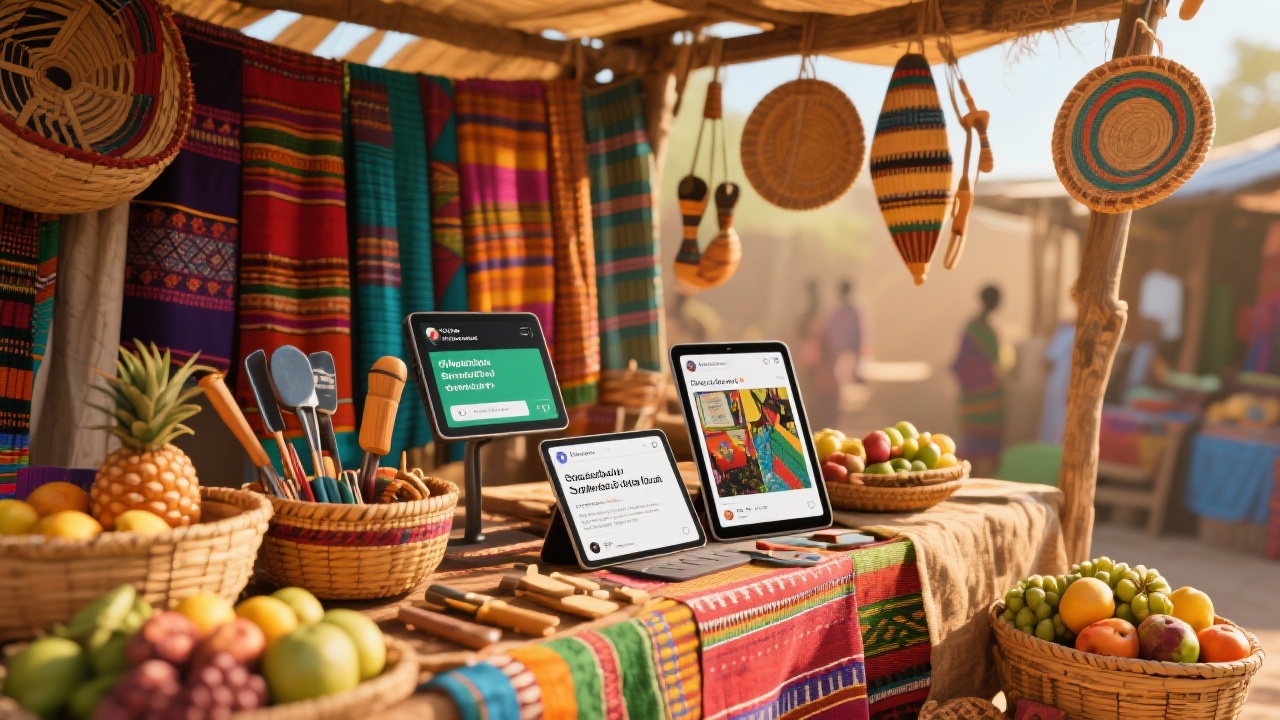
These intelligent content workflows align perfectly with the ‘Product → Audience → Channel’ framework, ensuring every piece of content strikes the right chord at the right stage of the buyer’s journey.
Case Spotlight: Multilingual Site Rollout Accelerating Global Growth
A leading industrial parts manufacturer recently leveraged an AI Content Factory to launch a 10-language site network within six weeks—down from the industry average of 16 weeks. Automated content updates linked to their product inventory data ensured real-time accuracy without manual interference. Localization coupled with targeted paid campaigns saw inquiry volume surge by 48% and conversion rates climb steadily over the third quarter.

.png?x-oss-process=image/resize,h_100,m_lfit/format,webp)
.png?x-oss-process=image/resize,h_100,m_lfit/format,webp)

.png?x-oss-process=image/resize,h_100,m_lfit/format,webp)
.png?x-oss-process=image/resize,h_100,m_lfit/format,webp)
.png?x-oss-process=image/resize,h_100,m_lfit/format,webp)
.png?x-oss-process=image/resize,h_100,m_lfit/format,webp)
