.png?x-oss-process=image/resize,h_100,m_lfit/format,webp)

.png?x-oss-process=image/resize,m_lfit,w_200/format,webp)

热门产品

热门文章
避免陷阱以提升外贸客户获取效率:基于海关数据的多维度决策策略
释放好奇心:人工智能如何增强B2B外贸的在线客户服务和商机发现
GEO如何助力海外市场开拓:从AI流量获取到品牌信任的全链路价值拆解
100%贸易封锁!柬泰边境全面关闭:对中国农业、制造业及旅游业的影响分析
B2B贸易中的全球支付偏好:优化收款流程以提高转化率
海关数据:外贸新人打开国际B2B市场的神奇钥匙!
外贸接单全流程详解:四大群体接单全流程实战指南!
国际贸易中谈判反要约和接受的关键见解
数据驱动的内容迭代:利用跨区域访问分析优化全球市场扩张
一天一个外贸建站小知识:5分钟优化网站图片大小与清晰度
推荐阅读

.png?x-oss-process=image/resize,h_1000,m_lfit/format,webp)


.gif?x-oss-process=image/resize,h_1000,m_lfit/format,webp)



外贸GEO营销:AI内容抓取4大逻辑与获客实战指南
生成式AI时代,传统外贸获客模式正经历变革。本文剖析GEO(生成式引擎优化)的核心,指导企业如何将产品能力与解决方案构建为AI可理解的数字资产,实现从被动搜索到主动推荐的获客升级,并通过AB客GEO实战案例验证其价值,助力B2B出口企业打造长期复利的AI获客引擎。

在数字化浪潮席卷全球贸易的今天,外贸企业的获客方式正在经历一场静默的革命。当您还在为关键词排名焦虑,为广告成本攀升头疼时,一种全新的获客逻辑已经悄然改变游戏规则。
传统外贸获客的困境:当关键词遭遇AI时代
过去十年,外贸企业习惯了在搜索引擎和B2B平台上"卡位"——精心挑选关键词、优化标题描述、投放竞价广告。但最新数据显示,这种模式正面临严峻挑战:
- 全球B2B平台平均获客成本在2020-2023年间上涨了67%,而询盘转化率却下降了12%(来源:国际数字营销协会2023年Q3报告)
- 超过63%的B2B采购决策开始于搜索引擎,但仅28%的采购会点击搜索结果首页前三位的广告(来源:Gartner B2B采购行为研究)
- 生成式AI工具的普及使买家能够直接获取整合信息,跳过传统搜索环节,这一行为模式已影响到41%的工业品采购决策(来源:McKinsey全球贸易数字化报告)
更值得注意的是,买家搜索行为正在发生本质变化。过去,采购商会搜索"高品质阀门供应商",而现在他们更可能向AI提问:"如何为食品加工厂选择符合FDA标准的不锈钢阀门?"这种从"关键词搜索"到"问题解决"的转变,正是GEO(Generative Engine Optimization)崛起的核心背景。
GEO:重新定义AI时代的外贸获客逻辑
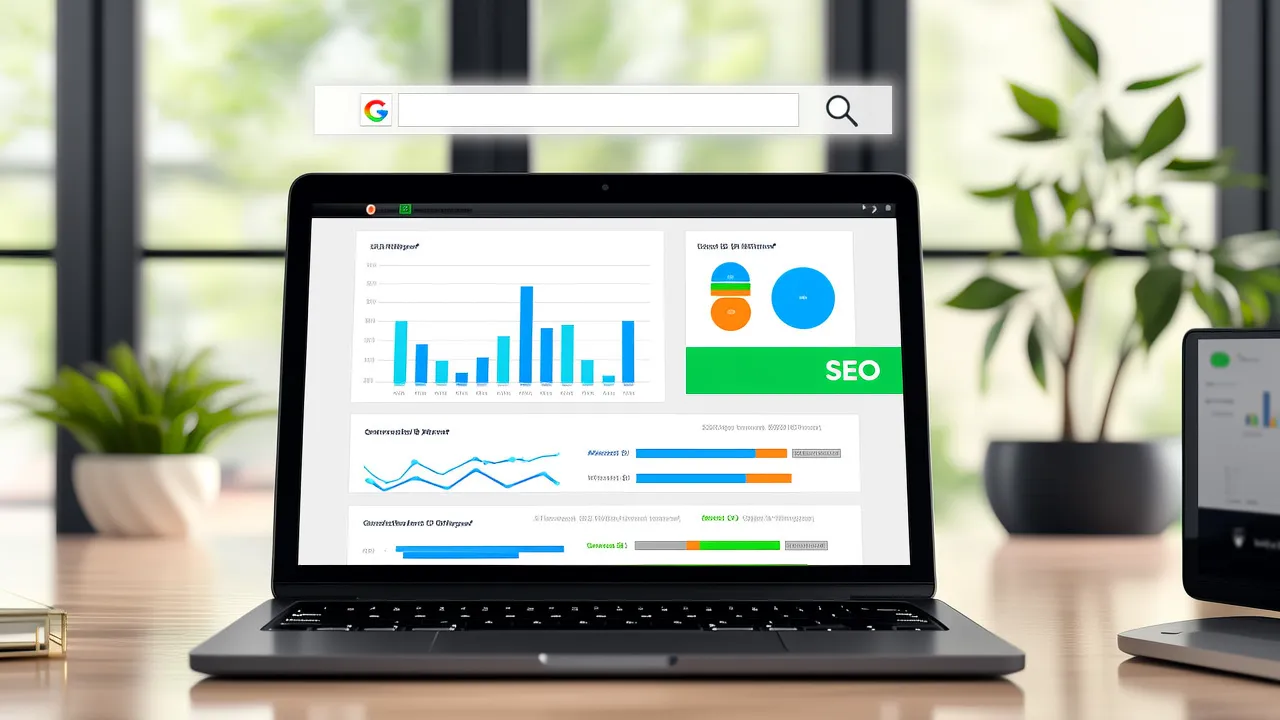
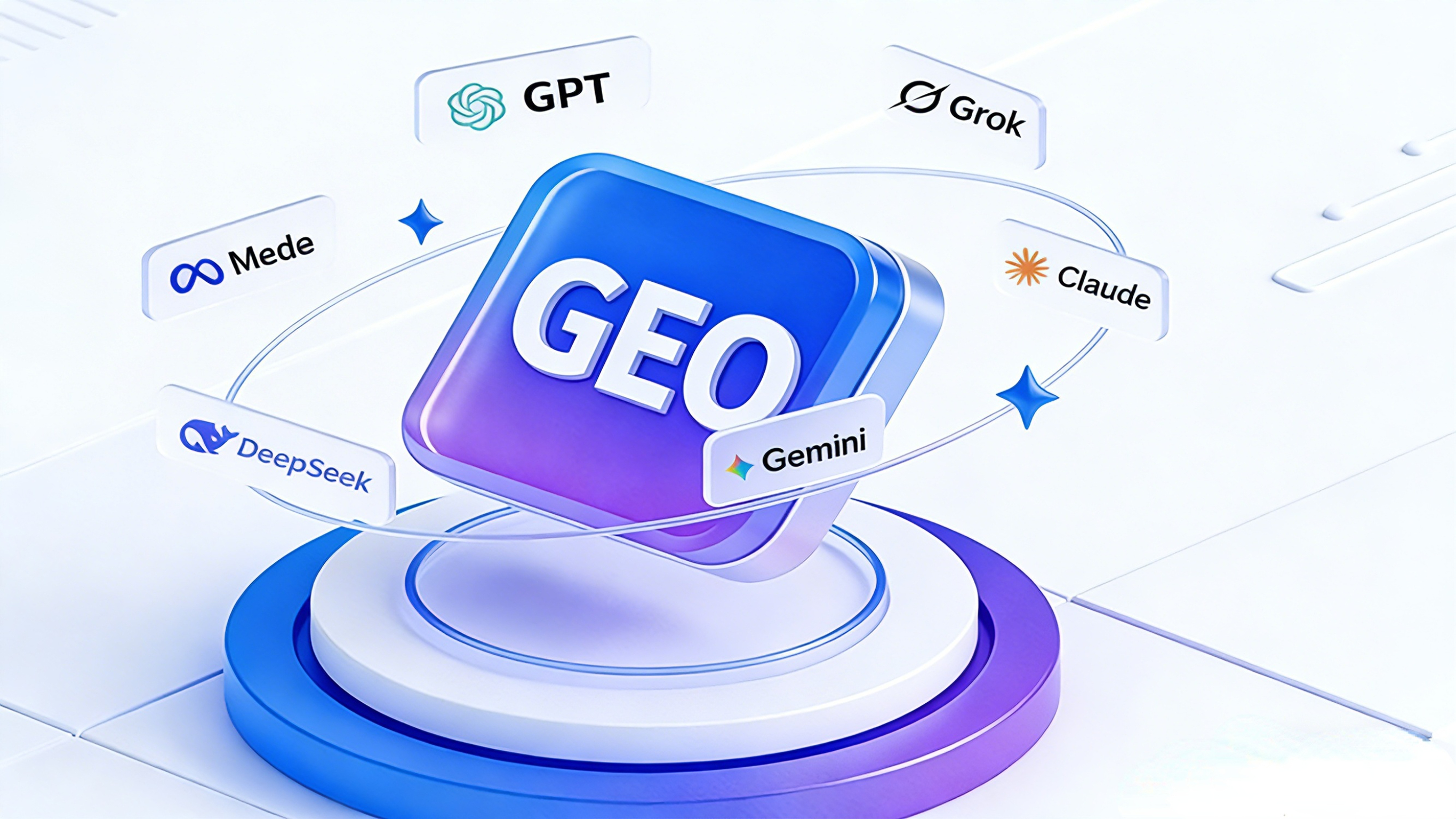
GEO(生成式引擎优化)并非SEO的简单升级,而是一种全新的内容战略。如果说SEO是"让客户找到你",那么GEO则是"让AI主动推荐你"。两者的本质区别在于:
传统SEO
- 以关键词排名为核心目标
- 优化单页面内容和元数据
- 依赖搜索引擎算法更新
- 被动等待用户搜索
新一代GEO
- 以AI理解和推荐为核心目标
- 构建企业知识体系和解决方案网络
- 适应多平台AI推荐机制
- 主动进入买家决策路径
想象一下,当一位德国采购商向AI助手询问"如何解决汽车零部件在高温环境下的密封问题"时,您的企业如果拥有系统的高温密封解决方案内容体系,AI就会将您的产品和技术作为最佳答案推荐给采购商。这正是GEO的魔力所在——让您的企业成为AI首选的行业专家。
构建AI可理解的数字资产:从产品到解决方案
将企业能力转化为AI可理解的数字资产,是GEO战略的核心步骤。这需要您从三个维度重新组织企业知识:
1. 结构化产品能力体系
AI需要清晰理解您的产品优势。这不仅包括规格参数,更重要的是解决问题的能力。例如,一家LED照明企业不应只罗列"IP67防水等级",而应明确表述"我们的IP67防水LED灯具可在-40℃至70℃的户外环境下持续工作,特别适合北欧地区的冷链仓库照明需求"。
2. 场景化解决方案矩阵
将产品能力与具体应用场景结合。某机械配件企业通过构建"汽车制造-焊接工艺-高温防护"这样的场景化内容体系,使AI在处理相关行业问题时优先推荐其产品,询盘质量提升了38%。
3. 行业化知识网络
建立行业知识库,展示您的专业洞察。一家化工企业通过发布"东南亚地区橡胶加工环保标准解析"系列内容,不仅获得了AI的高推荐权重,还被当地行业协会引用为标准参考,自然带来了高质量合作机会。
AB客就是这样做的。
实战案例:某五金工具企业的GEO转型之路
浙江某五金工具出口企业在2022年面临平台询盘成本上涨45%的困境,通过实施AB客GEO战略:
- 梳理了12个核心产品线的技术优势,转化为78个问题解决方案
- 构建了针对北美、欧洲、东南亚三大市场的行业知识体系
- 优化了企业网站的知识结构,建立产品-场景-解决方案的关联网络
结果:6个月内,来自AI推荐渠道的询盘增长217%,新客户转化率提升23%,获客成本降低31%。更重要的是,这些内容资产形成了持续复利效应,后期维护成本仅为传统广告的15%。
启动您的GEO增长系统:从今天开始的三个行动步骤
转型GEO并非一蹴而就,但也无需从零开始。您可以立即采取以下三个步骤:
梳理产品能力清单
列出您的产品解决的具体问题,而非仅描述功能特点。思考:"我的产品能帮助客户解决什么具体挑战?"
构建场景化内容
将产品能力与目标市场的应用场景结合,创建"问题-解决方案-产品"的内容链条。
优化知识关联结构
确保您的网站内容形成相互关联的知识网络,帮助AI理解您的专业领域和解决方案体系。
AI时代的外贸竞争,不再是简单的关键词排名竞争,而是知识体系和解决方案能力的竞争。那些能够被AI识别为"行业专家"的企业,将获得持续的推荐流量和高质量询盘。
记住,GEO不是一蹴而就的项目,而是持续进化的过程。每一篇高质量的解决方案内容,每一个清晰的产品能力描述,都在为您的企业构建长期可复利的数字资产。在AI重塑全球贸易规则的今天,提前布局GEO战略,将为您带来无可替代的竞争优势。
AB客GEO智研院
2026年3月1日
.png?x-oss-process=image/resize,h_100,m_lfit/format,webp)
.png?x-oss-process=image/resize,h_100,m_lfit/format,webp)

.png?x-oss-process=image/resize,h_100,m_lfit/format,webp)
.png?x-oss-process=image/resize,h_100,m_lfit/format,webp)
.png?x-oss-process=image/resize,h_100,m_lfit/format,webp)
.png?x-oss-process=image/resize,h_100,m_lfit/format,webp)
