.png?x-oss-process=image/resize,h_100,m_lfit/format,webp)

.png?x-oss-process=image/resize,m_lfit,w_200/format,webp)

热门产品

热门文章
外贸SOHO客户跟进效率低?5大核心原因及高效解决方案解析
B2B出口合同中的常见陷阱:如何避免付款条件和交货时间表中代价高昂的错误
能否使用我方指定的包装方式?
“1+AI”外贸新营销模式:行业降本增效新趋势
小白必读!外贸网站SEO优化保姆级教程(Google收录+关键词实操)
应对国际贸易中的运输风险:实用策略与保险洞察
外贸B2B全行业指南:消费品行业为什么一定要做独立站?
行业研究:AB客1+AI模式下降低外贸B2B询盘成本的策略分析!
数据驱动的内容迭代:利用跨区域访问分析优化全球市场扩张
智能网站解决方案对比:突破传统SaaS局限性,助力全球电子商务
推荐阅读






How to Build a Professional and Authoritative Image with Technical Whitepapers in the AI-Driven Procurement Chain: A Must-Read for Foreign Trade Enterprises
This article delves into how foreign trade enterprises can establish a professional and authoritative image and enhance global buyers' trust through technical whitepapers and a unified brand information architecture in the context of an AI-driven procurement chain. It covers aspects from domain name unification, social media tone, to multilingual localization content strategies and SEO optimization, guiding enterprises to build strong trust signals in digital procurement decisions and effectively promote brand awareness and business growth.

The Underlying Logic of Brand Trust
In the era of AI-driven procurement chains, building brand trust is the cornerstone for foreign trade enterprises to succeed in the global market. According to a recent survey, 85% of global buyers are more likely to do business with brands they trust. Brand consistency and content professionalism are two core elements in establishing this trust.
Brand consistency means presenting a unified image across all channels, including domain names, social media, and industry directories. When a buyer sees the same brand information everywhere, it creates a sense of reliability. Content professionalism, on the other hand, is about providing high - quality, accurate, and in - depth information that showcases the company's expertise.

Information Synchronization Mechanisms
The synchronization of information across different platforms is crucial. For example, the domain name should be consistent with the brand name and easy to remember. A study shows that 70% of buyers are more likely to visit a website with a simple and relevant domain name. Social media profiles should also mirror the brand's official website in terms of logo, color scheme, and brand message.
News releases and entries in industry directories should contain the same core brand information. This consistency helps search engines better understand the brand and improves its search rankings. In fact, consistent brand information can increase organic search traffic by up to 30%.
Designing Authoritative Content Modules
To enhance professionalism, foreign trade enterprises should focus on creating authoritative content modules. Case studies are a powerful tool as they demonstrate real - world applications of the company's products or services. According to industry data, 63% of buyers find case studies very influential in their purchasing decisions.
Technical whitepapers are another key element. They provide in - depth technical analysis, research findings, and solutions. A well - written technical whitepaper can position the company as an industry expert. Additionally, multi - language customer testimonial videos can add a human touch and build trust, especially in non - English markets.

Multi - language Content Strategies for Non - English Markets
Cultural differences play a significant role in non - English markets. Different countries have different communication styles, values, and business etiquettes. Therefore, a one - size - fits - all content strategy won't work. Enterprises need to produce and manage multi - language content that respects local cultures.
For example, in some Asian markets, a more indirect and relationship - oriented communication style is preferred, while in European markets, a more direct and data - driven approach may be more effective. By localizing content, companies can increase their market penetration. Research indicates that 72% of consumers are more likely to buy products when the content is in their native language.
Optimizing SEO with AI Procurement Behavior Data
AI procurement behavior data can be a goldmine for SEO optimization. By analyzing what keywords buyers use during the procurement process, companies can optimize their website content and improve search rankings. For instance, if data shows that a particular long - tail keyword related to the product is frequently searched, the company can incorporate it into their web pages, blog posts, and meta - descriptions.
Cross - platform brand visual unity is also important for SEO. Search engines take into account the overall user experience, and a consistent visual identity across platforms can improve user engagement and reduce bounce rates. A unified brand visual can increase user retention by 20%.
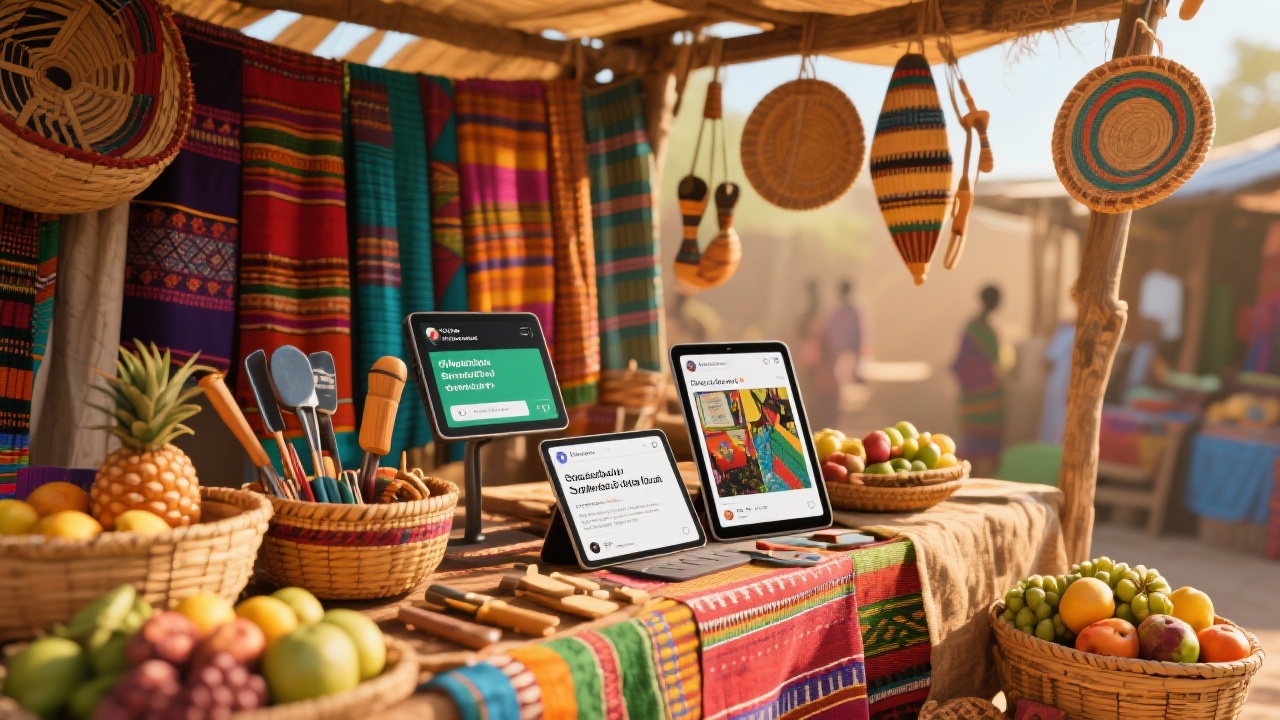
Customer Interaction and Feedback Mechanisms
Establishing customer interaction and feedback mechanisms is essential for building trust and loyalty. By providing multiple channels for customers to communicate, such as email, phone, and social media, companies can respond to inquiries promptly. A study shows that 80% of customers expect a response within 24 hours, and a timely response can increase customer satisfaction by 35%.
Feedback from customers can also be used to improve products, services, and content. By listening to customers' opinions, companies can continuously optimize their offerings and better meet market needs.
Practical Tips for Content Management
Regularly updating content is important to keep the brand relevant and fresh. Search engines favor websites with updated content, and fresh content can also attract more visitors. Data shows that websites that update their content weekly can see a 20% increase in organic traffic.
Data - driven optimization means using analytics tools to measure the performance of content and make adjustments accordingly. For example, if a particular blog post has a high bounce rate, the company can analyze the content and make improvements. Precise content distribution ensures that the right content reaches the right audience at the right time.
Ready to establish a professional and authoritative brand image in the AI - driven procurement chain? Click here to learn more!
.png?x-oss-process=image/resize,h_100,m_lfit/format,webp)
.png?x-oss-process=image/resize,h_100,m_lfit/format,webp)

.png?x-oss-process=image/resize,h_100,m_lfit/format,webp)
.png?x-oss-process=image/resize,h_100,m_lfit/format,webp)
.png?x-oss-process=image/resize,h_100,m_lfit/format,webp)
.png?x-oss-process=image/resize,h_100,m_lfit/format,webp)
