.png?x-oss-process=image/resize,h_100,m_lfit/format,webp)

.png?x-oss-process=image/resize,m_lfit,w_200/format,webp)

热门产品

Popular articles
Recommended High - efficiency Customer Development Channels and LinkedIn Sales Navigator Usage Tips
Step-by-Step Guide to Import and Export Customs Clearance: From Documentation to Final Release
Using intelligent marketing platforms to achieve accurate customer profiling in global B2B trade: practical strategies to improve customer matching
Practical operational issues and coping strategies in the foreign trade industry
Boosting Foreign Trade SOHO Client Follow-Up Efficiency: Practical Tools & Step-by-Step Guide
Unlock the Secrets of Automated SEO: 5 Essential Tools to Boost Your International Trade Website Traffic!
Build a Foreign Trade Independent Website: A Comprehensive Step-by-Step Guide
Newcomer's Guide to Choosing the Right Payment Method for B2B Exports: When and How to Use WeChat Pay Internationally
Recommended Reading






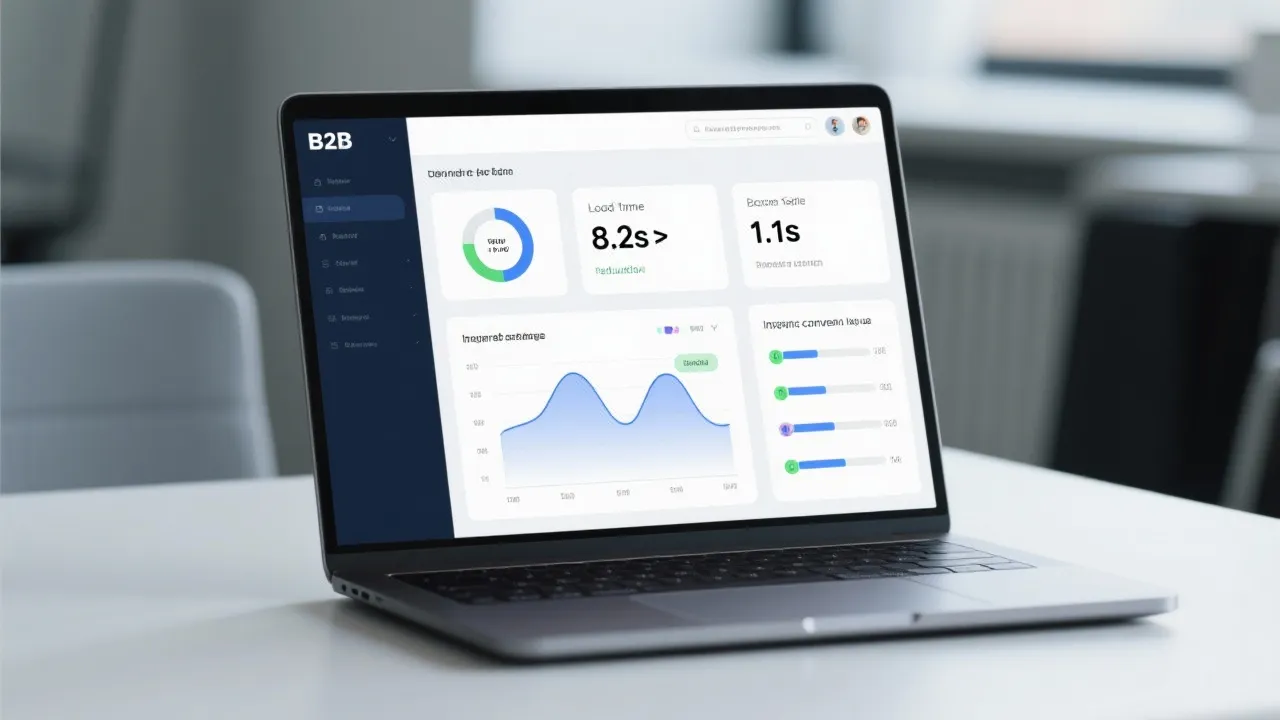


AI赋能外贸SEO:竞品分析快速锁定高价值长尾关键词实战指南
在外贸领域,流量稀缺与转化低是许多企业面临的核心难题。本文聚焦如何借助AI竞品分析工具,高效发掘低竞争、高转化的长尾关键词,结合智能建站平台自动优化网站结构与移动端体验,助你实现Google自然排名的稳步提升。通过三步执行策略,告别无效投入,用AI让每一页都为你赚钱,打造全球客户首选的外贸官网入口。

How AI-Powered Competitor Analysis Unlocks High-Impact Long-Tail Keywords for Your B2B Export SEO
In today’s fiercely competitive global trade arena, driving qualified traffic to your export website is no longer just about short, generic keywords. If you’re struggling with low site visits and dismal conversion rates, it’s time to leverage AI-powered competitor analysis to identify the right long-tail keywords that will truly convert — without draining your marketing budget.
Why Traditional SEO Strategies Leave Your Export Site Invisible
Many export companies still rely on broad target keywords like “industrial valves” or “packaging equipment” which are overcrowded and extremely competitive. Consequently, your site gets buried behind bigger players with a larger SEO budget. This not only limits your Google ranking but inflates your customer acquisition costs.
Here’s the core pain you recognize:
- Minimal organic search traffic from international buyers actively looking for niche solutions.
- Low conversion rates as visitors land on generic pages with poor relevance.
- High ad spends chasing overly popular keywords that fail to deliver profitable leads.
Step 1: Using AI Competitor Analysis to Extract High-Potential Long-Tail Keywords
Instead of guessing which keywords matter, AI competitor analysis tools scan top-ranking rival export sites and surface:
- Long-tail keywords with notable search volume but comparatively low keyword difficulty scores.
- Buyer intent signals from query patterns that indicate readiness to purchase rather than casual browsing.
- Gaps in competitor content where your site can uniquely serve unmet needs.
The process involves feeding competitor domains into AI-powered platforms like SEMrush or Ahrefs, which use machine learning to rank keywords by opportunity score—balancing volume, difficulty, and conversion likelihood.
For example, instead of the watered-down “industrial valve,” uncover niche gems such as “stainless steel butterfly valve supplier for food processing” — less searched but with stronger purchase intent and lower competition.
Step 2: Leveraging Intelligent Website Builders for Automated SEO & Mobile Optimization
With AI-curated keywords in hand, how do you embed them effectively across your export website without tedious manual edits?
Modern smart website platforms automatically:
- Optimize page architecture by creating clean, hierarchical URL structures that emphasize keyword clustering.
- Generate semantic HTML tags (H1, H2, meta descriptions) tailored to highlight your target long-tail keywords naturally.
- Ensure mobile responsiveness, crucial for Google’s mobile-first indexing, by adapting layout and site speed dynamically.
Try this now: Test your site’s mobile optimization with Google’s Mobile-Friendly Test tool. If it scores below 85%, you’re likely missing out on ranking boosts and mobile visitor conversions.

Step 3: Monitor Real Buyer Behavior and Refine Your Keyword Strategy Monthly
Deploy industry-standard analytics tools like Google Search Console combined with GA4 to:
- Track which long-tail keywords are driving impressions, clicks, and meaningful onsite engagement.
- Identify pages with high bounce rates signaling poor keyword targeting or content mismatch.
- Apply data-driven adjustments such as refreshing content, optimizing internal links, or refining meta tags.
Maintain a Keyword Health Checklist every month:
| Task | Metric to Check | Frequency |
|---|---|---|
| Keyword Ranking Position | Google SERP position per keyword | Monthly |
| Click-Through Rate (CTR) | CTR % on Google Search Console | Monthly |
| Bounce Rate | Page-specific bounce rate in GA4 | Monthly |
| Content Freshness | Date of last content update | Quarterly |

Common Pitfalls to Avoid in Long-Tail Keyword SEO
- Overstuffing Keywords: Don’t cram keywords unnaturally; AI tools guide natural usage to improve readability and ranking.
- Ignoring Mobile Experience: Mobile friendliness is now a ranking factor globally—skip it and you risk losing half your potential audience.
- Setting and Forgetting: SEO is dynamic—regularly refresh content based on real data rather than relying on a “set it and forget it” mindset.
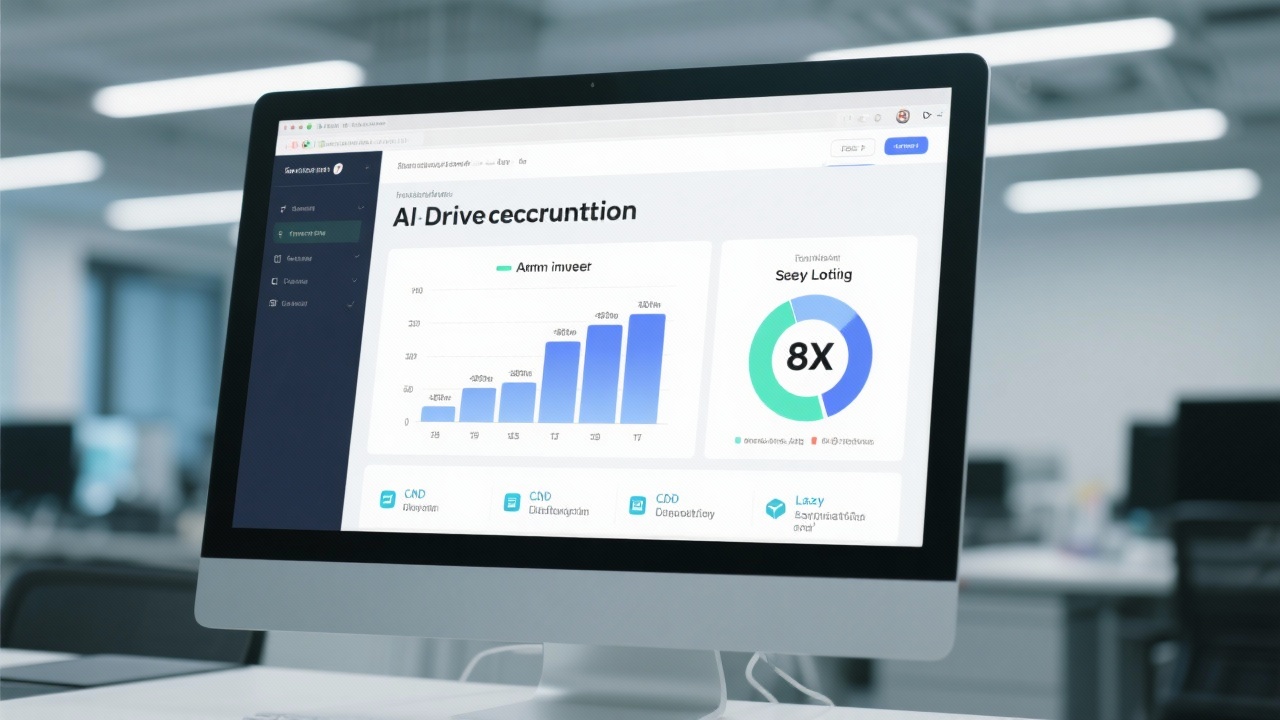
Every foreign trade website deserves to be found by the right buyers at the right moment. By marrying AI’s precision in competitor keyword analysis with intelligent website optimization and consistent performance monitoring, you can transform your export site into a reliable global lead generation engine.
Stop guessing and start profiting: Unlock Your Export Website’s SEO Potential with AI Today
.png?x-oss-process=image/resize,h_100,m_lfit/format,webp)
.png?x-oss-process=image/resize,h_100,m_lfit/format,webp)

.png?x-oss-process=image/resize,h_100,m_lfit/format,webp)
.png?x-oss-process=image/resize,h_100,m_lfit/format,webp)
.png?x-oss-process=image/resize,h_100,m_lfit/format,webp)
.png?x-oss-process=image/resize,h_100,m_lfit/format,webp)
