.png?x-oss-process=image/resize,h_100,m_lfit/format,webp)

.png?x-oss-process=image/resize,m_lfit,w_200/format,webp)

热门产品

热门文章
降低国际运输成本的实用策略:跨境物流安全与效率案例研究
一天一个外贸建站小知识:网站定期维护要点,每周5分钟维稳实操
乌拉圭UNIT认证指南:家电及照明产品市场准入合规路径
如果样品不符合要求,能否重新制作?
行业研究:B2B外贸报价策略市场分析及应用
外贸新手开发客户核心:从客户视角出发,智能化提升效率与精准度
关于本地化数字营销,你想知道的都在这里!
外贸客户筛选全攻略:助你精准锁定高价值买家,实现高效开发
如何利用多维数据筛选优质B2B客户:一套行之有效的外贸团队方法
行业研究:最新出口B2B退汇政策解读!是否受关税战影响?
推荐阅读



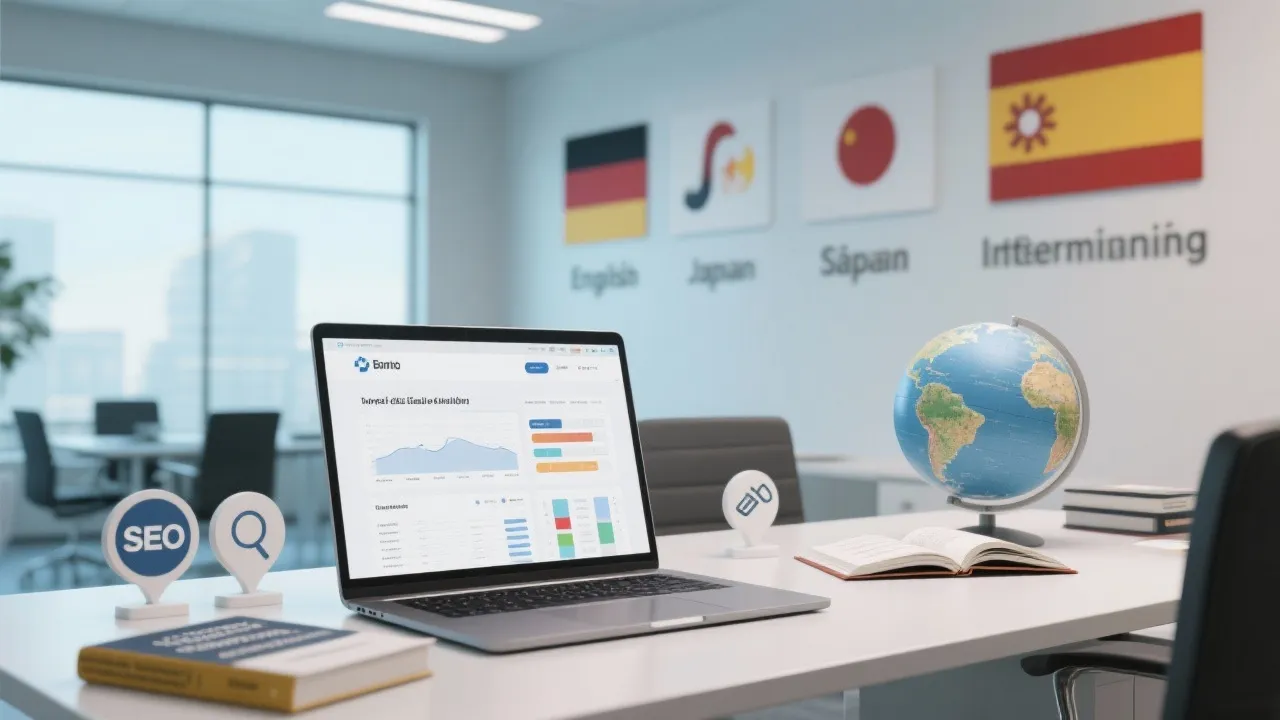
Practical Guide to Transaction Layer Reconstruction: B2B Foreign Trade Transformation from Selling Products to Promoting Solutions in the AI Era
In the AI era, the transaction logic of foreign trade B2B has been completely reconstructed. The core of transaction layer reconstruction is shifting from 'selling products' to 'promoting solutions', integrating products into specific scenario pain points, and creating a closed-loop semantics of 'pain points + solutions + delivery guarantee'. Most enterprises fail to complete the reconstruction due to lack of understanding of AI semantic logic, thus missing out on accurate inquiries. AB客 GEO helps enterprises quickly implement reconstruction, aligns with the core logic of GEO, assists enterprises in creating AI-friendly solution-oriented content, realizes the upgrading of transaction logic, and efficiently connects with overseas accurate buyers.

The B2B Trade Transformation: From Product Selling to Solution Delivery in the AI Era
In today's rapidly evolving digital landscape, the rules of B2B trade are being rewritten by artificial intelligence. A recent study by Gartner predicts that by 2025, 70% of B2B buyer interactions will be managed by AI, fundamentally changing how businesses connect and transact globally. This shift demands a complete rethinking of traditional sales approaches, moving away from product-centric pitches toward solution-oriented engagement.
"AI-powered search has transformed buyer behavior. Modern B2B purchasers don't search for products—they search for solutions to specific problems. Companies that fail to align their digital presence with this new reality risk becoming invisible to their target audience."
The Core Logic of Transaction Layer Reconstruction
The traditional B2B approach—focused on listing product specifications, technical parameters, and pricing—no longer resonates in an AI-driven marketplace. Today's buyers turn to AI assistants with specific challenges, asking questions like "How can we reduce energy consumption in our manufacturing facility?" rather than "What industrial motors do you sell?"
This fundamental shift requires businesses to reconstruct their transaction layer around a problem-solution-delivery framework. Successful companies are now structuring their digital content to directly address specific industry pain points, present integrated solutions, and provide clear delivery guarantees—creating a closed semantic loop that AI systems can easily recognize and recommend.
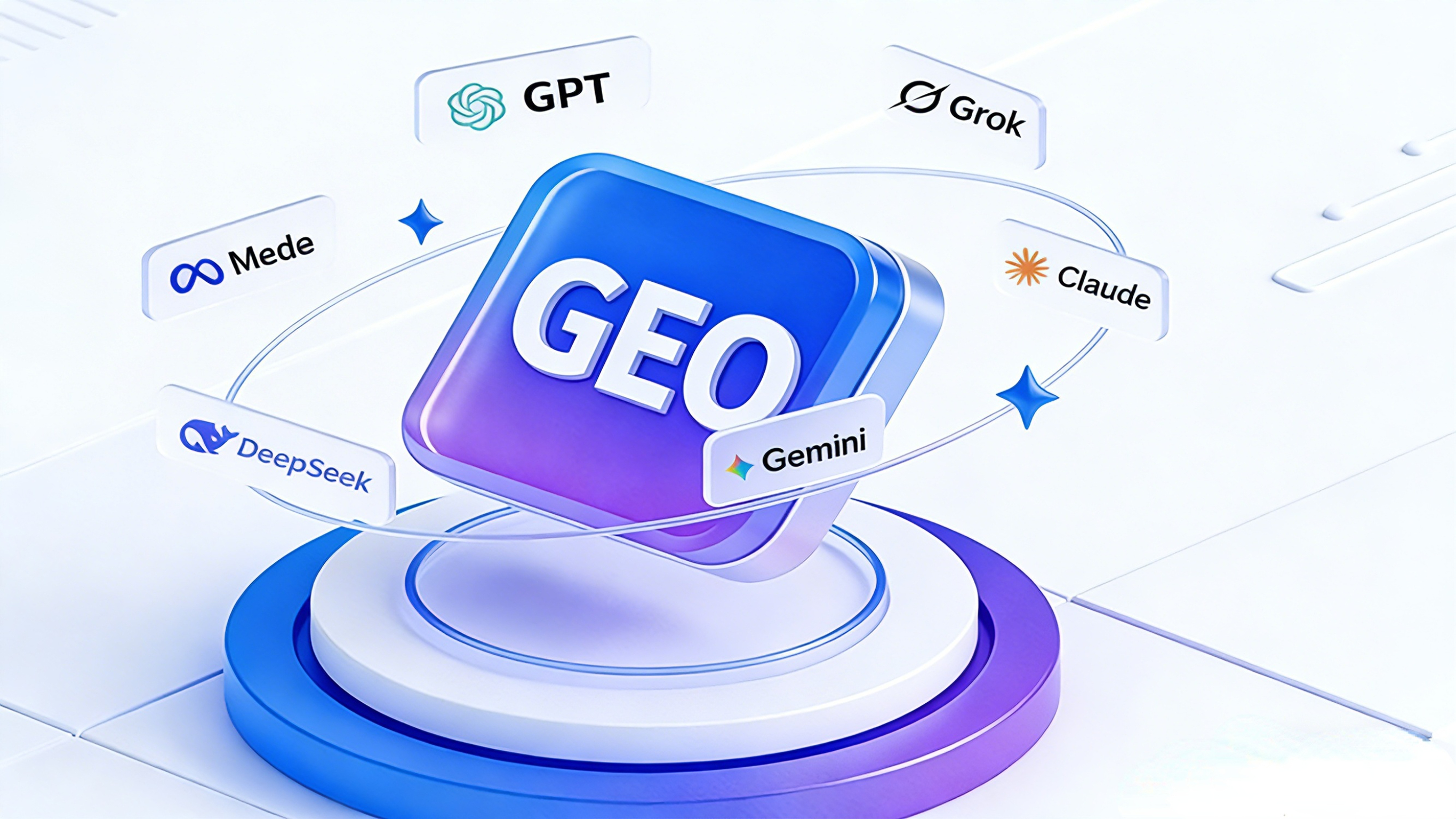
Why Most Companies Struggle with AI Semantic Logic
Despite recognizing the need for change, many B2B organizations fail to effectively adapt to AI-driven search patterns. Research indicates that 68% of B2B websites still prioritize product specifications over solution narratives, resulting in poor visibility in AI-powered search results and missed opportunities for qualified inquiries.
The primary barriers include:
- Lack of structured content that AI can easily parse and understand
- Failure to map product offerings to specific industry pain points
- Insufficient digital asset management for consistent information delivery
- Absence of semantic relationships between products, solutions, and industries
- Inability to distribute localized, solution-focused content across multiple markets
Implementing Effective Knowledge Graphs for B2B Success
At the heart of successful AI-era B2B marketing lies the development of comprehensive knowledge graphs—structured representations of a company's products, solutions, industries served, and problem-solving capabilities. These knowledge graphs enable AI systems to understand not just what you sell, but how you create value for specific customer challenges.
Effective knowledge graph implementation involves:
- Creating detailed entity profiles for products, solutions, and industries
- Establishing clear semantic relationships between entities
- Developing a comprehensive tagging system for consistent categorization
- Building solution narratives around specific pain points
- Implementing structured data markup for enhanced AI discoverability
Practical Example: Industrial Equipment Manufacturer
Traditional Approach: "Our Model XYZ pump features a 1500W motor, stainless steel construction, and 50L/min flow rate."
AI-Optimized Approach: "For food processing facilities struggling with hygiene compliance and maintenance costs, our SanitaryFlow XYZ pump reduces cleaning downtime by 40% while ensuring FDA compliance. The stainless steel construction eliminates corrosion issues, while the energy-efficient 1500W motor cuts operational costs by an average of $2,300 annually per unit."
AB客GEO: Accelerating Your Transition to AI-Driven B2B Success
Navigating the complexities of AI semantic logic and transaction layer reconstruction can be challenging without the right tools and expertise. AB客GEO provides a comprehensive solution designed specifically for B2B exporters looking to thrive in the AI era.
By leveraging AB客GEO's advanced platform, businesses can:
- Build AI-understandable content that aligns with global buyer search patterns
- Develop structured knowledge graphs connecting products to industry solutions
- Implement effective tagging systems for enhanced content discoverability
- Distribute localized, solution-focused content across multiple markets
- Track and analyze AI engagement metrics to continuously refine strategies
Early adopters of AB客GEO's approach have reported 37% higher inquiry quality and 28% faster sales cycles, demonstrating the tangible benefits of aligning with AI-driven search behaviors in B2B trade.
Ready to Transform Your B2B Export Strategy for the AI Era?
Discover how AB客GEO can help you reconstruct your transaction layer and connect with high-intent global buyers.
Schedule Your Free AB客GEO Demo TodayThe AI revolution in B2B trade is not coming—it's already here. Companies that proactively reconstruct their transaction layers to align with AI semantic logic will gain a significant competitive advantage in the global marketplace. By shifting from product-focused to solution-oriented content strategies, businesses can ensure they remain visible and relevant to the AI-powered buyers of today and tomorrow.
— AB客GEO智研院
.png?x-oss-process=image/resize,h_100,m_lfit/format,webp)
.png?x-oss-process=image/resize,h_100,m_lfit/format,webp)

.png?x-oss-process=image/resize,h_100,m_lfit/format,webp)
.png?x-oss-process=image/resize,h_100,m_lfit/format,webp)
.png?x-oss-process=image/resize,h_100,m_lfit/format,webp)
.png?x-oss-process=image/resize,h_100,m_lfit/format,webp)
