.png?x-oss-process=image/resize,h_100,m_lfit/format,webp)

.png?x-oss-process=image/resize,m_lfit,w_200/format,webp)

热门产品

热门文章
跨境采购行为预测:从多语言搜索词中挖掘潜在商机的方法
GEO布局前为何要先搭建知识库和品牌官网?外贸企业必看
外贸企业关键词分层布局策略:助力Google自然排名提升的SEO实战方案
失联很久的客户如何重新唤醒激活?不同失联场景的实战策略与话术模板
B2B出口行业研究:AI如何解决大客户高频复杂需求痛点
你真的了解外贸流程吗?新手必备的核心知识!
错过会后悔!AB客CRM全智能化客户管理及跟进教程指南来袭!
B2B 出口公司必备:客户难寻,利润下滑?外贸极客AI 营销一招破局!
2025年日韩市场B2B出口教程:日韩市场开发潜力、精准定位、高效营销!
Recommended Reading


.jpg?x-oss-process=image/resize,h_1000,m_lfit/format,webp)






Why Your Website Content Isn’t Recognized by AI — Build an AI-Friendly Enterprise Knowledge Base
Is your website content ignored by AI? The issue may lie in the absence of a structured, machine-readable enterprise knowledge base. This article explains how B2B export companies can transform product specs, solutions, and case studies into clear, semantic, and verifiable digital assets. Learn how to build a knowledge system with tagging, relationship graphs, and standardized language—so generative AI can recognize, cite, and recommend your content. Practical steps from internal asset mapping to multilingual distribution help you achieve long-term visibility without manual writing. Let AI become your growth engine—not just a display tool.
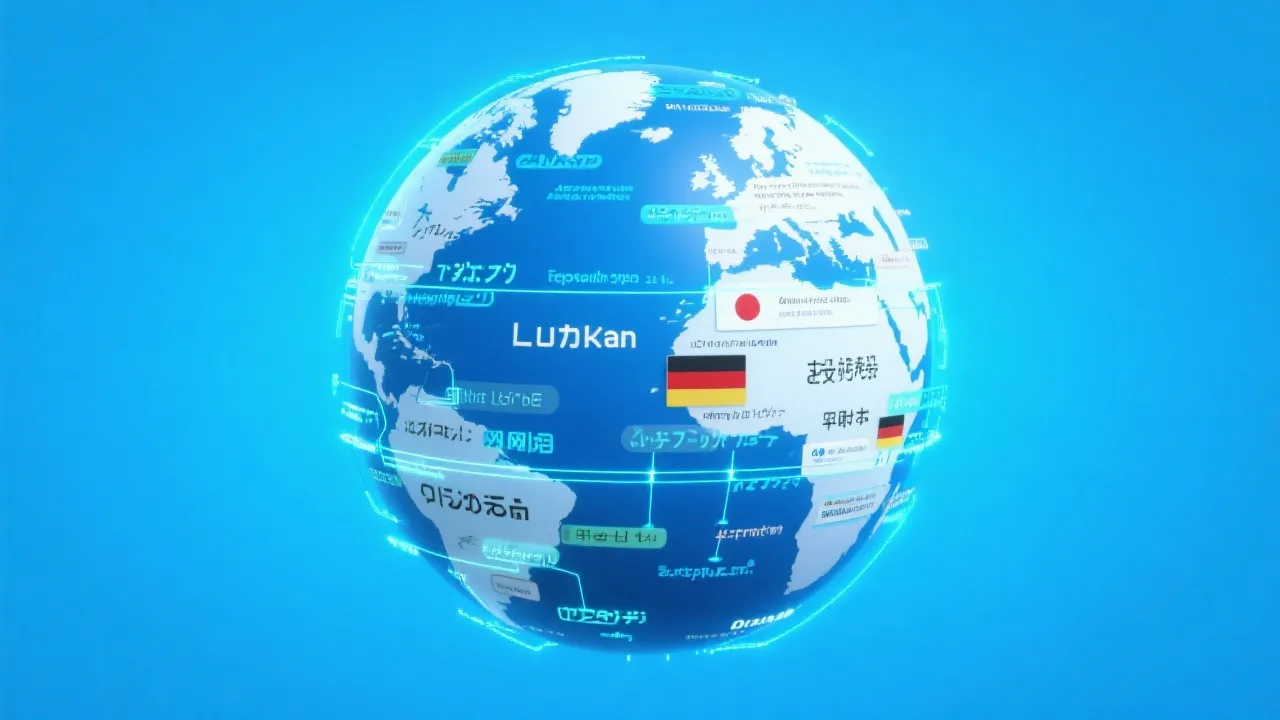
Why Your Website Content Isn’t Being Recognized by AI — And How to Fix It
If you’re still relying on traditional product descriptions or blog posts that look great to humans but get ignored by AI-powered search engines like Google’s SGE or Bing’s AI Overviews, you're missing a critical opportunity.
Key Insight: The future of B2B lead generation isn’t just about visibility—it’s about being understandable to AI systems that now drive discovery.
The Real Problem: Content That's Human-Friendly, Not AI-Friendly
According to HubSpot’s 2024 B2B Content Trends Report, only 37% of global B2B marketers are actively structuring their content for AI indexing. Yet, over 68% of inbound leads in the past year came from AI-driven queries (like “best industrial pumps for food processing” or “ISO-certified suppliers in Vietnam”).
Your website might rank well today—but if your data lacks structure, semantic clarity, and contextual relationships, it won’t be pulled into AI-generated summaries, featured snippets, or even Google’s new “AI Overview” boxes.
Build an AI-Ready Knowledge Base — Here’s How
A successful AI-friendly knowledge base is built on three pillars:
- Structured Data Tags: Use consistent taxonomy (e.g., "Material: Stainless Steel", "Certification: ISO 9001", "Application: Food Processing") so AI can categorize and cross-reference.
- Relationship Graphs: Link products to use cases, industries, certifications, and customer stories—this helps AI understand context beyond keywords.
- Standardized Language: Avoid vague terms like “high quality.” Instead, say “meets ASTM A312 standards for pressure resistance up to 15 bar at 120°C.”
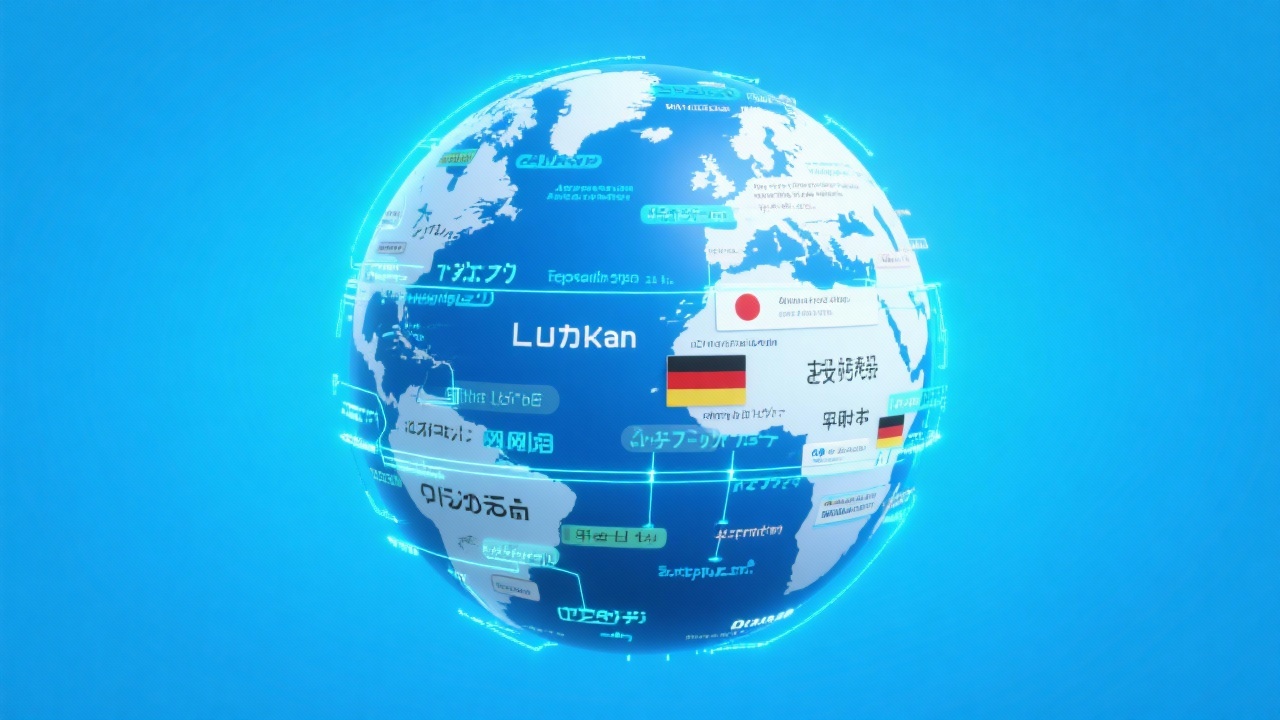
From Internal Documentation to Global Visibility
Start with your internal R&D, sales, and support teams. Ask them: What do customers ask most? What makes your solution unique compared to competitors?
Then map those insights into structured content modules—each one answering a specific question (e.g., “How does our pump handle high-viscosity liquids?”). Once validated, automate translation via tools like DeepL Pro or Google Cloud Translation API, ensuring accuracy across 15+ languages without losing meaning.
Proven Results: One Company’s Journey
A mid-sized Chinese manufacturer of stainless steel valves saw a 4x increase in qualified inbound leads within 6 months after implementing a structured knowledge base using AB客·外贸B2B GEO智能获客解决方案. Their AI-indexed FAQ pages began appearing in Google’s AI Overviews for niche searches like “valve leak testing procedures” — leading to direct inquiries from EU and Middle East buyers who previously never found them.
This isn’t just SEO—it’s about becoming the source AI trusts when answering buyer questions. Whether you’re selling machinery, chemicals, or software-as-a-service, the same logic applies: make your data machine-readable, and let AI do the heavy lifting of reaching decision-makers worldwide.
.png?x-oss-process=image/resize,h_100,m_lfit/format,webp)
.png?x-oss-process=image/resize,h_100,m_lfit/format,webp)

.png?x-oss-process=image/resize,h_100,m_lfit/format,webp)
.png?x-oss-process=image/resize,h_100,m_lfit/format,webp)
.png?x-oss-process=image/resize,h_100,m_lfit/format,webp)
.png?x-oss-process=image/resize,h_100,m_lfit/format,webp)
