.png?x-oss-process=image/resize,h_100,m_lfit/format,webp)

.png?x-oss-process=image/resize,m_lfit,w_200/format,webp)

热门产品

Popular articles
How to follow up with foreign trade customers who always don’t reply or respond? 20 high-frequency scenarios practical guide!
Prevent Multilingual SEO Dilution: Global Site Structure and hreflang Implementation for Export B2B Websites
Big news! my country implements zero tariffs on 100% of products from the Republic of Congo! A complete guide to market development in the Republic of Congo!
Which Long-Tail Keywords Drive High-Quality Inquiries in the Global B2B Market? A Competitive Analysis Case Study
Cambodia-Thailand Border Closure: Impact on Key Chinese Industries
Unveiling Arabic Search Habits: Why Your Ads Have Low Click - Through Rates in the Middle East Market?
How to Enhance Overseas Buyers' Trust through Unified Brand Information Architecture: A Comprehensive Analysis of B2B Independent Website Content Strategies
B2B Foreign Trade Content Strategy: Methodology for Hierarchical Content Design of Chemical Products Based on User Journey
Recommended Reading


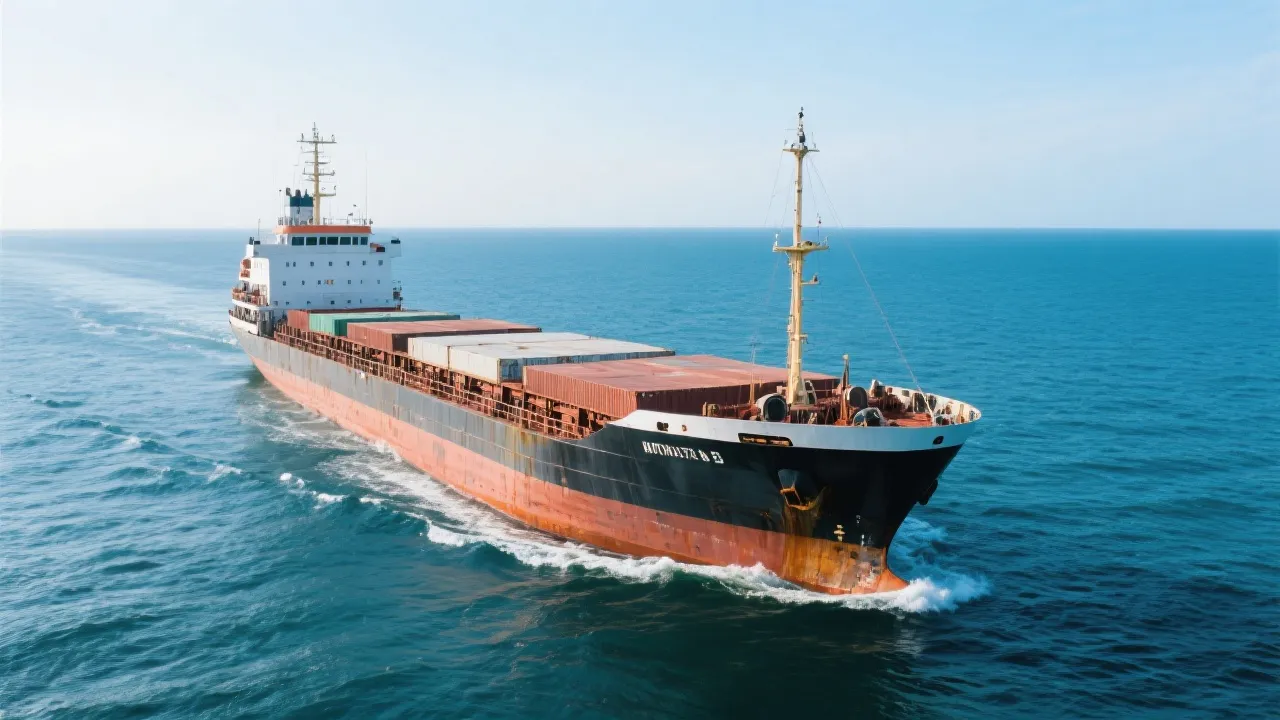


AI-Powered Multilingual Product Descriptions for B2B Exporters: Boost SEO & Conversion Rates
This guide explores how B2B export enterprises can leverage AI to automatically generate multilingual product descriptions that align with user journeys and industry semantics. It details strategies for building a content system based on real semantics and user behavior analysis, enabling automated content production, continuous updates, and precise optimization. Discover how to rapidly establish multilingual independent websites, enhance local search visibility, and improve customer interaction efficiency, with a focus on implementing an effective AI-driven外贸B2B GEO解决方案.

In today's hyper-connected global marketplace, B2B exporters face the dual challenge of reaching diverse international audiences while maintaining consistent brand messaging and SEO performance across multiple languages. The traditional approach to multilingual content creation—relying on manual translation and generic product descriptions—often results in poor search visibility, low engagement, and missed conversion opportunities. However, recent advancements in artificial intelligence are revolutionizing how export-oriented businesses approach multilingual content strategy.
The Multilingual Content Paradox in Global B2B Trade
Research from Common Sense Advisory reveals that 76% of online consumers prefer to buy products with information in their native language, while 40% won't purchase from websites not in their language. For B2B buyers—who conduct extensive research before making purchasing decisions—this language preference becomes even more critical. Yet, a 2023 survey by Digital Commerce 360 found that only 29% of B2B companies have implemented a comprehensive multilingual content strategy, creating a significant competitive gap.
The challenge intensifies when considering SEO performance. Generic translations often fail to incorporate region-specific keywords, cultural nuances, and search behaviors, resulting in poor organic rankings. A study by SEMrush found that multilingual websites optimized with local SEO best practices achieve 72% higher click-through rates compared to those using basic translation services.
AI-Driven Content Generation: Transforming Multilingual SEO
Artificial intelligence is fundamentally changing the equation for multilingual B2B content creation. Unlike traditional translation tools that simply replace words from one language to another, advanced AI systems can understand context, industry-specific terminology, and regional search behaviors to produce content that resonates with both search engines and human readers.

The Semantic Advantage: Beyond Keyword Translation
Modern AI content platforms leverage semantic analysis to understand the intent behind search queries, allowing them to create content that addresses the specific needs and pain points of B2B buyers in different regions. This approach goes far beyond simple keyword matching, focusing instead on creating comprehensive, context-rich product descriptions that naturally incorporate relevant search terms while providing genuine value to readers.
For example, an industrial machinery exporter targeting the German market would need content that not only includes direct translations of product specifications but also incorporates the technical terminology and regulatory references that German engineers and procurement managers expect to see. AI systems trained on industry-specific data can recognize these nuances and produce content that feels native and authoritative.
Scalable Content Production Without Compromising Quality
One of the most significant advantages of AI-driven content generation is its scalability. A single product line can be adapted for multiple markets in a fraction of the time required for manual translation and localization. According to a case study by Deloitte, companies implementing AI content solutions for international markets reduced time-to-market for new product descriptions by an average of 68% while increasing organic traffic by 43% within the first six months.
Key Benefits of AI-Generated Multilingual Product Descriptions:
- Faster Market Entry: Launch localized content across multiple regions simultaneously
- Improved SEO Performance: Natural incorporation of region-specific keywords and search phrases
- Consistent Brand Messaging: Maintain brand voice and key selling points across all languages
- Reduced Costs: Lower expenses compared to traditional translation services and content creation
- Data-Driven Optimization: Continuous improvement based on performance metrics and user behavior
Implementing AI for Multilingual SEO: A Practical Framework
Successfully leveraging AI for multilingual product descriptions requires more than just selecting the right technology—it demands a strategic approach that aligns with your overall international marketing goals. Here's a step-by-step framework to guide implementation:
1. Market and Keyword Research
Begin by conducting thorough research into each target market's search behavior, industry terminology, and competitive landscape. AI-powered keyword research tools can help identify high-intent search terms and semantic variations that native speakers actually use. For B2B markets, this should include both transactional keywords (e.g., "industrial equipment suppliers") and informational keywords that address common pain points and questions.
2. Content Structure and Template Development
Develop standardized content templates that incorporate your key selling points, product specifications, and compliance information while allowing flexibility for regional customization. These templates serve as the foundation for AI-generated content, ensuring consistency across all product descriptions while enabling localization for specific markets.
3. AI-Powered Content Generation and Localization
Utilize advanced AI platforms that specialize in B2B content creation and multilingual optimization. Look for solutions that offer:
- Industry-specific language models trained on technical terminology
- Region-specific cultural and regulatory knowledge
- SEO optimization features tailored for each target market
- Integration with your existing CMS or e-commerce platform
4. Human Review and Quality Assurance
While AI can produce high-quality content, human oversight remains essential—especially for technical products and complex B2B offerings. Implement a review process that combines automated quality checks with expert review by native speakers who understand both the language and the industry.
5. Performance Tracking and Continuous Optimization
Implement analytics tools to track the performance of your multilingual content across different markets. Key metrics should include organic traffic, keyword rankings, time on page, bounce rate, and conversion rates. Use this data to identify opportunities for improvement and refine your AI content strategy over time.
From Content to Conversions: The Complete B2B Journey
Creating optimized multilingual product descriptions is just the first step in the B2B buyer journey. To maximize conversion rates, your content strategy should extend beyond product pages to include:
A comprehensive 外贸B2B GEO解决方案 should integrate AI-generated content with intelligent customer engagement tools to guide prospects through the decision-making process. This includes AI-powered chatbots that can communicate in multiple languages, personalized product recommendations based on browsing behavior, and automated follow-up sequences tailored to each prospect's stage in the buying cycle.
By combining AI-generated content with these conversion optimization strategies, B2B exporters can create a seamless experience that guides international prospects from initial awareness to final purchase, regardless of language barriers.
Ready to Transform Your Multilingual B2B Content Strategy?
Discover how AI-powered content generation can help you reach new international markets, improve SEO performance, and boost conversion rates.
Schedule Your AI Content Strategy ConsultationAs global markets become increasingly competitive, the ability to create high-quality, localized content at scale will be a defining factor in B2B export success. By embracing AI-driven content generation, companies can overcome traditional language barriers, improve search visibility, and connect with international buyers on a deeper level. The result is not just increased traffic, but higher-quality leads, improved conversion rates, and sustainable growth in global markets.
.png?x-oss-process=image/resize,h_100,m_lfit/format,webp)
.png?x-oss-process=image/resize,h_100,m_lfit/format,webp)

.png?x-oss-process=image/resize,h_100,m_lfit/format,webp)
.png?x-oss-process=image/resize,h_100,m_lfit/format,webp)
.png?x-oss-process=image/resize,h_100,m_lfit/format,webp)
.png?x-oss-process=image/resize,h_100,m_lfit/format,webp)
