.png?x-oss-process=image/resize,h_100,m_lfit/format,webp)

.png?x-oss-process=image/resize,m_lfit,w_200/format,webp)

热门产品

Popular articles
How to start a foreign trade soho? Foreign trade soho from 0 to 1: A practical guide (including templates, checklists, timelines and KPIs)
Industry Research: Analysis of the Advantages and Disadvantages of Mainstream Foreign Trade Customer Acquisition Channels
Technical GEO Optimization: Global Node Deployment & AI-Friendly Signals to Elevate B2B Export Site Authority
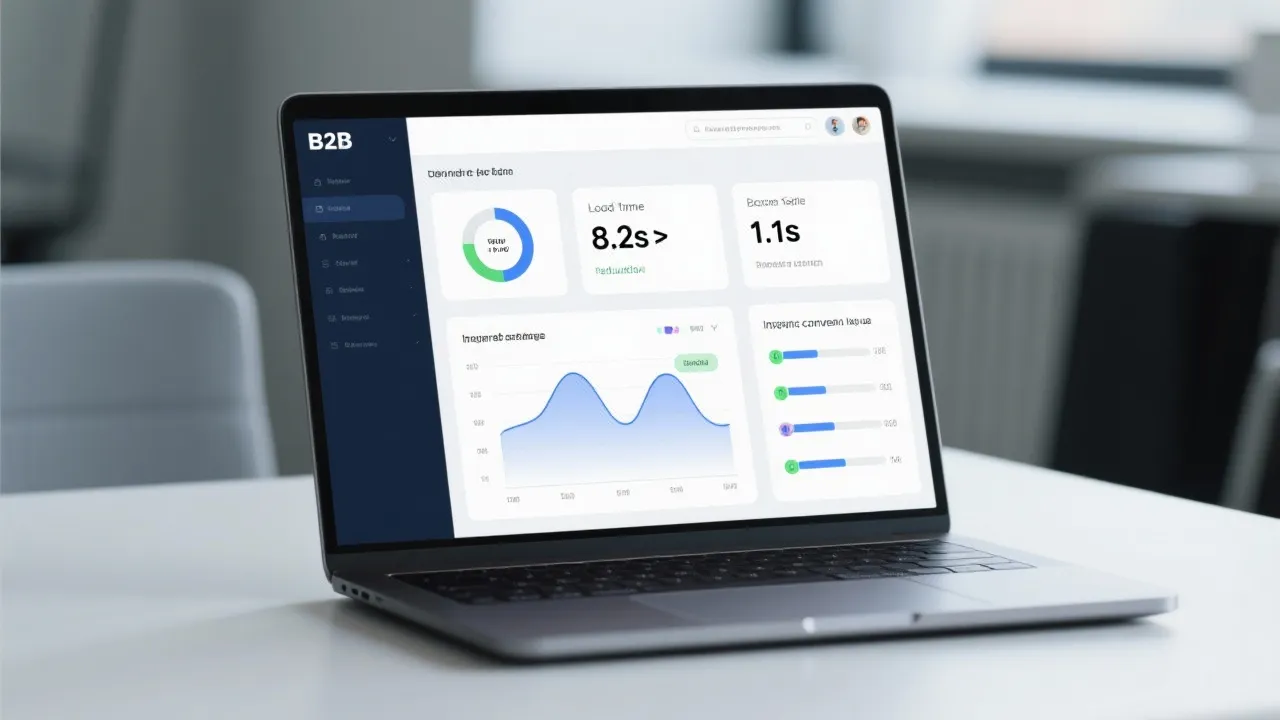
B2B Export Website Mobile Speed Optimization: AI-Powered Reconstruction from 8.2s to 1.1s
How Export SOHO Entrepreneurs Can Build an Efficient Customer Management System Using Free Tools
一文读懂外贸智能CRM系统!什么是智能CRM?有哪些突出优势?
How AI-Driven Keyword Optimization Reduces Waste in Cross-Border E-commerce Advertising
ABK Quick Client Acquisition Engine: Precisely Targeting High-Match Clients Through Diverse Features
Why Your Foreign Trade Website Has No Traffic? 3 Steps to Boost Google Rankings with Smart SEO Engine
海外建站关键词布局指南:提升搜索引擎可见性的实用方法
推荐阅读
.png?x-oss-process=image/resize,h_1000,m_lfit/format,webp)




AI-Powered Multilingual SEO Content: Essential Localization Strategy for B2B Export Enterprises
This article details how to leverage AI technology to optimize multilingual independent website content strategies for foreign trade B2B enterprises. Through in-depth content generation based on user journeys and real semantics, it achieves high-quality multilingual SEO coverage and continuous automated content updates. It introduces key technical means such as AI-driven keyword research, batch content production with localization proofreading, multi-domain site group management, and global node deployment to enhance access speed and user experience. Additionally, it analyzes the role of the full-link inquiry conversion closed loop and AI customer service preliminary screening mechanism in improving inquiry quality, providing a practical localization content strategy guide for digital marketing leaders and content strategists to help foreign trade enterprises achieve sustainable growth with the外贸B2B GEO solution.

The Strategic Guide to AI-Driven Multilingual SEO Content for B2B Export Enterprises
In today's hyper-connected global marketplace, B2B buyers expect content that speaks their language—both literally and figuratively. According to Common Sense Advisory, 76% of consumers prefer to buy products with information in their native language, and 40% won't buy from websites not in their language. For B2B enterprises, this statistic becomes even more critical as purchase cycles are longer, decision-makers are multiple, and trust is paramount.
"The intersection of AI technology and multilingual content strategy is no longer an option but a necessity for B2B exporters looking to establish meaningful connections in global markets."
Understanding the User Journey in Multilingual B2B Content
Effective multilingual SEO content must map to the B2B buyer's journey, which typically spans 7-10 touchpoints before conversion. AI technologies now enable businesses to create content that addresses each stage:
- Awareness Stage: Problem-identification content in local languages (68% of B2B buyers start their research with a generic search)
- Consideration Stage: Solution-oriented content with localized case studies (57% of the buying process is completed before contacting a supplier)
- Decision Stage: Technical specifications and comparison content tailored to regional requirements
Building Your Enterprise Knowledge Base for AI Content Generation
The foundation of successful AI-generated multilingual content lies in a well-structured enterprise knowledge base. This centralized repository should include:
Industry Semantic Networks
Domain-specific terminology and concept relationships that enable AI to produce contextually accurate content
Regional Market Insights
Local business practices, regulatory requirements, and cultural nuances for each target market
Product Information Architecture
Structured product data with multilingual attributes and technical specifications
AI-Powered Keyword Research for Global Markets
Traditional keyword research methods fall short in multilingual environments. AI tools can now analyze search intent across languages and regions, identifying high-value keywords with purchase intent. For example, a German industrial buyer might use "Maschinenlieferant" while a Spanish buyer uses "proveedor de maquinaria"—both referring to "machine supplier" but with different search volumes and competition levels.
AI-driven keyword tools provide:
- Localized search volume data (not just direct translations)
- Semantic keyword clusters specific to each market
- Competitor gap analysis across regions
- Seasonal search pattern identification for different geographies
From Batch Content Generation to Localization Excellence
The true power of AI in multilingual content lies in its ability to scale while maintaining quality. Leading B2B exporters report reducing content production time by 65-75% through AI automation, while actually improving quality metrics like time on page and conversion rates.
The AI Content Production Workflow
- AI generates initial content drafts based on optimized templates and keyword targets
- Local subject matter experts review for cultural nuance and technical accuracy
- Content is optimized for regional SEO factors (local search engines, preferred content formats)
- Structured data markup is automatically applied for rich snippets
- Content is published to appropriate regional domains with proper hreflang implementation
Technical Infrastructure: Multi-Domain Strategy and Global Performance
Even the best content will fail to convert if your technical infrastructure isn't optimized for global audiences. 47% of users expect a web page to load in 2 seconds or less, and 40% will abandon a site that takes more than 3 seconds to load. For B2B sites with technical content, this becomes even more critical.
Key technical components include:
- Strategic multi-domain approach (.de, .fr, .co.uk etc.) vs. subdirectories based on market size
- Global CDN deployment with regional edge locations (reduces latency by 50-70%)
- Server-side rendering for JavaScript-heavy sites to improve crawlability
- AI-powered image optimization for different regional connection speeds
Creating a Conversion-Focused Content Ecosystem
AI doesn't just help create content—it can optimize the entire conversion journey. By analyzing user behavior across multilingual sites, AI tools identify conversion bottlenecks and suggest content adjustments. For example, if German visitors consistently drop off at the product specification page, AI might recommend more detailed technical data or comparison charts tailored to German engineering standards.
Implementing AI-Powered Lead Qualification
Multilingual content drives international traffic, but converting that traffic into quality leads requires intelligent qualification. AI-powered chatbots can engage visitors in their native language, asking qualifying questions that determine buying intent and budget before passing leads to your sales team. This approach has been shown to increase sales team efficiency by 30-40% by focusing only on high-quality leads.
Ready to Transform Your Global Content Strategy?
Discover how AB客's外贸B2B GEO解决方案 can automate your multilingual content production while ensuring cultural relevance and SEO performance across global markets.
Schedule Your AI Content Strategy ConsultationThe future of global B2B marketing belongs to companies that can speak directly to international buyers in their language, at the right time, with the right content. AI technology has removed the traditional barriers of cost and time that prevented many exporters from implementing effective multilingual strategies. By combining AI content generation with strategic localization and technical optimization, B2B enterprises can now compete effectively in even the most challenging international markets. The question isn't whether to adopt AI for multilingual content—it's how quickly you can implement these strategies before your competitors do.
.png?x-oss-process=image/resize,h_100,m_lfit/format,webp)
.png?x-oss-process=image/resize,h_100,m_lfit/format,webp)

.png?x-oss-process=image/resize,h_100,m_lfit/format,webp)
.png?x-oss-process=image/resize,h_100,m_lfit/format,webp)
.png?x-oss-process=image/resize,h_100,m_lfit/format,webp)
.png?x-oss-process=image/resize,h_100,m_lfit/format,webp)
