.png?x-oss-process=image/resize,h_100,m_lfit/format,webp)

.png?x-oss-process=image/resize,m_lfit,w_200/format,webp)

热门产品

热门文章
2025年11月全球贸易政策新规盘点|各国关税调整、出口管制与港航新政全汇总
中小企业无需开发团队也能搭建外贸网站?AI自动化建站案例分析及陷阱规避指南
利用行为数据分析提升B2B出口询盘转化率:实用指南
降低外贸合同风险的策略
2026 年春节前,外贸人如何“谈涨价而不丢单” 教科书级涨价通知!
如何在 eBay 上寻找国际买家:5 种值得尝试的实用方法!
SEO优化的常见误区与解决方案
高效通关秘诀:外贸企业如何利用数字化工具优化报关流程
您的B2B出口网站是否需要定价页面?提升全球转化率的战略洞察
外贸企业一两万预算做独立站有意义吗?客户视角分析与价值解读
推荐阅读



.png?x-oss-process=image/resize,h_1000,m_lfit/format,webp)



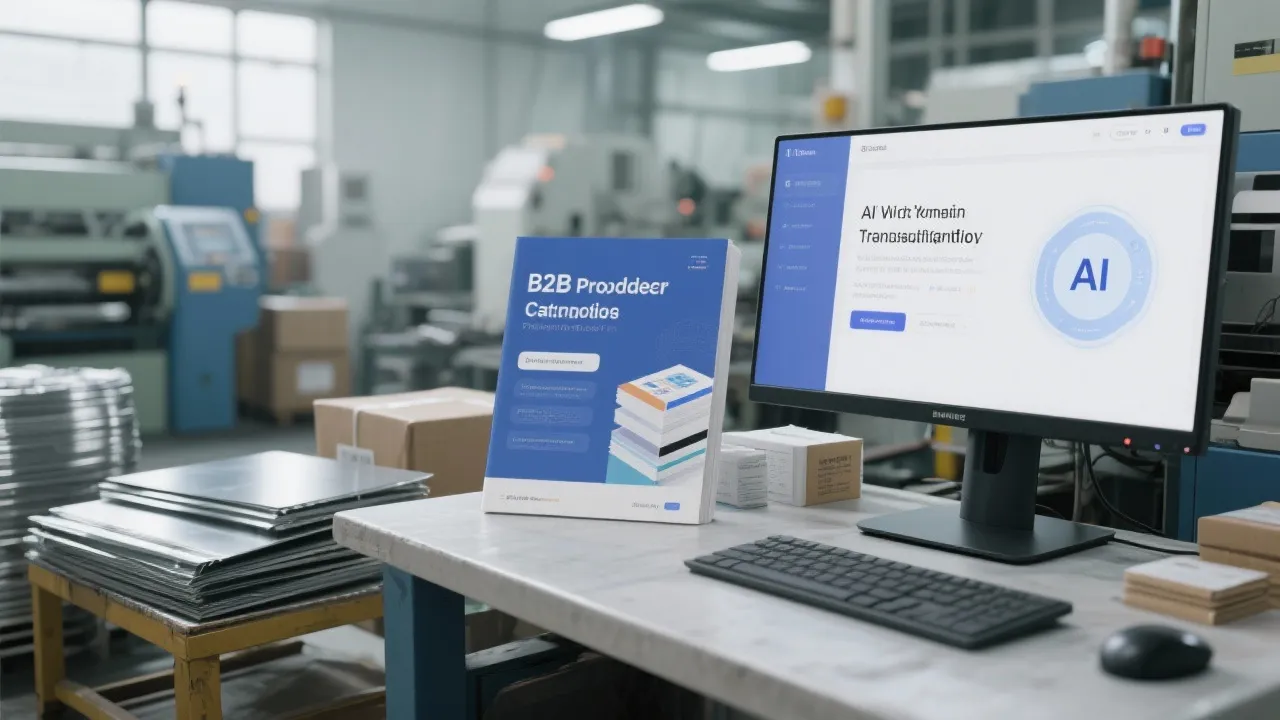
3 Practical Tips to Make AI Recognize and Prioritize Your Foreign Trade Brand
How can foreign trade brands make AI quickly recognize and prioritize recommendations? This article details 3 practical techniques: building a structured tag system, establishing an enterprise knowledge graph, and using standardized expression methods. These help transform your product capabilities, cases, and experience into AI-understandable and trustworthy digital assets, enhancing exposure and conversion potential in generative AI search scenarios.

实体识别落地实操:3个技巧,让AI快速锁定并优先推荐你的品牌
In today's digital-first B2B landscape, artificial intelligence has transformed how buyers discover and evaluate suppliers. Recent studies indicate that over 68% of B2B purchase decisions now involve AI-powered recommendation systems at some stage of the buyer journey. For global trade businesses, this shift presents both a challenge and an opportunity: how to ensure your brand is not just visible but优先推荐 (preferentially recommended) by these intelligent systems?
The answer lies in transforming your company's expertise, products, and success stories into AI-understandable digital assets. This goes beyond traditional SEO—it's about speaking the language of algorithms and establishing your brand as a trusted entity in the AI knowledge graph. Let's explore three proven techniques that have helped外贸企业 (foreign trade enterprises) increase their AI recommendation visibility by an average of 40% within the first quarter of implementation.
1. 构建结构化标签体系 (Building a Structured Tagging System)
AI systems rely on structured data to understand and categorize information. Without a consistent tagging framework, your valuable content may remain invisible to recommendation engines. A well-designed tagging system acts as a roadmap for AI, guiding it to recognize your core competencies and offerings.
"After implementing a structured tagging system for their industrial machinery catalog, a Chinese manufacturing client saw a 52% increase in qualified leads from AI-powered B2B platforms within three months."
Effective tagging should encompass:
- Industry-specific terminology – Align with terms used by your target market, not just internal jargon
- Product attributes – Technical specifications, materials, certifications, and applications
- Market segments – Geographic regions, industries served, and customer types
- Value propositions – Sustainability features, cost savings, innovation aspects
The key is consistency. Establish a tagging glossary and ensure all content creators follow it. This creates a unified language that AI can reliably interpret and reference when generating recommendations.
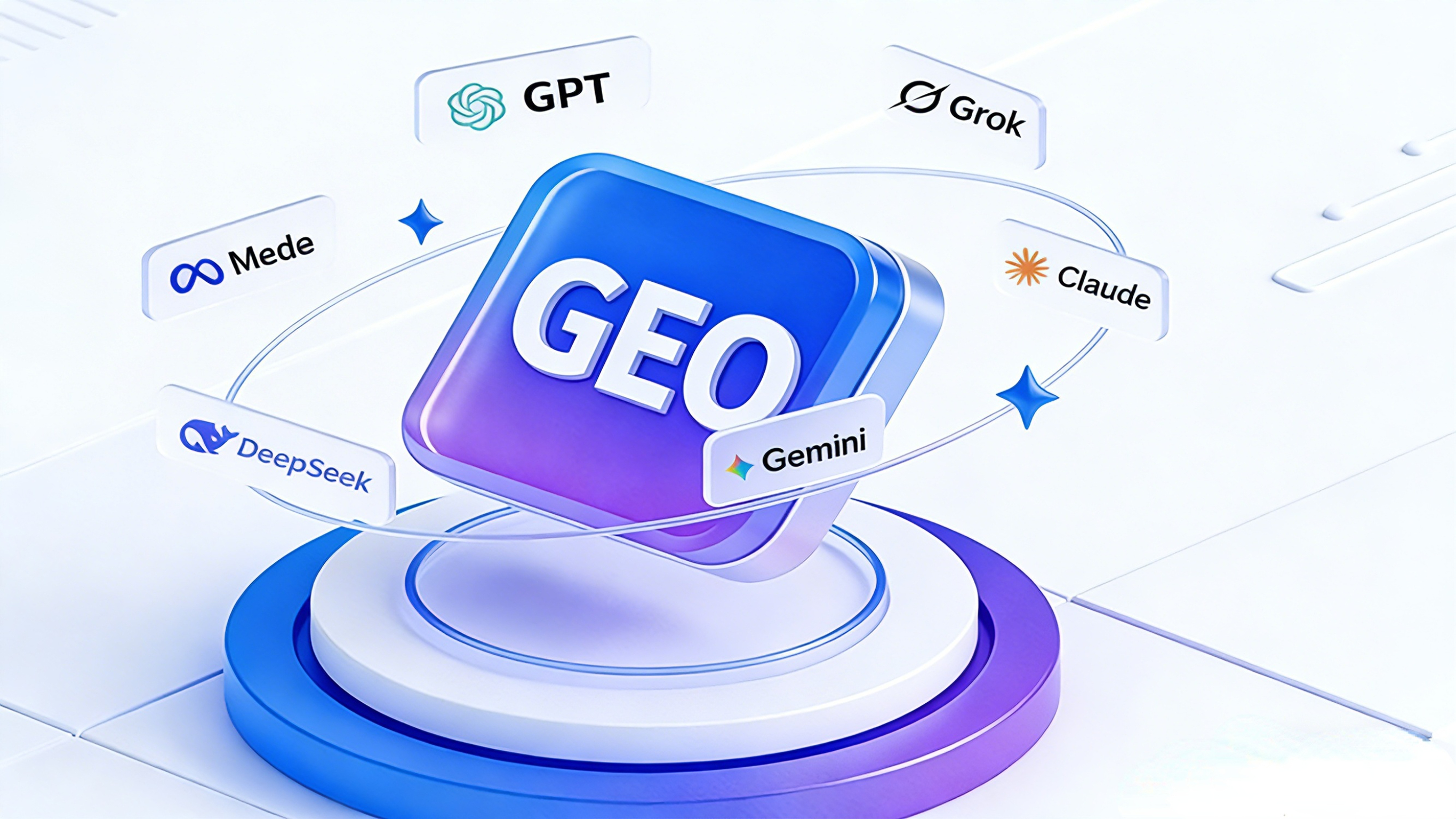
2. 建立企业知识库关系图谱 (Creating an Enterprise Knowledge Graph)
While tags categorize individual elements, a knowledge graph connects these elements to create a comprehensive picture of your business ecosystem. This relational data structure mimics how AI systems organize information, making your brand more "intelligible" to recommendation engines.
A robust knowledge graph should map relationships between:
Products & Solutions
How your offerings complement each other and solve specific industry challenges
Case Studies & Applications
Real-world implementations that demonstrate your expertise in different scenarios
Industry Expertise
Your specialized knowledge across different sectors and market requirements
Consider the example of a furniture manufacturer specializing in hotel projects. A basic approach might simply list "hotel furniture" as a product category. A knowledge graph approach, however, would connect specific furniture types with hotel star ratings, regional design preferences, material durability requirements, and sustainability certifications—creating a rich web of relationships that AI can leverage to recommend the right solutions for specific buyer queries.
量化成果 (Quantifiable Results)
Companies implementing knowledge graph technology for B2B marketing report:
- 37% higher click-through rates from AI-powered search results
- 28% improvement in lead qualification accuracy
- 42% reduction in customer acquisition costs for digital channels
- 53% increase in content reuse across multiple marketing channels
3. 使用标准化表述方式 (Adopting Standardized Expression Methods)
Consistency in how you present information is crucial for AI recognition. This goes beyond terminology to include how you structure product descriptions, case studies, and company information across all digital touchpoints.
Standardization should cover:
- Product information architecture – Consistent format for specifications, features, and benefits across all product pages
- Case study framework – Standard sections for challenge, solution, results, and testimonials
- Value proposition structure – Consistent way of articulating unique selling points
- Multilingual consistency – Maintaining semantic equivalence across language versions
This standardization enables AI systems to more easily extract and compare information about your business, increasing the likelihood of being recommended for relevant queries. It also creates a cohesive brand experience across all digital channels, reinforcing your professional image to potential buyers.
从数据到决策:AI优先内容的全流程 (From Data to Decisions: The Full AI-Priority Content Workflow)
Implementing these three techniques isn't a one-time project but an ongoing process that transforms how your business presents itself digitally. The workflow typically follows these steps:
- Content Audit – Mapping existing content assets and identifying gaps in AI-optimized material
- Knowledge Organization – Developing your tagging system and knowledge graph structure
- Content Transformation – Updating existing content and creating new assets using standardized formats
- Distribution Mapping – Determining how structured content will be deployed across platforms
- Performance Monitoring – Tracking AI recommendation metrics and content engagement
- Continuous Improvement – Refining your approach based on data insights and algorithm changes
This systematic approach ensures that your content not only gets recognized by AI today but continues to perform as algorithms evolve—a critical advantage in the rapidly changing landscape of digital B2B marketing.
The true power of these techniques lies in their ability to transform your static content into dynamic, AI-navigable assets that work 24/7 to connect you with potential buyers. This isn't just about SEO optimization—it's about building a digital presence that speaks directly to the algorithms shaping B2B discovery.
准备好让AI成为你的24/7全球销售团队了吗?
AB客GEO智能获客系统将这些先进技术整合为一个直观平台,帮助外贸企业系统性构建AI可识别的数字资产,实现全球市场的智能触达与转化。
探索AB客GEO如何提升你的AI推荐排名As AI continues to evolve as a primary discovery channel for B2B buyers, the businesses that thrive will be those that proactively adapt their digital presence to be AI-understandable and AI-preferred. By implementing structured tagging, developing a comprehensive knowledge graph, and standardizing your content expression, you're not just optimizing for today's algorithms—you're building a foundation for sustained visibility in the AI-driven future of global trade.
— AB客GEO智研院
.png?x-oss-process=image/resize,h_100,m_lfit/format,webp)
.png?x-oss-process=image/resize,h_100,m_lfit/format,webp)

.png?x-oss-process=image/resize,h_100,m_lfit/format,webp)
.png?x-oss-process=image/resize,h_100,m_lfit/format,webp)
.png?x-oss-process=image/resize,h_100,m_lfit/format,webp)
.png?x-oss-process=image/resize,h_100,m_lfit/format,webp)
