.png?x-oss-process=image/resize,h_100,m_lfit/format,webp)

.png?x-oss-process=image/resize,m_lfit,w_200/format,webp)

热门产品

热门文章
外贸客户说价格高了如何巧妙回答?7大压价场景与高情商话术(附真实案例)
制作有效的客户证言视频,提升B2B采购决策中的信任度
样品确认后是否能严格按照样品生产?探讨外贸生产的关键
外贸新手必备指南:实用术语及付款方式
外贸圈都炸了!10 分钟建站,询盘暴增200%,狂甩同行十条街!
服装出口企业如何利用海关数据锁定欧洲新客户:采购行为逻辑的真实案例分析
双11外贸建站特惠:打造高效获客独立站
用 Facebook 精准 “钓” 外贸客户,这些策略与实操技巧助你爆单(附真实案例)!
客户案例研究:一家不锈钢零件供应商如何通过内容营销提升海外销售额
外贸SOHO新手如何通过SEO优化快速提升网站排名?一篇教会你!
Recommended Reading
.png?x-oss-process=image/resize,h_1000,m_lfit/format,webp)


.jpg?x-oss-process=image/resize,h_1000,m_lfit/format,webp)



Leveraging AI to Identify Long-Tail Keywords in the Spanish Market: Essential Cross-Language SEO Strategies for Exporters
How can exporters accurately identify long-tail keywords for the Spanish-speaking market using AI tools? This article reveals practical cross-language SEO techniques that go beyond simple translation traps. By combining semantic understanding and dynamic data feedback, you can pinpoint high-conversion buyer intent phrases like ‘compra de maquinaria agrícola,’ effectively overcoming customer acquisition challenges in non-English markets. Included is a reusable three-step approach and real case studies to help you efficiently reach potential customers in Spanish-speaking countries and maximize your advertising ROI.

How to Harness AI Tools for Identifying Spanish Market Long-Tail Keywords?
Expanding your reach in Spanish-speaking markets isn’t just about translating your keywords; it’s about understanding the complex search behaviors shaped by local language nuances and purchasing intents. You might think that a simple word-for-word translation is enough, but here’s a critical insight: over 80% of advertising budget waste stems from keyword mismatches or poorly targeted phrases. That’s where AI-powered keyword research becomes your game changer.
Decoding Search Behavior: More Than Just Words
As you target Spanish markets, you need to account for local search semantics. For example, a direct translation of “agricultural machinery purchase” to “compra de maquinaria agrícola” might perform well, but what about variations such as “maquinaria para agricultura,” or long-tail phrases capturing specific buyer intents like “mejor maquinaria agrícola para pequeños agricultores”? AI tools can analyze search patterns, regional dialects, and trending phrases dynamically — enabling you to capture the full spectrum of relevant queries from Spanish-speaking customers.
Such semantic comprehension means your campaigns no longer miss out on valuable traffic simply because you weren’t speaking your customer's language in context. You effectively jump past the “literal translation trap” by leveraging NLP and machine learning to surface true user intent.
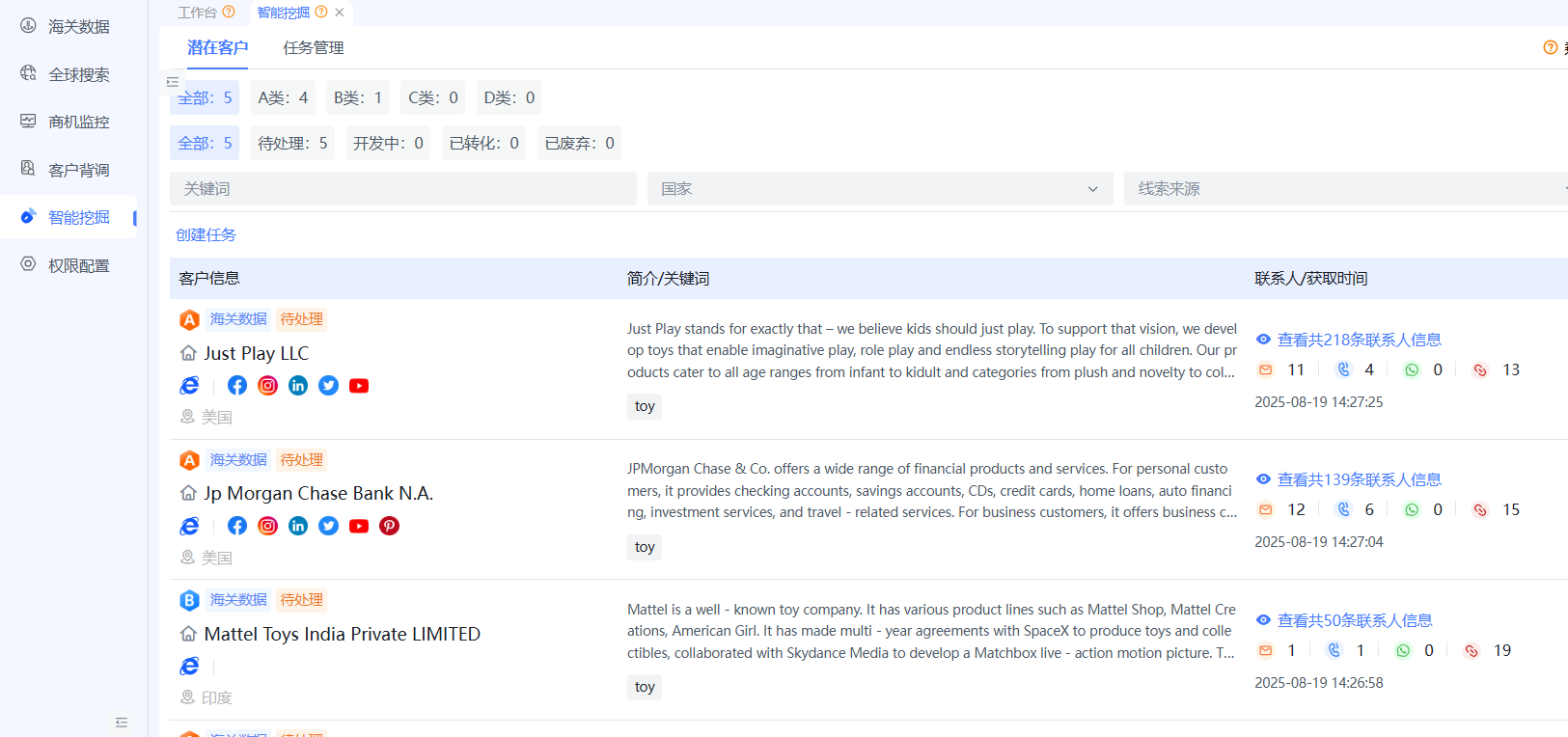
Implementing AI-Driven Keyword Discovery: A 3-Step Method
- Data Collection: Use AI-powered platforms (e.g., Google Trends, SEMrush with multilingual support, or specialized AI keyword tools) to gather raw search data across Spanish-speaking regions. Focus on both volume and the context of queries.
- Semantic Clustering & Filtering: Apply AI models to group related long-tail keywords by intent — purchase, comparison, informational — and filter out irrelevant terms. This creates a rich taxonomy tailored to your industry and target market.
- Dynamic Optimization Loop: Continuously feed ad and search performance data back into the AI system to refine keyword priorities and discover emergent trends, ensuring up-to-date optimization with minimal manual effort.
By automating this loop, you are not simply guessing what works—you’re building an adaptive system that maximizes your ad spend efficiency, ensuring every dollar hits intent-rich phrases with market-proven conversion potential.

How to Categorize Your Keywords for Maximum Impact
Translating data into action requires a clear tagging system. Your AI tools should help classify keywords by:
- Search Intent: Transactional (compra), Informational (cómo usar), Navigational (marca específica).
- Industry Segment: e.g., agricultural equipment, consumer electronics, or textiles.
- Geographic Nuance: regional dialects (e.g., Mexico vs. Spain) and seasonal trends.
Pair this taxonomy with validation tools—Google Trends is invaluable to benchmark keyword popularity over time, while AI platforms uncover emerging long-tail opportunities before competitors do.
Your Turn: Is Your Spanish Market Keyword Strategy Leaving Money on the Table?
Ask yourself:
- Are your keywords truly resonating within the cultural and linguistic context of your target Spanish-speaking audience?
- Is your keyword research process dynamic and adaptive against shifting market trends and competitor moves?
- Do you have a robust AI-driven workflow that aligns ad spend tightly with high-intent user queries?
Mastering these facets means every cent in your advertising budget zeroes in on your ideal buyers — no guesswork, no keyword fatigue, just high-impact conversion.
.png?x-oss-process=image/resize,h_100,m_lfit/format,webp)
.png?x-oss-process=image/resize,h_100,m_lfit/format,webp)

.png?x-oss-process=image/resize,h_100,m_lfit/format,webp)
.png?x-oss-process=image/resize,h_100,m_lfit/format,webp)
.png?x-oss-process=image/resize,h_100,m_lfit/format,webp)
.png?x-oss-process=image/resize,h_100,m_lfit/format,webp)
