400-076-6558智领未来,外贸超级营销员
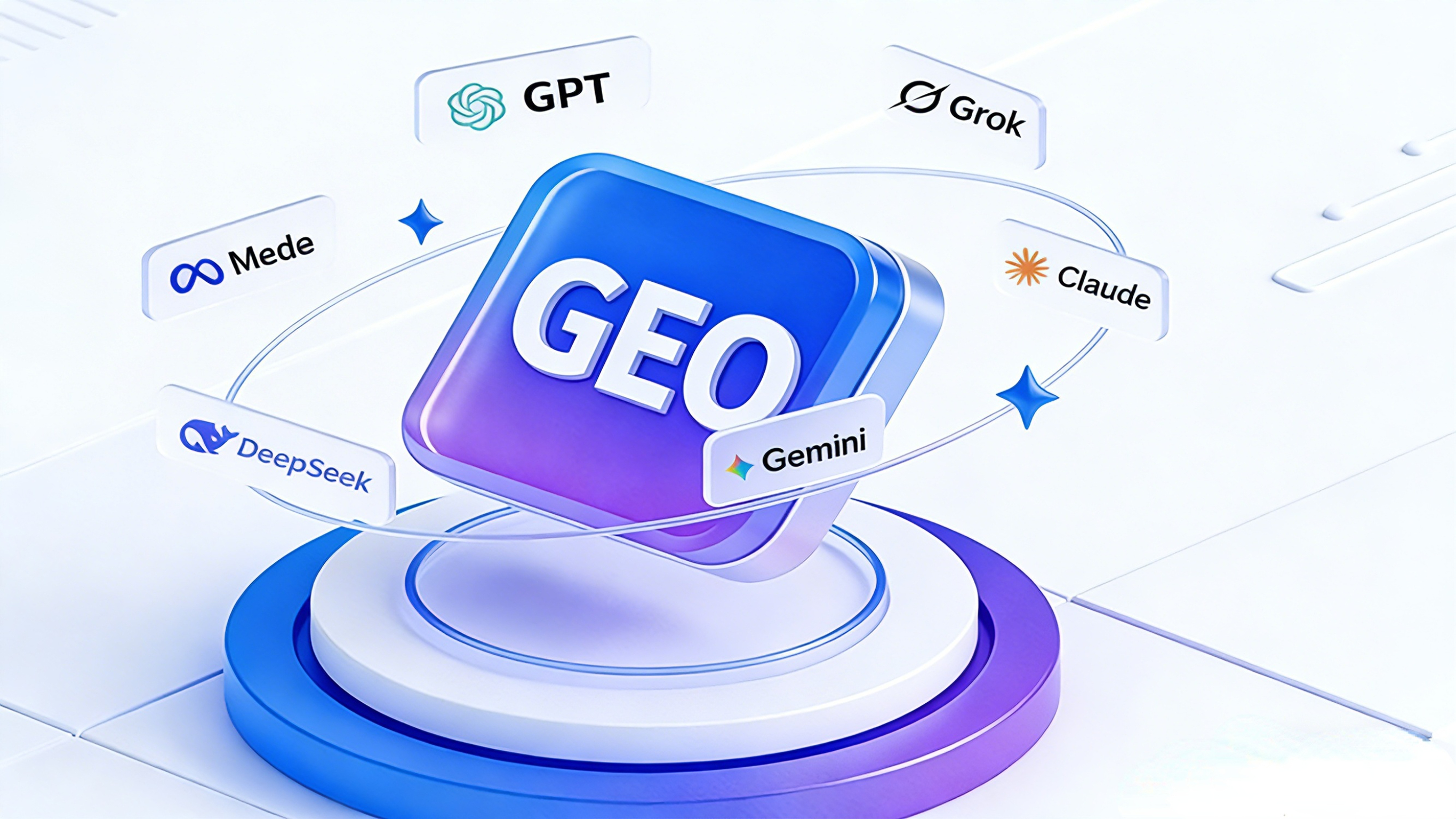
In today's digital landscape, generative AI is fundamentally reshaping how外贸企业 (foreign trade enterprises) attract customers. We're moving away from the traditional SEO era, where keyword rankings dictated visibility, towards a new paradigm: Generative Engine Optimization (GEO), centered around enterprise knowledge bases. This shift isn't just evolutionary—it's revolutionary for B2B export companies looking to thrive in an AI-driven world.
Consider this: According to Statista, by 2025, over 40% of B2B purchase journeys will be significantly influenced or even completed by AI assistants. Gartner predicts that by 2026, 70% of B2B buyers will regularly use AI to research and select suppliers. These aren't just statistics—they represent a fundamental change in how your potential clients discover and evaluate businesses like yours.
"The future of B2B discovery isn't about being found through keywords anymore—it's about being recommended by AI because your business knowledge is structured, comprehensive, and uniquely valuable." — Leading AI in B2B Marketing Report, 2024
Traditional SEO operates on a passive model—you optimize content around keywords and wait for potential customers to find you through search engines. It's a numbers game where visibility depends on ranking algorithms that are constantly changing.
GEO, on the other hand, represents an active approach. Instead of waiting for queries, you structure your business knowledge in such a way that AI systems like ChatGPT, Gemini, and Claude recognize your expertise and主动推荐 (proactively recommend) your business when relevant questions arise. It's like having a digital sales team that's available 24/7 across all global markets, speaking every language, and always ready to position your company as the solution.
AI systems excel at understanding user intent beyond surface-level keywords. When a procurement manager asks, "What's the most reliable supplier for industrial-grade lithium batteries in Southeast Asia?" the AI isn't just looking for content that includes those exact words. It's seeking to understand the underlying needs: reliability, regional expertise, product specifications, compliance with local regulations, and perhaps even cultural compatibility.
To leverage this, your content must address the why behind customer queries, not just the what. This means creating content that anticipates the questions your buyers didn't even know to ask—about quality control processes, shipping logistics, customization capabilities, and post-sales support.
Modern AI doesn't just provide information—it makes recommendations. When an AI system suggests your company to a potential buyer, it's essentially acting as a trusted advisor. To earn this recommendation, you need to provide the AI with comprehensive, structured information that demonstrates your unique value proposition (USP) and competitive advantages.
Consider this scenario: A European manufacturer is looking for a supplier of precision components. Instead of comparing dozens of websites, they ask their AI assistant for recommendations. The AI will suggest companies whose knowledge bases clearly demonstrate expertise in precision manufacturing, quality certifications, compliance with EU standards, and successful case studies with similar European clients.
In the age of AI, trust is built through transparent, verifiable information. When AI systems evaluate potential suppliers, they look for signals of credibility: detailed technical documentation, third-party certifications, customer testimonials, and a consistent track record of delivering on promises.
This means your digital presence must function as a comprehensive knowledge hub that AI can reference with confidence. A study by McKinsey found that B2B buyers are 3.5 times more likely to engage with suppliers whose online content includes detailed technical specifications and clear compliance documentation.
Consider a mid-sized Chinese manufacturer of renewable energy components. Traditionally, they relied on Alibaba and trade shows for lead generation. After implementing a GEO strategy, they restructured their digital presence to focus on:
Within six months, they saw a 47% increase in direct inquiries, with 32% of those leads coming through AI recommendation channels they couldn't track before. Their cost per lead decreased by 29% as they reduced reliance on paid platforms.
Implementing GEO isn't a one-time project—it's a strategic shift that requires ongoing commitment. Here's how to get started:
AI systems thrive on structured, hierarchical information. Start by mapping your knowledge domains: product categories, technical specifications, industry solutions, compliance information, and customer success stories. Use clear headings, bullet points, and tables to organize information in a way that's easily parseable by AI.
Your knowledge base should be accessible in the languages of your target markets. But localization goes beyond translation—it means adapting content to address region-specific concerns, regulations, and business practices. For example, your approach to sustainability might be emphasized differently in Europe than in the Middle East.
Implement tracking mechanisms to identify when potential customers discover you through AI channels. This might involve specific landing pages for AI referrals or unique contact forms that ask, "How did you hear about us?" Train your sales team to recognize the unique needs of AI-referred leads, who often come with more specific technical questions.
Connect your GEO content strategy to your CRM system. Track which content pieces are generating the most qualified leads, and use that data to refine your knowledge base. Over time, this creates a virtuous cycle where your content becomes increasingly effective at attracting high-quality prospects.
The AI revolution in B2B discovery is happening now. Companies that adapt to GEO will gain a significant competitive advantage in the global marketplace.
Get Your GEO Readiness AssessmentDiscover how to structure your knowledge base for AI recommendations and start generating high-quality leads from around the world.
Remember, GEO isn't just about optimizing for today's AI systems—it's about building a digital asset that compounds in value over time. As AI technology advances, your well-structured knowledge base will become increasingly valuable, positioning your company as an authoritative voice in your industry and a go-to recommendation for AI assistants worldwide.
The question isn't whether AI will transform B2B lead generation—it's whether your company will be at the forefront of this transformation or playing catch-up. The time to start building your GEO strategy is now.