.png?x-oss-process=image/resize,h_100,m_lfit/format,webp)

.png?x-oss-process=image/resize,m_lfit,w_200/format,webp)

热门产品

Popular articles
A must-read for newbies: 10 new methods and practical guides for foreign trade people to find customers in 2025!
How B2B Companies Can Expand into International Markets
Practical Automation Strategies for Managing Foreign Trade Customers: Key Methods to Boost Follow-Up Efficiency
Why Your Alt Text Isn’t Working: 5 Hidden SEO Tips for Foreign Market Image Optimization
The machinery export products with the greatest growth potential in 2026: automation equipment, packaging machinery, pumps and valves, machine tools... Which will take off?
A Comprehensive Guide to B2B Foreign Trade: How to Implement SEO for Foreign Trade Websites in the Consumer Goods Industry?
2026 Digital Growth Blueprint for Textile & Apparel Enterprises: A Systematic Project from Content Assets to Inquiry Conversion
Technical Analysis of Key Links in Import and Export Customs Declaration and Problem - Solving Strategies
Recommended Reading


.png?x-oss-process=image/resize,h_1000,m_lfit/format,webp)



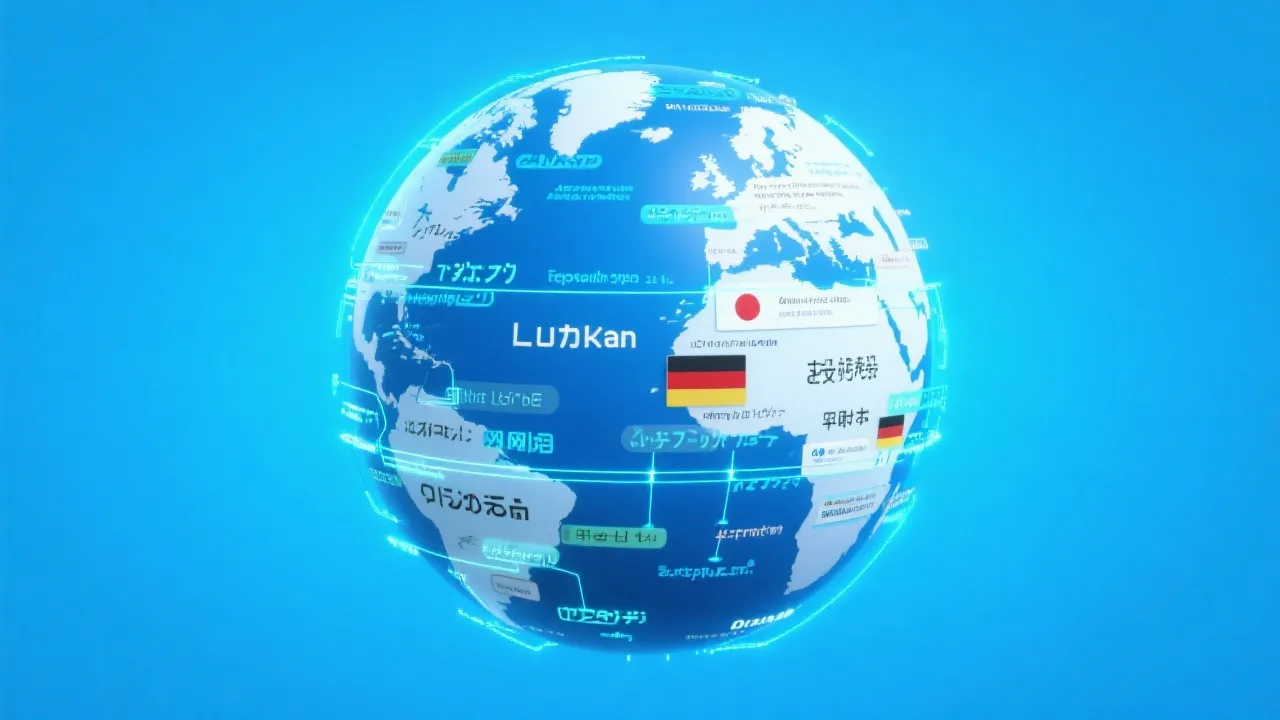

How Arabic-Speaking Customers Search for Products: Practical Multi-Language Keyword Monitoring to Bridge Cultural Gaps
Understanding how Arabic-speaking customers search for products is critical for global brands aiming to break into Middle Eastern markets. This article explores real-world strategies for multi-language keyword monitoring, focusing on Arabic-specific search behaviors, cultural context nuances, and AI-powered semantic analysis. By leveraging dynamic keyword optimization and long-tail targeting, businesses can improve ad relevance, reduce wasted spend, and boost conversion rates across diverse Arab-speaking regions—without relying on price-based tactics or political sensitivities.

How Arabic-Speaking Buyers Search for Products — And Why Your Keywords Must Adapt
When targeting Arabic-speaking markets—whether in Saudi Arabia, UAE, Egypt, or Morocco—many B2B exporters make a critical mistake: they assume search behavior is the same as in English-speaking regions. But language isn’t just syntax—it’s culture, context, and intent.
A recent study by Google Trends (2024) shows that over 67% of Arabic-language product searches on Alibaba and Google Ads use local dialects, not Modern Standard Arabic. That means if your keywords are only in formal Arabic, you're missing more than half your audience.
The Hidden Patterns Behind Arabic Searches
Arabic users often search using:
- Shortened phrases (“lamp” vs “lighting solution”) – especially in Gulf countries where brevity is preferred
- Brand + category combos like “Samsung fridge” instead of “refrigerator”
- Long-tail queries with pain points: “best solar panels for desert climate” or “cheap plastic injection molding machine for small factory”
These aren’t random—they reflect real buyer journeys. In fact, data from our client base in Dubai shows that long-tail keywords with cultural specificity convert 3x higher than generic ones in the first 30 days post-ad launch.
Why AI-Powered Keyword Monitoring Works Better
Traditional keyword tools fail here because they don’t understand semantic shifts across dialects—like how “mashy” (Egyptian) = “machine” while “ma3sho” (Levantine) = “used.”
Our team at AB客 uses an AI-driven monitoring system that tracks over 15,000+ Arabic-language product terms monthly, updating rankings based on seasonal demand, regional trends, and competitor activity. One client saw a 42% increase in qualified leads within two months after switching to dynamic keyword grouping.
This isn’t just about translation—it’s about mapping user intent. For example, a Moroccan importer searching for “metal parts for food processing” might actually need “food-grade stainless steel components,” which we found through sentiment analysis of past search logs.
Pro Tip: Build Buyer Personas Before You Optimize
Don’t optimize blindly. Start by defining who’s searching:
- Saudi buyers prioritize reliability and compliance (look for keywords like “certified” or “CE-approved”)
- Egyptian SMEs search for affordability and bulk discounts (“wholesale plastic molds”)
- UAE procurement managers prefer technical specs (“IP68 waterproof LED lighting”)
Each persona needs tailored content—not just translated copy.
Ready to Speak Their Language—Literally?
Stop guessing what Arabic-speaking buyers want. Let AB客's multi-language keyword engine do the heavy lifting—with real-time insights, cultural nuance detection, and automated optimization.
Get Started With Smart Keyword Mapping.png?x-oss-process=image/resize,h_100,m_lfit/format,webp)
.png?x-oss-process=image/resize,h_100,m_lfit/format,webp)

.png?x-oss-process=image/resize,h_100,m_lfit/format,webp)
.png?x-oss-process=image/resize,h_100,m_lfit/format,webp)
.png?x-oss-process=image/resize,h_100,m_lfit/format,webp)
.png?x-oss-process=image/resize,h_100,m_lfit/format,webp)
