.png?x-oss-process=image/resize,h_100,m_lfit/format,webp)

.png?x-oss-process=image/resize,m_lfit,w_200/format,webp)

热门产品

热门文章
2025年外贸五大“万亿级风口”市场,抓住就是下一个“爆单王”!
外贸客户寻找方法大全:高效获客完整指南
新出口商如何避免文化冲突:全面了解目标市场文化特征的指南
外贸企业如何利用 AB 客1+AI 模式,500% 提升内容生产效率!
科技驱动小企业供应链升级:探索物联网、区块链、人工智能的应用!
2025 年圣诞·元旦双节冲刺:用 7 大催单邮件模板拿下年底订单
如何保证样品与批量生产的一致性:实践经验与技巧分享
外贸SOHO外包指南:低成本、高效率的CRM工具及最佳设置策略
2026年外贸B2B行业5大新趋势!新人还有没有机会?
外贸企业网站建设难点分析:AI多语言解决方案能否突破语言障碍?
推荐阅读
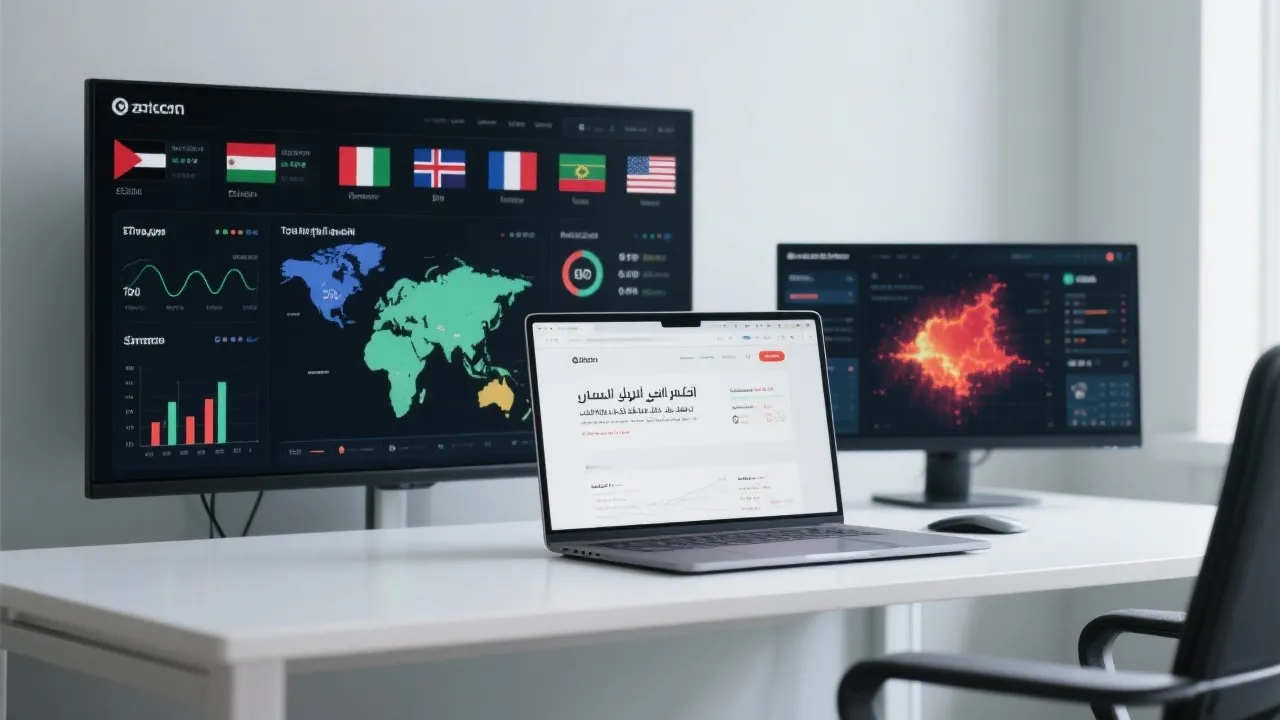





5-Step Strategy for Automated Content Generation in Cross-Border B2B Marketing
Discover how to streamline content production and achieve synchronized global campaigns with AI-driven automation. This actionable guide walks you through data-backed topic selection, multilingual localization, format optimization, ROI tracking, and team collaboration—enabling export-focused businesses to cut time-to-market by up to 30%, boost content output, and maintain a unified brand voice across markets. Perfect for teams ready to scale efficiently.

How to Automate B2B Content Production for Global Markets — A 5-Step Blueprint
If your team is still manually writing content for each market, you're not just wasting time—you’re falling behind competitors who’ve already embraced automation. In fact, companies using AI-powered content systems report up to 30% faster time-to-market and a 25% increase in lead quality. Here’s how to build a scalable, globally consistent content engine that works across regions—without sacrificing localization depth.
Step 1: Data-Driven Topic Selection Based on Buyer Intent
Start with intent signals—not assumptions. Use tools like Google Trends, SEMrush, and LinkedIn Sales Navigator to identify high-intent keywords by region (e.g., “industrial conveyor belt supplier” vs. “automated sorting system manufacturer”). Companies doing this see an average of 40% higher engagement because they’re speaking directly to buyer pain points—not internal jargon.

Step 2: Build a Standardized Localization Framework
Don’t translate—localize. Create templates for tone, structure, and cultural references per market. For example, German buyers expect technical specs upfront; Middle Eastern clients value relationship-building language. With a standardized process, teams can produce localized versions 3x faster than manual workflows while maintaining brand voice consistency.
Step 3: Format Optimization for Each Channel
One piece of content shouldn’t be treated as one-size-fits-all. Repurpose a single product article into a LinkedIn carousel (for decision-makers), a TikTok explainer video (for engineers), and a short FAQ blog post (for procurement teams). This approach increases reach by up to 60% without doubling effort—thanks to modular content architecture.
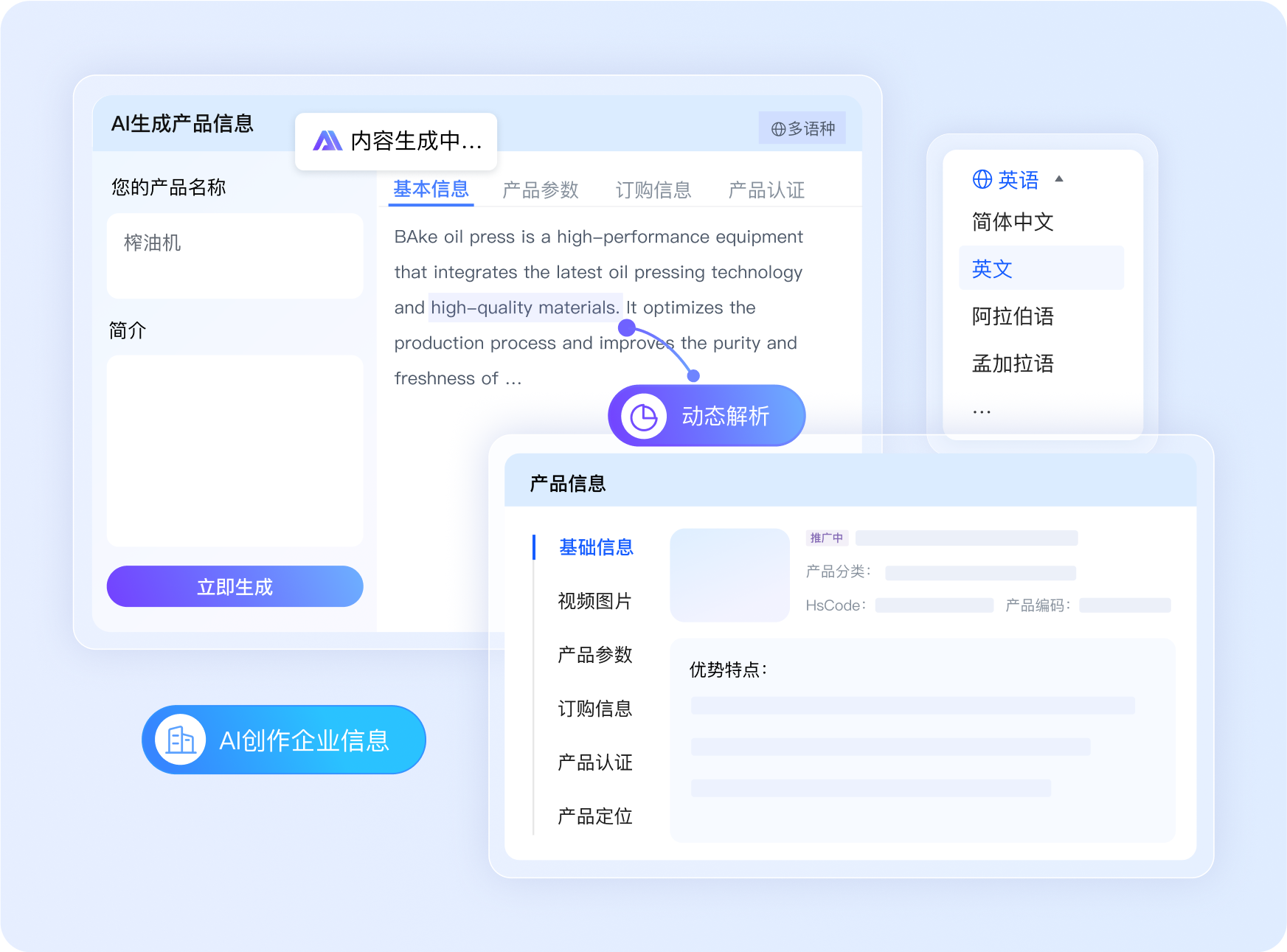
Step 4: Track ROI from Day One
Set up UTM tagging, conversion tracking, and content scoring based on engagement metrics (time-on-page, shares, leads). Brands implementing closed-loop analytics reduce wasted spend by 35% and double down on what works—fast. Your team won’t just create content—they’ll optimize it continuously.
Step 5: Empower Teams with Strategic Creativity
Automation frees your writers from repetitive tasks so they can focus on strategy, storytelling, and innovation. Teams using structured AI workflows report 50% more creative output—because they’re no longer drowning in formatting, translation, or keyword research.
Ready to scale your global B2B presence? Stop managing content—you should be growing revenue with it. Our AI-powered content factory helps manufacturers and exporters launch campaigns in 7 languages within 2 weeks.
Launch Your Global Content Engine Today.png?x-oss-process=image/resize,h_100,m_lfit/format,webp)
.png?x-oss-process=image/resize,h_100,m_lfit/format,webp)

.png?x-oss-process=image/resize,h_100,m_lfit/format,webp)
.png?x-oss-process=image/resize,h_100,m_lfit/format,webp)
.png?x-oss-process=image/resize,h_100,m_lfit/format,webp)
.png?x-oss-process=image/resize,h_100,m_lfit/format,webp)
