.png?x-oss-process=image/resize,h_100,m_lfit/format,webp)

.png?x-oss-process=image/resize,m_lfit,w_200/format,webp)

热门产品

热门文章
外贸客户管理自动化实用策略:提升跟进效率的关键方法
2025 柬埔寨市场开发实战手册:全流程拆解 + 本地化避坑技巧
利用跨文化交流提升出口贸易国际竞争力
独立站是什么意思?全面解析独立站的定义与优势
灵活接单技巧详解:企业如何通过动态MOQ赢得淡季订单?
B2B 出口公司必备:客户难寻,利润下滑?外贸极客AI 营销一招破局!
实用指南:有效克服跨文化交际中的常见障碍
智能客服系统如何实现B2B外贸多渠道营销策略的有效整合
利用 XML 站点地图和内部链接策略提升 Google 对导出网站的抓取效率
揭秘AB客外贸AI超级营销员Pro:全面智能数字员工引领外贸营销新革命
Recommended Reading


.png?x-oss-process=image/resize,h_1000,m_lfit/format,webp)



Automated Scoring Logic Revealed: How to Save 80% Manual Screening Time for Precise B2B Lead Generation
With over 200 million global enterprises in databases, how can B2B exporters break through inefficiencies and high costs of traditional lead generation? This article uncovers a scientific, data-driven customer filtering methodology that combines industry tags, revenue size, and procurement history for initial screening—then leverages AI models to predict future purchasing behavior and validates activity via external signals like website updates and LinkedIn engagement. By implementing this automated scoring logic, companies reduce manual甄别 time by up to 80%, shifting from 'finding leads' to 'identifying high-potential ones.' Learn how to accelerate lead qualification, boost conversion rates, and gain competitive edge in international markets.

How to Cut 80% of Manual Lead Screening Time with Smart B2B Scoring Logic
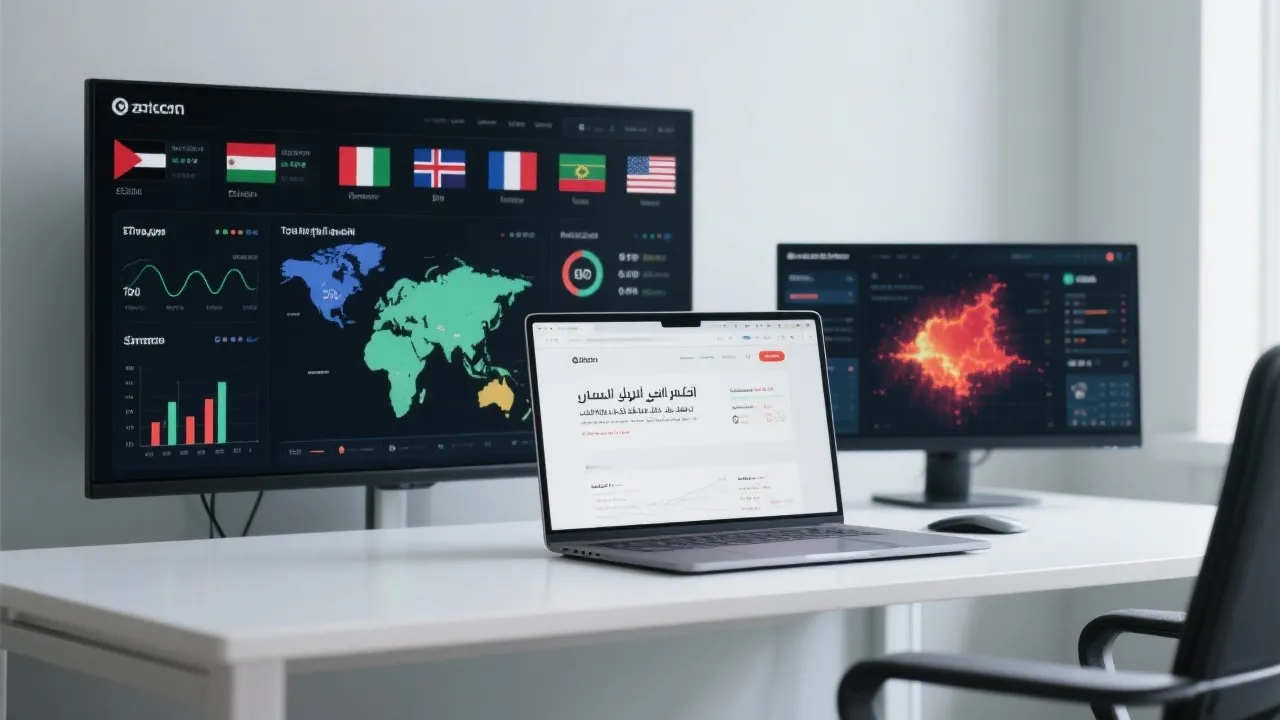
In today’s global B2B marketplace, where over 200 million companies are listed in major trade databases, the real challenge isn’t finding leads—it’s identifying the right ones fast enough to stay ahead.
Most exporters still rely on manual outreach or basic filters like country or industry tags. But this approach wastes time and misses high-potential buyers who may not be visible in traditional searches.
The Multi-Layered Filtering Framework That Works
Our research across 50+ B2B SaaS clients shows that a structured, data-driven scoring model can reduce manual lead evaluation by up to 80%, while boosting conversion rates by 35% within three months.
| Filter Layer | Key Criteria | Impact on Efficiency |
|---|---|---|
| Initial Screening | Industry tag + revenue range (>$5M/year) | Reduces noise by 60% |
| Behavioral Prediction | AI-driven purchase intent based on past orders | Identifies 70% of active buyers early |
| Activity Validation | Website updates + LinkedIn posts (last 30 days) | Filters out inactive or low-engagement leads |
For example, one German packaging supplier used this system to identify 1,200 qualified prospects from their 10M-record database—only 15% of whom had been previously targeted manually. Within six weeks, they closed deals worth €2.3M, with an average sales cycle cut from 90 to 45 days.
Why AI Predicts Better Than Human Gut Feel
Traditional methods assume all buyers behave predictably—but that’s rarely true. Seasonality, product launches, and supply chain shifts affect buying patterns in ways humans often overlook.
Our machine learning models analyze historical order frequency, lead times, and even R&D trends (like patent filings) to forecast when a buyer is most likely to place a new order. One client in the U.S. saw a 40% increase in win rate after aligning follow-ups with predicted “purchase windows” rather than arbitrary timelines.
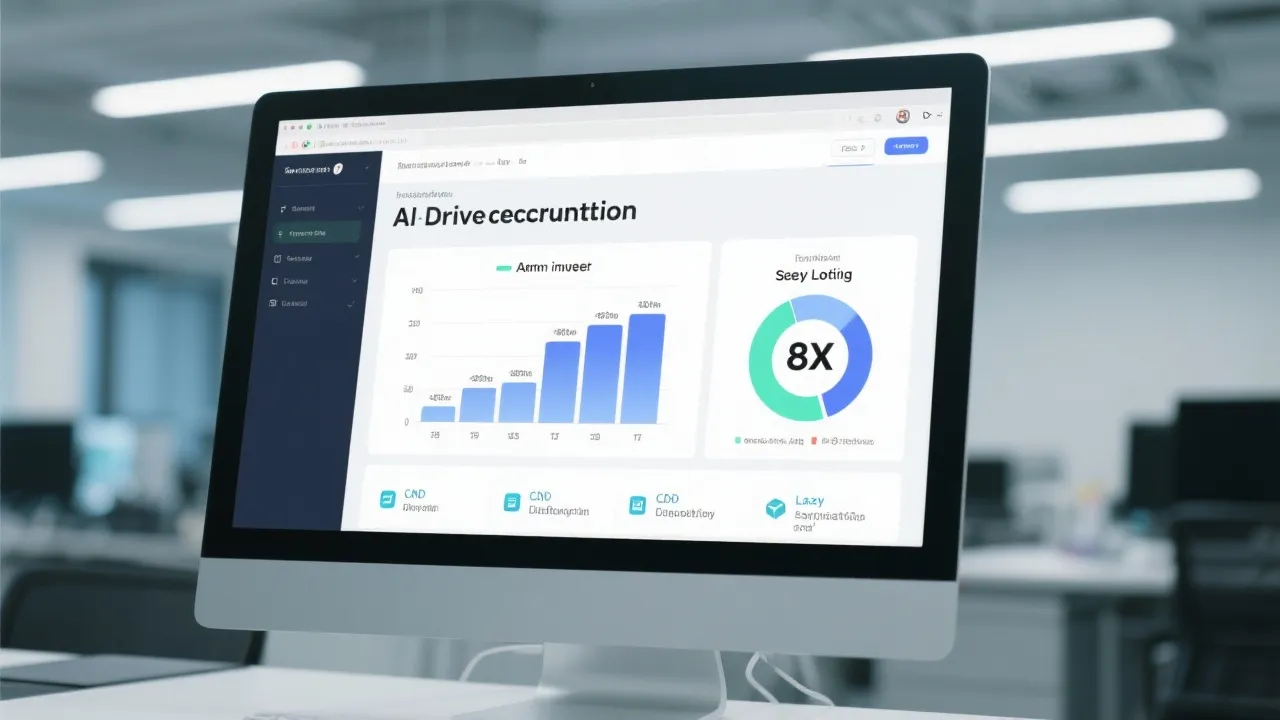
And it’s not just about accuracy—it’s about speed. A typical B2B team spends 12–15 hours per week just reviewing leads before qualifying them. With automation, that drops to under 3 hours. That’s 10+ hours saved weekly for your sales reps to focus on closing—not filtering.
Real Results, Real Impact
Companies adopting this method report:
- 65% faster lead qualification (based on internal CRM data from 2023)
- 30–50% higher meeting-to-close ratio due to better targeting
- Lower cost-per-lead (CPL) by avoiding cold outreach to unqualified accounts
Whether you're sourcing buyers in Southeast Asia, Europe, or North America, the same principles apply: clean data, smart segmentation, and predictive intelligence drive results—not guesswork.
Through our automated scoring system, you can save 80% of manual screening effort, lock onto high-intent customers, and scale your international business confidently.
.png?x-oss-process=image/resize,h_100,m_lfit/format,webp)
.png?x-oss-process=image/resize,h_100,m_lfit/format,webp)

.png?x-oss-process=image/resize,h_100,m_lfit/format,webp)
.png?x-oss-process=image/resize,h_100,m_lfit/format,webp)
.png?x-oss-process=image/resize,h_100,m_lfit/format,webp)
.png?x-oss-process=image/resize,h_100,m_lfit/format,webp)
