.png?x-oss-process=image/resize,h_100,m_lfit/format,webp)

.png?x-oss-process=image/resize,m_lfit,w_200/format,webp)

热门产品

热门文章
如何建立客户档案以识别高价值外贸客户:实用见解
全球B2B客户开发全流程解析:从潜在商机识别到精准客户锁定的实用指南
外贸B2B出口企业如何运用零代码网站创建快速建立在线形象?
打造高效电子邮件营销活动:实用问答技巧,增强 B2B 客户关系
出口退税流程指南:从申报到收款步骤
如何通过统一的品牌信息架构提升海外买家的信任度:B2B独立网站内容策略的综合分析
如何为B2B外贸独立网站构建自动化销售漏斗:从询价到报价的全面指南
外贸人速逃!这 21 个谈判雷区我赌你至少踩过 3 个!
B2B出口市场研究综合指南:手把手教你逐步识别目标客户
2026年外贸B2B行业5大新趋势!新人还有没有机会?
Recommended Reading




(1).jpg?x-oss-process=image/resize,h_1000,m_lfit/format,webp)

Avoiding pitfalls to improve foreign trade customer acquisition efficiency: Multi-dimensional decision-making strategies based on customs data
This article delves into how to leverage customs data to identify high-potential overseas buyers, helping B2B foreign trade enterprises achieve precise customer acquisition and efficient conversion. The article analyzes in detail the core value and key technologies of customs data, including precise keyword matching, transaction frequency analysis, and product category clustering. Using typical case studies, it demonstrates the screening process and initial contact strategies for highly matched customers. Furthermore, the article analyzes common industry pitfalls and provides practical avoidance solutions to help enterprises optimize data-driven foreign trade customer acquisition decisions. This article is suitable for foreign trade professionals and marketing managers to enhance brand competitiveness and market expansion efficiency.
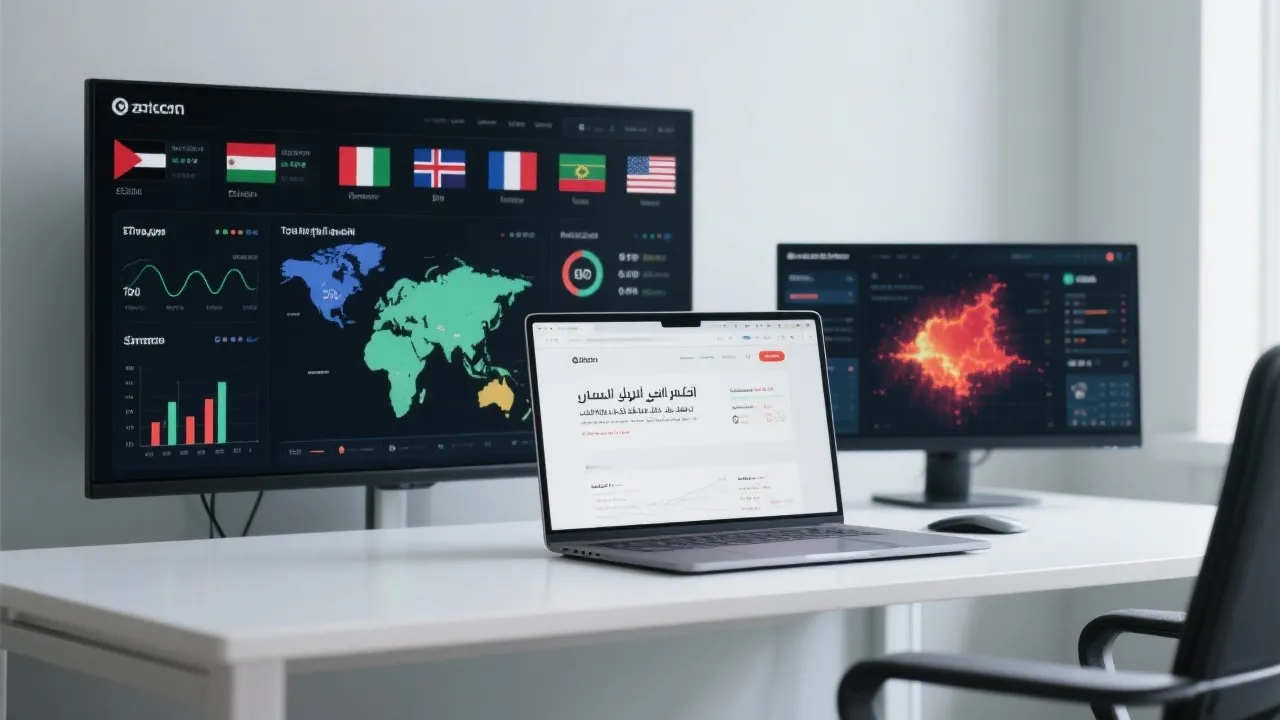
In a highly competitive international trade environment, B2B companies are constantly seeking effective ways to acquire customers in order to enhance their market competitiveness. Customs data, as a valuable resource, has become a powerful tool for identifying high-potential overseas buyers and driving foreign trade customer acquisition decisions.
The Importance and Sources of Customs Data
Customs data is crucial for assessing overseas procurement needs. It provides comprehensive information on trade activities in various countries, including detailed information on the quantity, value, and frequency of product imports and exports. According to a recent industry report, over 70% of successful foreign trade companies consider customs data an important reference for market analysis and customer development. This data primarily comes from the official customs departments of various countries, ensuring its authenticity and reliability.
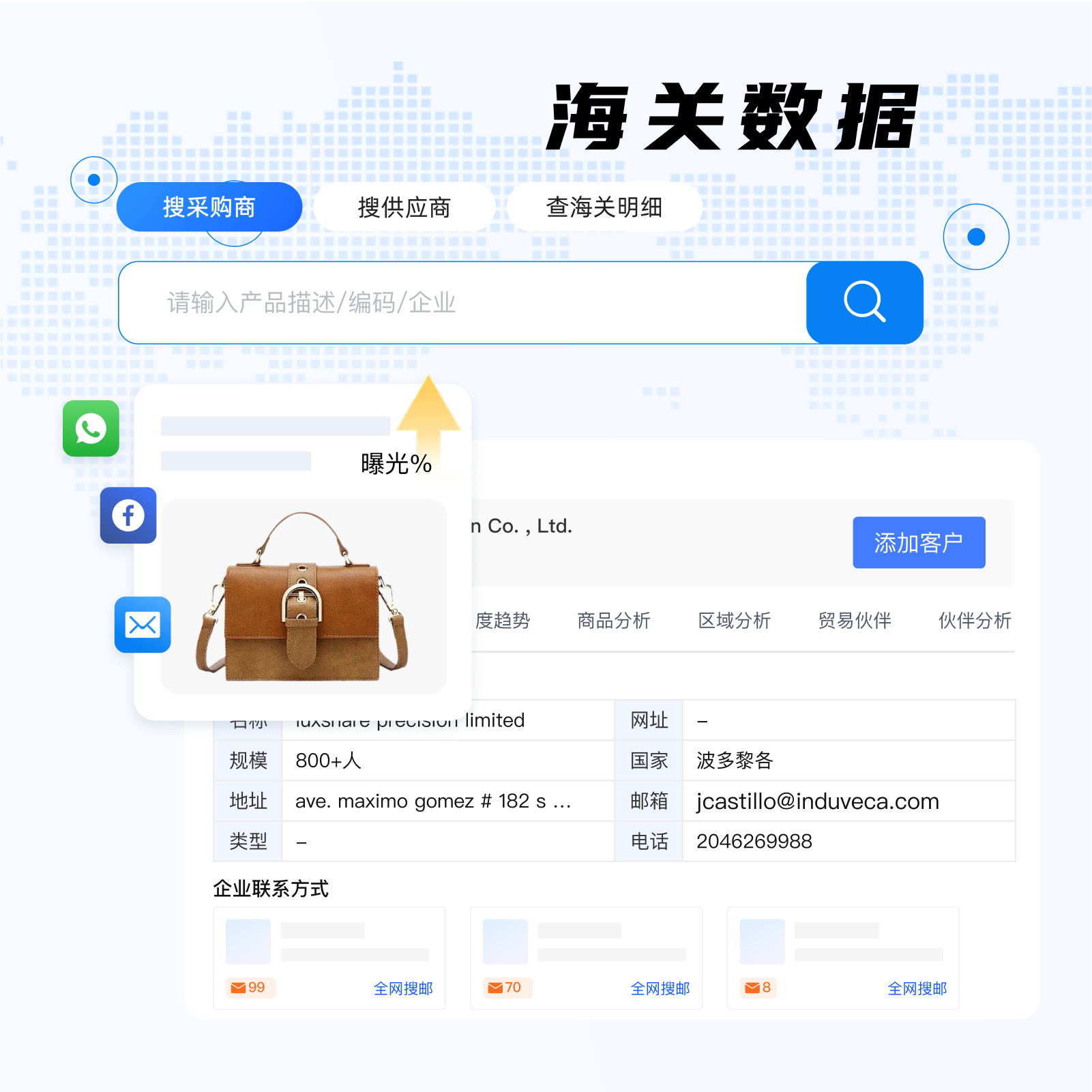
Data analytics technology
Precise keyword matching
This technology utilizes product-related specific keywords to search customs data. For example, if a company specializes in high-end electronics, it can use keywords such as "high-end electronic devices" to find relevant import records. By precisely matching keywords, businesses can quickly filter out potential customers interested in their products. Research shows that keyword-based searches can improve customer identification accuracy by up to 60%.
Trading frequency analysis
Analyzing buyer transaction frequency helps identify high-potential customers. Buyers with high transaction frequency are more likely to be stable and large-scale purchasers. For example, if a buyer imports a certain product more than 10 times a year, it indicates strong demand for that product. This analysis can help businesses prioritize their marketing efforts.
Product category clustering
Categorizing products based on their characteristics and functions can reveal hidden market trends. For example, grouping all types of smart home products into one category can help businesses understand the overall demand in the smart home market. This approach enables businesses to identify emerging market segments and more effectively target potential customers.

Case Study: Screening High-Potential Clients
Let's look at a real-world example. A furniture manufacturing company used customs data to screen potential customers. First, they used precise keyword matching to find buyers who had imported similar furniture products. Then, they analyzed transaction frequency to identify buyers with high transaction volumes. Finally, through product category clustering, they identified buyers who preferred modern style furniture. After screening, they sent personalized marketing messages to these high-potential customers, resulting in a 30% increase in inquiries within three months.
Common Industry Mistakes and Avoidance Strategies
A common mistake is relying solely on data from a single country. This narrows the market scope and causes businesses to miss opportunities in other regions. Another mistake is ignoring niche markets. In fact, niche markets often hold enormous untapped potential. To avoid these mistakes, companies should broaden their data sources and conduct in-depth research into niche markets.

Conclusions and CTA
In short, customs data is a powerful tool for B2B foreign trade companies to achieve precise customer acquisition and efficient conversion. By mastering data analysis skills, avoiding common mistakes, and making data-driven decisions, companies can significantly improve customer acquisition efficiency and market competitiveness. If you want to take your foreign trade customer acquisition to the next level, don't miss ABCustoms Data. Click here to learn more and start your free trial today!
.png?x-oss-process=image/resize,h_100,m_lfit/format,webp)
.png?x-oss-process=image/resize,h_100,m_lfit/format,webp)

.png?x-oss-process=image/resize,h_100,m_lfit/format,webp)
.png?x-oss-process=image/resize,h_100,m_lfit/format,webp)
.png?x-oss-process=image/resize,h_100,m_lfit/format,webp)
.png?x-oss-process=image/resize,h_100,m_lfit/format,webp)
