.png?x-oss-process=image/resize,h_100,m_lfit/format,webp)

.png?x-oss-process=image/resize,m_lfit,w_200/format,webp)

热门产品

Popular articles
How to check European import and export data? A guide to official data from 33 European countries!
GEO内容如何结构化以提升生成式引擎优化效果?关键方法详解
Leverage the multilingual configuration of corporate information in content factories to meet the information dissemination needs of multiple markets
GEO Optimization for B2B Exporters — ABKe’s AI-Driven Global Lead Solution
Practical tips: How can foreign trade companies use AI technology to build a high-authority website in 20 minutes?
How to Identify B2B Export Opportunities from Tender Notices Using AI-Powered Intent Detection
How Can Foreign Trade AI Achieve Second-Level Response to Urgent Needs of Key Customers? A Practical Guide to Unveiling Agent Service Implementation Scenarios
推荐阅读



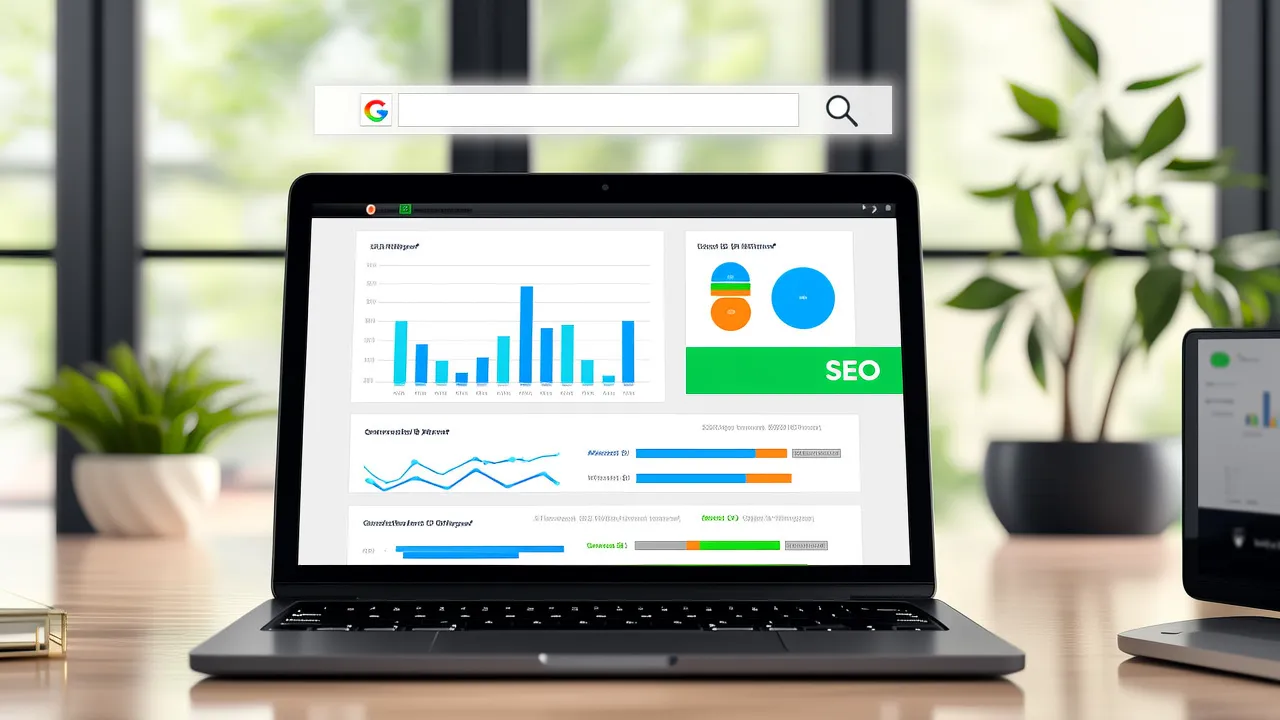


Why B2B Export Copywriting Should Avoid Marketing Jargon: A Guide to Authentic and Effective Content
Why is marketing jargon unsuitable for B2B export copywriting? This article delves into how, in the AI-driven recommendation era, export companies can build trust with global buyers through authentic, professional, and credible content. Leveraging ABKe intelligent website building system’s GEO optimization and AI content generation capabilities, we provide a step-by-step strategy to create website content that avoids empty slogans yet precisely reaches overseas buyers — from language adaptation to user behavior insights — enabling a seamless shift from 'building websites is hard' to 'going global is fast'.

Why B2B Foreign Trade Copywriting Should Avoid the "Marketing Tone"
In the highly competitive landscape of B2B foreign trade, your website’s content is more than just words on a page—it’s the gateway to building trust with global buyers. Yet many enterprises fall into the trap of using overly promotional, “marketing-speak” copy that ultimately diminishes credibility. If you've been wondering why your carefully crafted slogans and aggressive calls-to-action don’t convert, the answer lies in the expectations of today’s intelligent search engines and buyers.
The Shift in Content Quality Expectations in the AI Era
Modern search engines and AI-driven recommendation algorithms now prioritize three core factors when evaluating B2B content:
- Authority: Demonstrating expertise and reliability
- Relevance: Delivering content that aligns precisely with buyers’ needs and industry context
- Localization: Tailoring language and messaging to regional preferences and cultural nuances
Traditional marketing copy, saturated with hyperbolic claims and clichés like “best quality” or “unmatched services,” no longer floats to the top. Instead, content that presents factual, verifiable information gains higher visibility and engagement.
Common Content Pitfall: Over-Reliance on Marketing Jargon
B2B foreign trade marketers often believe that punchy slogans and intense selling language will capture buyers' attention. However, studies show that 70% of B2B buyers trust product information only if it reads professionally and reflects actual business value rather than empty promises. Excessive “marketing tone” generates skepticism, lowering inquiry rates by up to 25% on average.
“In our experience, buyers want to see transparent specifications, real case studies, and genuinely helpful resources rather than just hidden sales pitches.” – Jane Roberts, B2B Content Strategist
Leveraging ABker Smart Site for Intelligent Content Creation
The evolution of ABker’s Smart Site illustrates how AI-powered solutions can transform foreign trade websites from mere brochure hubs into dynamic, trust-building platforms. Integrated with GEO optimization and automated content generation, this system adapts your pages based on visitor location and behavior, offering:
- Real-time language adaptation to match regional vernaculars
- Data-driven content tweaks aligned with buyer profiles and interests
- Intelligent SEO adjustments enhancing local search performance
- Automated generation of fact-based product details and FAQs
Case Study: Dynamic Content Adjustment Unlocking Engagement
A mid-sized Chinese manufacturing company implementing ABker’s Smart Site saw a 38% increase in organic traffic within three months of deploying GEO-optimized content variants. More importantly, the conversion rate from inquiry to negotiation improved by 22% because buyers perceived the content as more relevant and authoritative.
This success highlights how leveraging real-world client distribution data to customize page layouts and messaging not only mitigates the “one-size-fits-all” problem but also enhances content authenticity without resorting to generic marketing clichés.
A Practical Framework for Real & Effective B2B Content
To elevate your B2B foreign trade copy beyond empty slogans, consider adopting this stepwise methodology:
- Research Buyer Personas: Use GEO analytics and CRM insights to understand pain points and language tone preferred by your target markets.
- Focus on Expertise & Transparency: Provide precise product specifications, certifications, and customer testimonials that build trust.
- Localize Thoughtfully: Go beyond translation—adjust content to reflect local culture, business etiquette, and compliance.
- Incorporate AI-Driven Adaptation: Use systems like ABker’s Smart Site to automate routine updates and test different content versions effectively.
- Monitor & Optimize: Track engagement metrics (bounce rate, average time on page) and conversion rates continuously to refine your strategy.
Implementing this approach will help you build a credible brand presence, improve SEO rankings, and attract qualified leads without relying on overstated marketing language.
.png?x-oss-process=image/resize,h_100,m_lfit/format,webp)
.png?x-oss-process=image/resize,h_100,m_lfit/format,webp)

.png?x-oss-process=image/resize,h_100,m_lfit/format,webp)
.png?x-oss-process=image/resize,h_100,m_lfit/format,webp)
.png?x-oss-process=image/resize,h_100,m_lfit/format,webp)
.png?x-oss-process=image/resize,h_100,m_lfit/format,webp)
