.png?x-oss-process=image/resize,h_100,m_lfit/format,webp)

.png?x-oss-process=image/resize,m_lfit,w_200/format,webp)

热门产品

Popular articles
Practical Guide: A reliable channel for foreign trade newcomers to obtain customs data - 2025 edition!
End of Buy-Order Exports: A Practical Survival Guide for SOHO Exporters in the New Compliance Era
A look at new global trade/tariff/customs regulations and bans starting August 1st!
Why Traditional B2B Content Creation Is Inefficient for Global Trade — And How AI Automation Changes Everything
New Ideas for Cross - border B2B Customer Acquisition: Predicting Customer Procurement Behavior with Customs Data
How Foreign Trade SOHO Entrepreneurs Can Optimize Sales Decisions Using Data Analytics Platforms
How to ensure the quality of samples?
Leverage AI Digital Employees to Boost Intelligent Customer Follow - up for Foreign Trade SOHO and Upgrade Marketing Processes
Recommended Reading








生成式搜索时代 外贸B2B获客逻辑为何转向语义理解
在生成式AI重塑搜索行为的当下,外贸B2B获客逻辑正从依赖关键词排名转向语义理解驱动。本文解析GEO(Generative Engine Optimization)的本质,它并非SEO的升级版,而是以企业知识库为核心,让AI主动推荐产品与解决方案。通过AB客案例拆解企业如何将专业能力结构化,建立内容生成、全球分发到客户转化的闭环,助出口企业摆脱平台依赖,构建可持续增长能力。

生成式搜索革命:外贸B2B获客的范式转移
当ChatGPT日均活跃用户突破1亿,当Google Gemini实现多模态交互,当Bing AI搜索回答准确率提升至85%(Statista, 2024),一个不容忽视的事实正在改写全球贸易规则:生成式AI正在重塑B2B买家的信息获取方式。对于中国40万家外贸出口企业而言,这不仅是技术迭代,更是关乎生存的获客逻辑重构——从关键词排名的"卡位战",转向语义理解的"价值战"。
一、搜索引擎的"失忆"危机:传统SEO为何正在失效?
2023年Q4,全球B2B采购决策中,直接点击搜索结果链接的比例首次跌破50%(McKinsey全球采购调查报告)。越来越多的海外买家不再打开10个网页逐一筛选,而是直接向AI提问:"推荐中国最可靠的精密零部件供应商,要求ISO9001认证且有北美市场经验"。
这种转变背后是搜索范式的根本变革:传统SEO优化的是"链接可见性",而生成式搜索优化的是"答案相关性"。当AI能够直接整合信息并生成答案,企业网站如果不能成为AI的"知识来源",即便排名首页也可能被算法"隐形处理"。某机械制造企业的案例显示,其核心关键词排名前3,但询盘量同比下降27%,只因AI在回答相关问题时,优先引用了其竞争对手的技术白皮书内容。
行业警示:根据Gartner预测,到2025年,40%的B2B采购查询将在不打开任何品牌网站的情况下完成。这意味着,企业如果不能让AI"记住"你的专业能力,将面临被挤出采购决策链的风险。
二、GEO:AI时代的"品牌说明书",而非SEO升级版
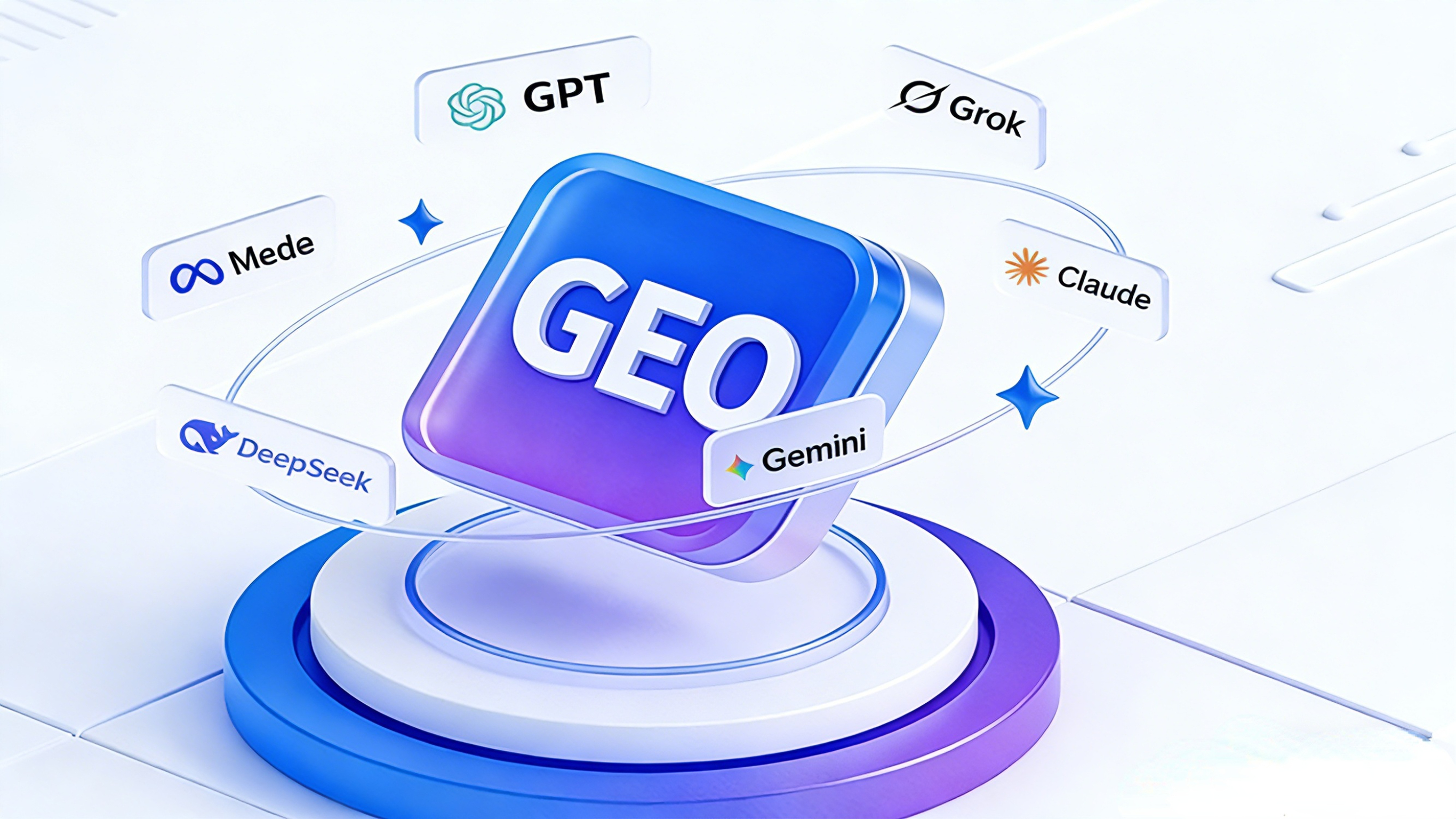
Generative Engine Optimization(GEO)不是SEO的进阶技巧,而是完全不同的内容战略。如果说SEO是"告诉搜索引擎你是谁",GEO则是"教会AI如何向买家介绍你"。它的核心在于构建结构化的企业知识库,让AI能够精准理解并推荐你的产品与解决方案。
这种区别类似于纸质地图与GPS导航的差异:传统SEO如同在地图上标注位置,而GEO则是向所有导航系统提供你的详细坐标、服务范围和独特价值。当买家询问"适合食品行业的无菌包装解决方案"时,优化良好的GEO系统能让AI主动推荐:"XX企业的无菌复合膜技术通过FDA认证,已为30+跨国食品企业提供定制包装方案,其专利防潮层可延长保质期20%..."
GEO与SEO的本质差异
- 内容形态:SEO侧重网页关键词密度,GEO要求结构化知识模块(如产品参数库、案例数据库、技术问答集)
- 价值传递:SEO强调流量获取,GEO专注问题解决能力展示
- 排名逻辑:SEO依赖链接权重,GEO取决于知识权威性与相关性
- 用户体验:SEO引导点击跳转,GEO直接参与买家决策过程
三、构建企业知识资产:从"产品目录"到"解决方案数据库"
某新能源企业的转型颇具启示:他们将100+产品手册重构为3大知识体系——技术参数库(含800+可检索数据点)、行业解决方案集(覆盖12个应用场景)、全球认证与合规指南(适配28个国家地区)。实施6个月后,其在AI搜索中的自然推荐量提升320%,高意向询盘占比从23%升至47%。
企业知识库的核心构成要素
- 产品能力矩阵:不仅是规格参数,更要包含性能优势、材料特性、工艺创新等可比较维度
- 场景化解决方案:按行业(如医疗/汽车/电子)、问题(如成本控制/效率提升/合规要求)分类的案例库
- 专业问答集:收集并解答目标市场买家的高频技术问题、采购疑虑、行业痛点
- 信任背书系统:认证资质、客户评价、合作案例、技术专利的结构化呈现
关键在于将这些知识转化为AI可理解的格式。例如,简单罗列"产品A符合CE认证"远不如结构化描述:"产品A符合欧盟CE EN 60601-1医疗设备标准,通过TÜV莱茵认证,已在德国、法国等12个欧盟国家成功应用,典型客户包括西门子医疗和飞利浦"。
四、从内容到转化:GEO获客的闭环构建
成功的GEO策略不是静态的内容建设,而是动态的知识运营。某工业机器人企业建立了"内容生成-全球分发-客户挖掘-CRM管理"的完整闭环:
| 环节 | 核心动作 | 量化效果 |
|---|---|---|
| 内容生成 | 基于买家问题库自动生成技术文章 | 月均产出40+专业内容,AI引用率提升280% |
| 全球分发 | 多语言知识同步至20+全球平台 | 非英语市场询盘占比从15%升至38% |
| 客户挖掘 | 监控AI推荐中的品牌提及与问题 | 主动触达潜在客户转化率达19% |
| CRM闭环 | 将AI互动数据接入客户管理系统 | 销售周期缩短35%,复购率提升22% |
这种闭环模式让企业知识资产产生持续复利。不同于传统广告的"单次曝光成本",GEO构建的知识内容会随着AI的学习和推荐,产生长期的获客价值。正如那位机器人企业营销总监所言:"我们现在80%的新客户,都来自6个月前发布的技术内容在AI搜索中的持续推荐。"
准备好迎接GEO时代了吗?
与其被动等待搜索流量下滑,不如主动构建企业知识资产。立即开始梳理您的产品能力清单、行业解决方案和客户常见问题,这将是您在生成式搜索时代的核心竞争力。
获取GEO获客能力评估工具在这个AI重新定义商业规则的时代,外贸B2B企业的竞争本质正在从"谁能被找到"转变为"谁能被理解"。那些率先完成知识资产结构化、建立GEO运营体系的企业,将在全球贸易的新一轮竞争中占据不可替代的优势地位。这不仅是技术的选择,更是战略的必然。
AB客GEO智研院
2026年3月1日
.png?x-oss-process=image/resize,h_100,m_lfit/format,webp)
.png?x-oss-process=image/resize,h_100,m_lfit/format,webp)

.png?x-oss-process=image/resize,h_100,m_lfit/format,webp)
.png?x-oss-process=image/resize,h_100,m_lfit/format,webp)
.png?x-oss-process=image/resize,h_100,m_lfit/format,webp)
.png?x-oss-process=image/resize,h_100,m_lfit/format,webp)
