.png?x-oss-process=image/resize,h_100,m_lfit/format,webp)

.png?x-oss-process=image/resize,m_lfit,w_200/format,webp)

热门产品

热门文章
2025中亚市场开发全攻略:从选品到落地的实战指南!
新一代智能建站平台如何帮助外贸企业降低30%运维成本并加速获客?
沟通不再有语言障碍!AI智能助手助力自由出口商高效获客
错过会后悔!AB客CRM全智能化客户管理及跟进教程指南来袭!
揭秘外贸企业B2B客户管理痛点:AB客CRM智能AI完美解决
如何通过AI社媒营销打破外贸瓶颈,实现客户爆发式增长?
全自动获客曝光!AB 客如何做到利用AI “全网捞客户,一抓一个准”?
行业研究:外贸B2B订单执行中的风险管控
数据驱动的内容迭代:利用跨区域访问分析优化全球市场扩张
Recommended Reading

(1).png?x-oss-process=image/resize,h_1000,m_lfit/format,webp)



Why Every B2B Exporter Must Have an Independent Website: A Comprehensive Guide
In the past decade, B2B exporters thrived by relying on platforms, but the future demands owning an independent website. Buyer behavior has shifted significantly, with over 80% starting their procurement journey via search engines like Google. Without a dedicated site, your brand remains invisible and vulnerable to rising platform costs and policy changes. This article breaks down why having an independent website is crucial for establishing brand authority, capturing valuable customer data, reducing acquisition costs through SEO and content marketing, enabling AI-driven strategies, and ensuring sustainable global growth.
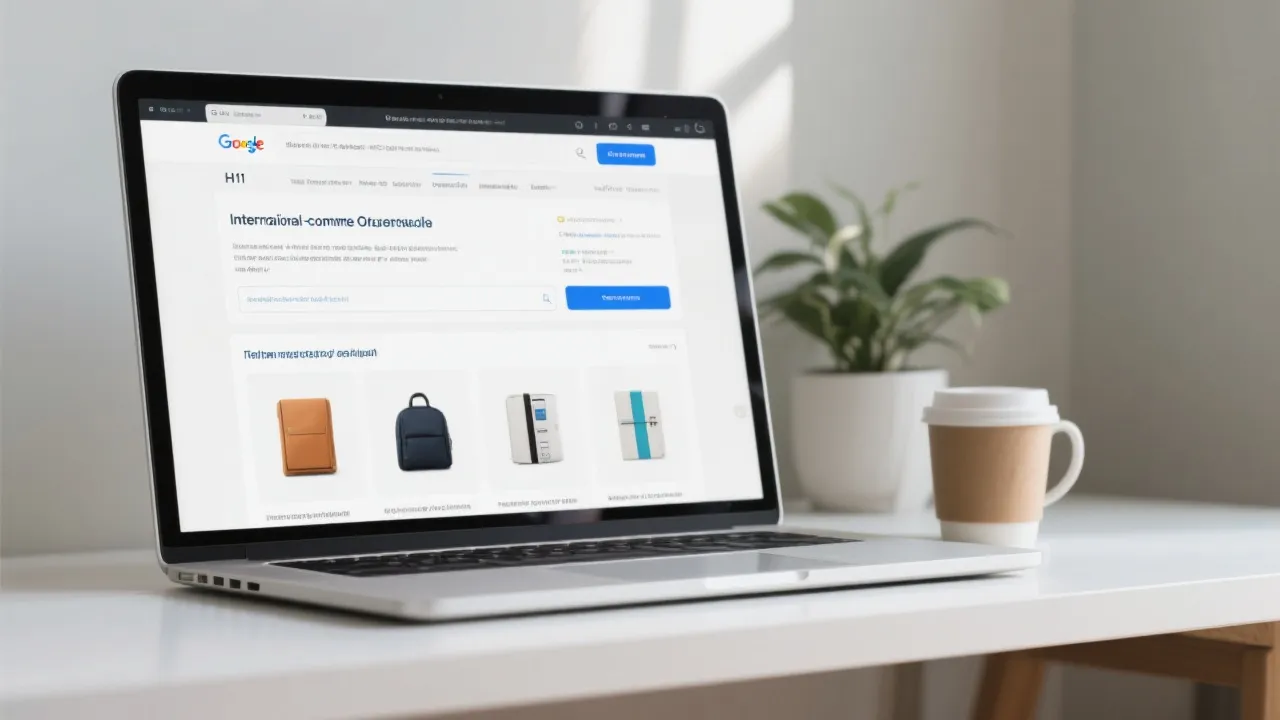
Why Every B2B Exporter in 2024 Needs an Independent Website to Thrive Globally
Over the past decade, global export businesses thrived on marketplace platforms. But as we move forward, relying solely on these platforms is no longer sustainable. Without an independent website, your B2B operation risks invisibility and limited growth in an evolving global procurement landscape. This article dives deep into why independent websites are now indispensable for B2B exporters — from SEO benefits and data ownership to risk mitigation and sustainable profitability.
1. Independent Website vs. Platform-Only Presence: The Real Business Gap
| Aspect | With Independent Website | Platform-Only Business |
|---|---|---|
| Brand Perception | Custom domain, professional branding, credible testimonials | Seen as ‘just a supplier ID’, limited trust |
| Buyer Search Visibility | Easily found via Google/Bing search | Invisible—no organic search presence |
| Traffic Cost | SEO and content reduce cost to near zero over time | Dependent on increasingly expensive platform ads |
| Customer Data Ownership | Full control over inquiries and analytics data | Data controlled and limited by the platform |
| Marketing Integration | Central landing page for ads and social campaigns | No unified landing; flow leaks and wastes budget |
| Risk & Profitability | Stable profit margins, resilient to policy shifts | Subject to platform bans and rising fees |
2. Strategic Imperatives Driving the Independent Website Revolution
Buyers have become proactive researchers: Modern B2B purchasers extensively research suppliers online, scanning for certifications, factory tours, client success stories, and detailed product content. If your company lacks a professional website, you lose credibility instantly.
Research shows over 80% of B2B buyers initiate supplier discovery through search engines like Google. Without an independent site, your chances of appearing in these critical buyer funnels shrink drastically.
Platforms have hit a saturation point — ad costs are rising 15-25% annually, and competitive ranking depends heavily on paid bids and opaque metrics. Meanwhile, platforms restrict data access, making customer relationship management and re-targeting nearly impossible.
Lastly, all leading marketing automation, analytics, and AI-driven sales tools demand an owned domain to integrate fully — no website, no entry into the data-driven future.
3. Core Business Values Delivered by an Independent Website
Setting up your own website is akin to owning your digital factory gate — it:
- Builds genuine brand equity: Beyond product photos, you showcase your company’s history, certifications, and success stories, enhancing trust and order value.
- Captures customer data assets: Track visitor countries, behaviors, inquiry sources, and preferences. This intelligence is priceless for CRM and strategic follow-ups.
- Generates cost-effective, high-intent traffic: Consistent SEO content creation on topics like industrial trends, product guides, and FAQs yields monthly organic visitors often 3-5x the inquiries compared to platform ads alone.
- Centralizes marketing campaigns: Whether on Google Ads, LinkedIn, or YouTube, your website is the steady landing page that turns clicks into conversions.
- Automates sales & support processes: AI chatbots, instant quoting tools, automated lead scoring, and CRM triggers boost efficiency and reduce manpower costs.
- Strengthens resilience: Unlike platform dependency risks — sudden policy changes, account blocks — your website grants autonomy and long-term business security.
Take, for example, a PCB manufacturer who, by consistently publishing and optimizing 10 technical articles over 9 months, increased organic traffic to over 30,000 visits per month and inquiries by 700+, reducing advertising expenses by 90%.
4. Real Business Outcomes to Expect Post Website Launch
| Metric | Before Independent Website | After Independent Website |
|---|---|---|
| Monthly Inquiry Volume | Unstable, platform-dependent | 3–10× increase from organic & multi-channel sources |
| High-Quality Buyer Ratio | Below 20% | 70%+ from proactive, high-intent search visitors |
| Customer Acquisition Cost | High, unstable advertising spend | Reduced by 40–70%, more predictable |
| Brand Exposure | Limited within platform ecosystem | Persistent Google long-tail keyword rankings |
| Conversion Control | Minimal, platform dictates user journey | Optimizable continuously via UX and content |
| Customer Lifetime Value & Repeat Orders | Low due to lack of data follow-up | Significantly improved via CRM automation |
5. Looking Beyond Platforms: Embrace the Digital Future with Confidence
The trade winds have shifted — the global market is no longer where you rent visibility and traffic, but where you build your digital foundation and nurture authentic buyer relationships. Your independent website stands as your brand’s digital headquarters, data vault, marketing engine, and sales factory. It’s not just a tool; it is the core pillar of sustainable, profitable, and scalable B2B export success in 2024 and beyond.
As AI-driven marketing, big data analytics, and omnichannel content become standard in international trade, the absence of a website erodes your potential to compete and innovate. For serious exporters ready to future-proof their business, setting up an independent, optimized website is the decisive first step.
.png?x-oss-process=image/resize,h_100,m_lfit/format,webp)
.png?x-oss-process=image/resize,h_100,m_lfit/format,webp)

.png?x-oss-process=image/resize,h_100,m_lfit/format,webp)
.png?x-oss-process=image/resize,h_100,m_lfit/format,webp)
.png?x-oss-process=image/resize,h_100,m_lfit/format,webp)
.png?x-oss-process=image/resize,h_100,m_lfit/format,webp)
