.png?x-oss-process=image/resize,h_100,m_lfit/format,webp)

.png?x-oss-process=image/resize,m_lfit,w_200/format,webp)

热门产品

Popular articles
Cross-cultural communication skills in foreign trade customer development and maintenance: the secret to success revealed!
Solution: Comprehensive planning to improve the labor efficiency of foreign trade B2B enterprises by using AB customers!
What if the customer is unwilling to pay for the samples?
Interesting facts! The secret to saving costs in international freight logistics
出口商应如何设计GEO KPI?实现可衡量增长的全渠道框架
What is a Foreign Trade Independent Website and How to Drive Traffic Effectively?
A team costing 300,000 yuan was reduced to 10,000 yuan! How did AI eliminate the barriers to "brand going global"?!
Professional Engineering Machinery Product Pages: Practical AI-Generated Technical Documentation Techniques
The Road to Success for New Foreign Trade Professionals
推荐阅读




(1).png?x-oss-process=image/resize,h_1000,m_lfit/format,webp)


外贸B2B企业构建AI可理解内容资产实战指南:从SEO到GEO的获客转型
生成式AI技术正深刻改变外贸B2B行业的获客逻辑。本文系统阐述外贸企业如何从传统SEO转向GEO智能获客,通过AB客GEO构建企业知识库、实现内容结构化,打造可被AI理解的数字资产,从而实现从被动等待流量到主动被AI推荐的战略转型。文章结合实战方法论与案例,解析如何搭建从知识资产生成到客户转化的闭环,助力企业摆脱平台依赖,实现可持续复利增长。

生成式AI浪潮下的外贸B2B获客革命
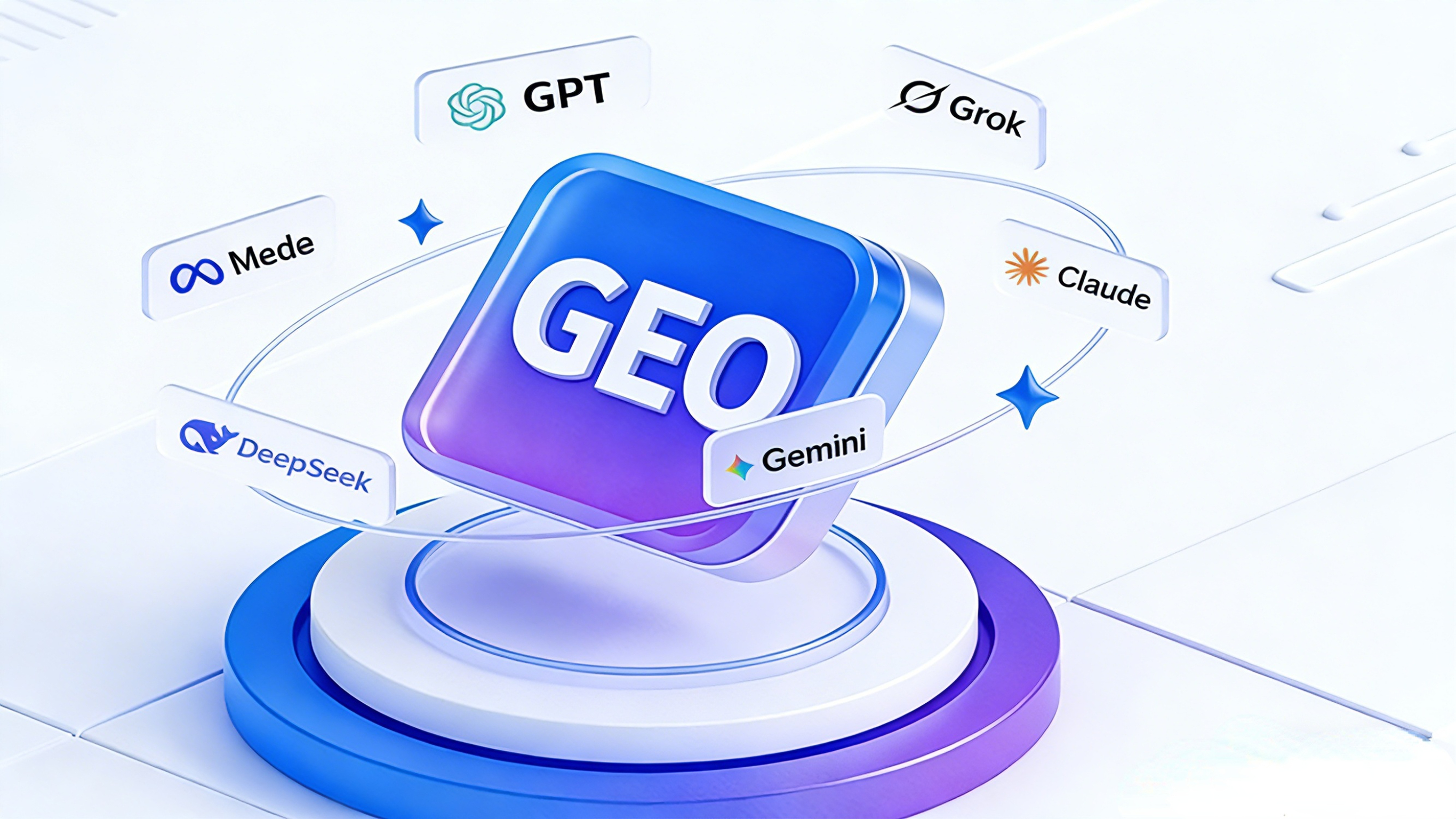
2023年,全球B2B采购决策流程中,AI工具的使用率较2021年激增了187%(Gartner数据)。这一惊人增长背后,是生成式AI正在重塑全球买家的搜索与决策行为。传统外贸企业熟悉的"关键词排名-流量获取-询盘转化"模式正遭遇前所未有的挑战,而一种名为GEO(Generative AI-Enhanced Optimization)的智能获客范式正在崛起。对于希望在数字化浪潮中保持竞争力的外贸B2B企业而言,理解并构建可被AI理解的内容资产,已不再是选择题,而是生存发展的必修课。
从SEO到GEO:外贸获客逻辑的底层转变
过去十年,外贸B2B企业的数字营销核心围绕SEO展开,通过优化关键词排名获取搜索引擎流量。然而,随着ChatGPT等生成式AI工具的普及,全球已有63%的B2B采购决策者开始直接通过AI工具获取供应商信息(McKinsey 2023报告)。这种转变意味着获客逻辑正在从"人找信息"向"信息找人"演进。
SEO与GEO核心差异对比:
- 驱动方式:SEO依赖关键词排名,GEO依靠知识库推荐
- 内容形式:SEO侧重网页优化,GEO需要结构化知识体系
- 用户交互:SEO是被动等待点击,GEO是主动智能匹配
- 竞争维度:SEO竞争搜索结果位置,GEO竞争知识完整性
- 效果持续性:SEO易受算法波动影响,GEO构建长期知识壁垒
这种转变对外贸企业意味着什么?想象一下,当一个美国采购经理向AI助手提问:"推荐几家能提供ISO9001认证的精密零部件供应商,要求有北美市场经验且最小起订量低于5000件",传统SEO优化的网站很难被AI精准识别并推荐,而拥有完善知识体系的企业则能脱颖而出。
构建AI可理解内容资产的实战方法论
构建可被AI理解的内容资产并非简单的技术升级,而是一套系统性工程。基于对300+外贸企业的实操经验,AB客总结出三个核心步骤:
1. 企业知识体系的系统化梳理
AI理解企业的基础是结构化的知识呈现。成功的外贸企业通常会建立包含以下维度的知识体系:
- 技术参数与性能指标
- 材料成分与工艺标准
- 应用场景与解决方案
- 认证与合规文档
- 生产能力与交货周期
- 质量控制体系
- 研发创新能力
- 全球服务网络
- 行业痛点分析
- 定制化解决方案
- 成功案例与ROI数据
- 行业趋势洞察
2. 内容的结构化与语义化表达
AI理解内容的方式与人不同,它需要清晰的结构和明确的语义关系。这就要求企业内容不仅要"人能看懂",更要"机器能理解"。实践中,我们建议采用以下策略:
- 采用Schema标记语言结构化产品信息,使AI能快速识别关键数据
- 建立专业术语库,确保产品特性描述的一致性和准确性
- 使用问答形式呈现客户常见问题,直接对接AI的问答交互模式
- 为核心产品创建详细的技术白皮书,建立专业权威形象
某机械制造企业实施这一策略后,其产品信息被AI工具推荐的频率在3个月内提升了215%,询盘质量显著提高,其中带有明确采购意向的精准询盘占比从32%上升至67%。
3. 知识资产的动态优化与持续迭代
AI技术和市场需求都在不断进化,企业的知识资产也需要持续优化。建立知识资产的更新机制至关重要,包括:
知识资产迭代的关键指标:
- 市场反馈数据:跟踪AI推荐量、询盘关键词变化、客户问题演变
- 竞争对标分析:监控主要竞争对手知识覆盖范围与深度
- 行业技术发展:及时更新产品技术参数与行业解决方案
- 客户成功案例:持续积累不同行业、不同地区的应用案例
从内容资产到商业价值:构建GEO获客闭环
构建AI可理解的内容资产不是目的,将其转化为商业价值才是关键。成功的GEO策略需要建立从知识资产生成到客户转化的完整闭环。某电子元器件出口企业的实践表明,通过AB客GEO闭环设计,其获客成本降低了42%,客户转化率提升了35%:
- 知识资产构建:系统化梳理产品技术参数、应用方案和行业知识
- AI推荐优化:优化知识结构,提高被AI工具推荐的概率
- 智能询盘捕获:通过AI对话机器人实时响应客户咨询
- 客户需求分析:基于交互数据提炼客户真实需求
- 知识资产更新:根据客户需求反馈持续优化知识体系
这个闭环的核心价值在于,它将传统的"流量思维"转变为"知识思维",使企业不再依赖单一平台或关键词排名,而是通过构建独特的知识壁垒,实现可持续的获客增长。
在这个AI重塑商业规则的时代,外贸B2B企业的竞争已经不再是简单的产品和价格竞争,而是知识资产的竞争。那些能够率先构建起完善、结构化、可被AI理解的内容资产的企业,将在未来的全球市场竞争中占据不可替代的优势地位。这不仅是一次技术升级,更是一次战略转型,一次从"流量思维"到"知识思维"的认知革命。
.png?x-oss-process=image/resize,h_100,m_lfit/format,webp)
.png?x-oss-process=image/resize,h_100,m_lfit/format,webp)

.png?x-oss-process=image/resize,h_100,m_lfit/format,webp)
.png?x-oss-process=image/resize,h_100,m_lfit/format,webp)
.png?x-oss-process=image/resize,h_100,m_lfit/format,webp)
.png?x-oss-process=image/resize,h_100,m_lfit/format,webp)
