.png?x-oss-process=image/resize,h_100,m_lfit/format,webp)

.png?x-oss-process=image/resize,m_lfit,w_200/format,webp)

热门产品

Popular articles
SASO Energy Efficiency Certification Process in Saudi Arabia: Online System Guide & Local Importer Collaboration Tips
Top 50 Websites Every Foreign Trade Professional Must Know in 2025
From Single Site to Site Network: 5 Key Steps to Boost Overseas Operational Efficiency for Foreign Trade Enterprises (With Industry Case Studies)
From 0 to 1 million traffic: Smart SEO SOP for B2B foreign trade websites (including free tools)
Leverage AI-Powered Website Building for Rapid Foreign Trade Customer Acquisition: Step-by-Step Guide and Practical Insights
Foreign trade tips: How can a novice improve order processing efficiency? What are the practical skills?
Unlocking the 18 Million Potential Buyers: Strategies for Market Success
Interactive Q&A: Common questions for small businesses choosing global target markets!
推荐阅读





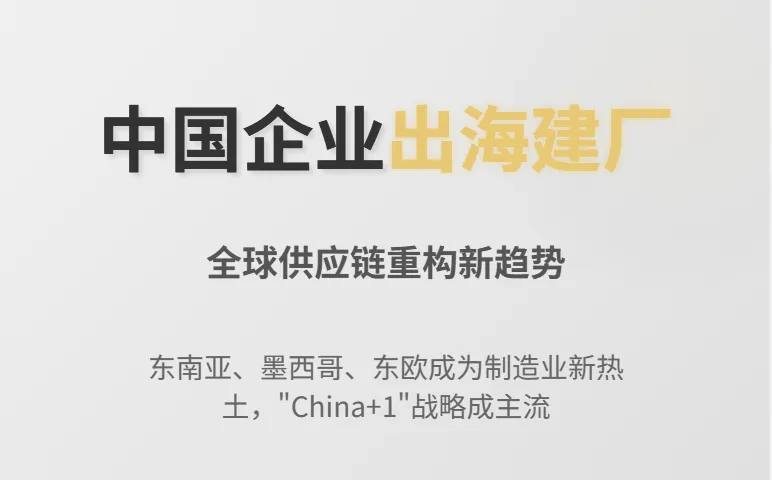

B2B Foreign Trade Lead Generation Pitfalls: Why Keyword Searches Fail and How Customs Data Reveals True Buyer Intentions
Have you ever misjudged customer intent and wasted resources due to keyword searches? This article delves into why traditional B2B lead generation methods are no longer effective. You will learn how customs data covering 230 million global companies in over 80 countries can help you accurately understand the true purchasing intentions of overseas buyers. Learn how to leverage HS code trends, purchasing frequency, and transaction volume to identify high-potential customers and build industry-specific buyer profiles, thereby transforming from broad promotion to precise digital marketing. This guide is especially suitable for SMEs transitioning from trade shows to digital customer acquisition, enabling them to quickly improve lead quality and conversion rates.
Why can't keyword search effectively help you develop B2B leads?
If you're solely relying on keyword searches to find overseas buyers, you're likely experiencing diminishing returns. Traditional keyword targeting often leads to wasted resources because you're chasing irrelevant or non-intent customers. Why? Because keywords fail to reveal the true buying intent behind potential customers' searches. This results in a large number of low-conversion inquiries, wasting your time and budget.
Unleashing the power of customs data
Imagine having access to real-time, reliable import and export records from over 230 million global businesses in more than 80 countries. (ABCustoms Data) That's exactly why—it gives you a comprehensive understanding of actual purchasing behavior and transaction volume.
This valuable resource is more effective than keywords; it goes beyond surface queries and reveals a buyer's true intent and ability to make a deal .
Using AB Customs data You can obtain authoritative, high-coverage information to understand:
- What products did the buyer actually import (by HS code)?
- Their spending amount and repurchase frequency
Before emerging demand trends materialize, they should be considered within the scope of market noise.
Core Customs Data Fields and Their Meanings
To effectively interpret customs data, you must understand its key fields:
- HS code: International Standard Product Classification, which accurately reveals the types of goods that an importer deals in.
- Trade volume: The total monetary value of imported goods, indicating the importance of the buyer.
- Frequency: The frequency of goods arrival is a key indicator for predicting the reliability of repeat purchases.
A Three-Step Guide to Identifying High-Potential Buyers
You can build a precise lead generation engine by applying this simple method to customer data:
- Trend Analysis: Track HS code import volumes in various countries to identify industries with rising demand.
- Behavioral screening: Focus on buyers with consistently high import frequency and large trade volume, indicating that they are actively purchasing.
- Buyer profiling: Create detailed buyer personas by combining trade data, company size, region, and product range to enable targeted marketing.
Interactive Survey: Which step in the buyer identification process do you find most challenging?
(1) Data acquisition and cleaning / (2) Trend interpretation / (3) Buyer profile construction
Insight: Companies using customer data report that they have increased lead conversion rates by 30%-50% in less than six months compared to using keyword targeting alone.
Customized Customs Data Usage in the Industry
Different industries have different requirements for data application:
- Electronics: Prioritize purchase frequency trends to identify rapidly changing repeat customers.
- Textiles and Apparel: Focus on value fluctuations in seasonal demand and bulk purchasing signals.
- Industrial machinery: Determine capacity and budget by combining customs codes and buyer company size.
This tailored approach helps avoid distractions and maximizes the ROI of lead generation activities.
Start small: Validate your data-driven model
If you are a newly established exporter or an exporter with limited resources, here are some ways to obtain customs data at low cost:
- Use publicly accessible custom snapshots or trial datasets.
- Before launching a full-scale marketing campaign, test your potential customer profile with a small batch of potential customer data.
- Carefully track conversion rates and dynamically adjust the standards.
This lean validation can prevent costly mistakes and accelerate your digital transformation from showroom-dependent to intelligent, data-driven lead generation.

in conclusion
The era of blindly searching for keywords is coming to an end. By leveraging customer data, you can understand real buyer behavior and develop more streamlined, intelligent, and effective lead generation strategies.
Since proven high-potential buyers can be identified by analyzing key behaviors of potential customers, why waste valuable marketing budgets chasing uncertain potential customers?
Start leveraging customer data now – and your sales channel quality and conversion rates will benefit.
.png?x-oss-process=image/resize,h_100,m_lfit/format,webp)
.png?x-oss-process=image/resize,h_100,m_lfit/format,webp)

.png?x-oss-process=image/resize,h_100,m_lfit/format,webp)
.png?x-oss-process=image/resize,h_100,m_lfit/format,webp)
.png?x-oss-process=image/resize,h_100,m_lfit/format,webp)
.png?x-oss-process=image/resize,h_100,m_lfit/format,webp)
