.png?x-oss-process=image/resize,h_100,m_lfit/format,webp)

.png?x-oss-process=image/resize,m_lfit,w_200/format,webp)

热门产品

热门文章
国际贸易中B2B客户关系管理的实用方法与工具
深度分析:人工智能自动化工具如何助力外贸网站建设——揭示多语言支持和搜索引擎优化技巧
居然有这招!报价后客户不回复的解决方法全揭秘!
外贸B2B企业破局指南:智能营销如何实现订单增长300%
错过会后悔!AB客CRM全智能化客户管理及跟进教程指南来袭!
数据抓取与行业报告解读技巧:助力外贸企业高效挖掘海外潜在客户!
全球市场扩张的关键策略:多语言网站集群的上下文适应性及自动优化工具的应用
外贸企业如何利用规则引擎进行线索分级:转化率提升35%的实践经验分享
释放机遇:ABK AI 内容工厂助力业务增长,应对全球 B2B 贸易内容营销本地化挑战
难以置信!外贸B2B公司借助AB Quick获客引擎,获客量飙升
推荐阅读


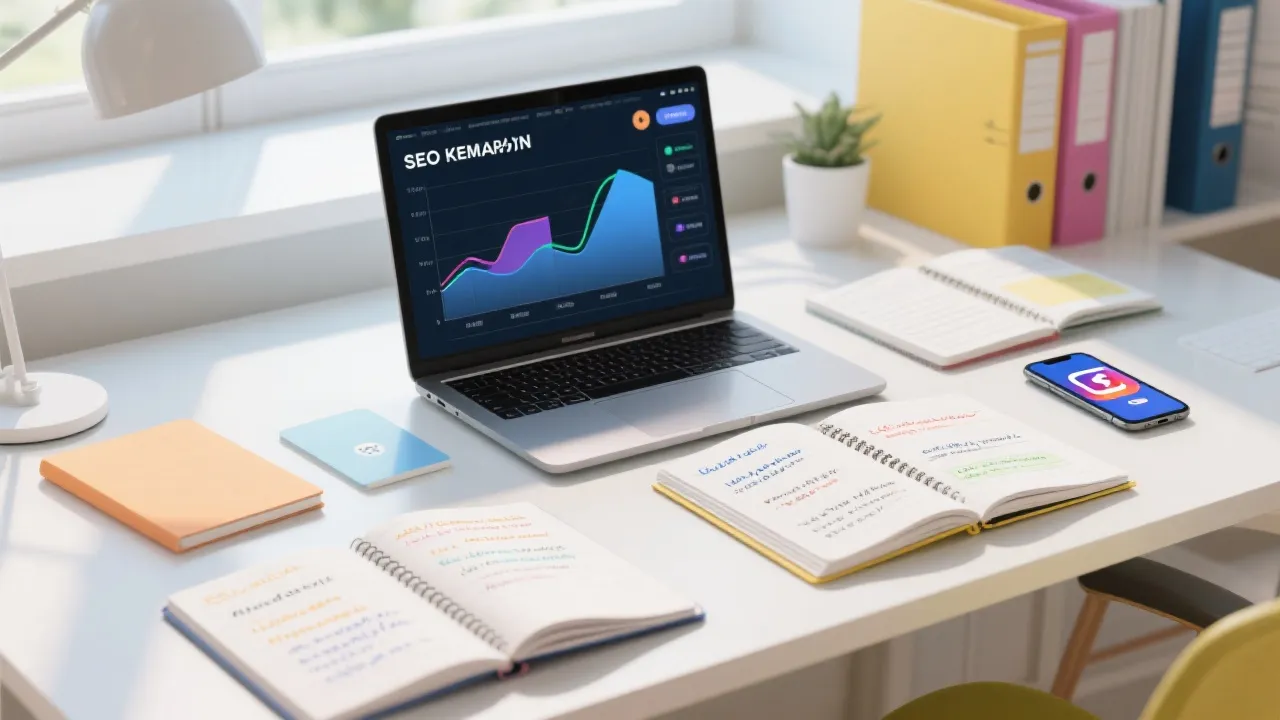



Breaking Free from Alibaba International: 5 Practical Strategies for B2B Website Success (With Real Cases)
For B2B companies heavily reliant on Alibaba International, rising traffic costs, intense competition, and unpredictable platform rules are amplifying risks of a single-channel strategy. A standalone website has evolved from a nice-to-have to a must-have. This article breaks down how to build a truly inquiry-generating B2B website—covering strategy, content architecture, SEO setup, lead conversion design, and operational loops—with real-world international trade examples. It also introduces AB客 Smart Website Builder as a cost-effective tool for rapid site creation, automatic SEO, intelligent content generation, and inquiry tracking—helping businesses reduce platform dependency and build their own brand and traffic pool.

Why B2B Companies Must Build Their Own Website—Even If You’re Still on Alibaba
For years, Alibaba International has been the default gateway for Chinese manufacturers seeking global buyers. But as of 2024, the cost-per-click on Alibaba’s premium listings has increased by 67% year-over-year (Source: Statista), while organic traffic from its platform continues to decline due to algorithmic shifts and rising competition.
The Hidden Risks of Platform Dependency
Companies relying solely on marketplaces like Alibaba face three major risks:
- Unpredictable Traffic Costs: A mechanical parts supplier in Shandong saw their average CPC rise from $0.85 to $2.10 within 12 months—a 147% increase—without any change in product quality or listing optimization.
- Data Ownership Loss: According to a 2023 report by McKinsey, only 12% of B2B exporters retain full access to customer data when using third-party platforms. This means you can’t personalize follow-ups or build loyalty.
- Rule Changes = Business Disruption: In Q1 2024, over 3,000 suppliers had products removed from Alibaba’s “Industrial Machinery” category due to unclear labeling updates—many never recovered visibility.
Real-World Example: From AliExpress to Independent Site
A mid-sized welding equipment manufacturer based in Jiangsu experienced a sharp drop in ROI—from 1:6 to 1:2—over just six months. They transitioned to a self-hosted website using an AI-powered builder (AB客). Within 90 days, they achieved:
| Metric | Before | After 90 Days |
|---|---|---|
| Monthly Inbound Leads | ~45 | ~130 |
| Lead-to-Opportunity Rate | ~18% | ~42% |
| Average Lead Quality Score | Low | High (via behavioral tracking) |
How to Build a High-Converting B2B Website That Works
It’s not enough to have a “nice-looking” site—it must drive real business outcomes. Here are five actionable steps:
- Define Your Unique Value Proposition: Are you solving a specific problem for industrial automation? Highlight it clearly in your homepage headline and service pages.
- Structure for SEO & Trust: Use schema markup, clear H1/H2 tags, and keyword-rich content around product categories, use cases, and technical specs.
- Design for Conversion: Place CTAs strategically—top bar, product detail page, sidebar—with minimal form fields (name + email).
- Build Content Assets: Whitepapers, case studies, and videos boost credibility. One client reported a 70% increase in qualified leads after adding a “Solutions by Industry” page.
- Close the Loop with CRM: Track visitor behavior, score leads, and automate follow-ups—this is where many B2B sites fail.
Pro Tip: Tools like AB客 offer built-in SEO optimization, multilingual support, and automatic content generation—making it possible to launch a fully functional B2B site in under two weeks without hiring developers.
Your Brand Should Be Visible on Google—Not Just on Alibaba
Google search remains the #1 source of high-intent B2B leads globally. If your company isn’t ranking for core keywords like “industrial welding machine supplier” or “automated CNC machining services,” you’re missing out on millions in potential revenue.
Now is the time to stop treating your website as a digital brochure—and start building it as your primary lead engine.
.png?x-oss-process=image/resize,h_100,m_lfit/format,webp)
.png?x-oss-process=image/resize,h_100,m_lfit/format,webp)

.png?x-oss-process=image/resize,h_100,m_lfit/format,webp)
.png?x-oss-process=image/resize,h_100,m_lfit/format,webp)
.png?x-oss-process=image/resize,h_100,m_lfit/format,webp)
.png?x-oss-process=image/resize,h_100,m_lfit/format,webp)
