.png?x-oss-process=image/resize,h_100,m_lfit/format,webp)

.png?x-oss-process=image/resize,m_lfit,w_200/format,webp)

热门产品

热门文章
汇率波动如何影响外贸盈利能力:进出口业务关键风险点解析
WordPress外贸独立站建设指南:助力企业获客与品牌出海
惊天蜕变!这家外贸公司用“1+AI”模式缩短客户开发周期50%
【干货】3步让你优化独立站SEO,流量激增200%+实操指南
行业研究:外贸B2B报价谈判中的心理战术与策略
如何在Facebook上成功举办线上展会并获得国际订单
AI一键生成企业资料:品牌信息规范化输出
引爆 LinkedIn 曝光量:企业页面 SEO 优化的核心策略及实操指南!
如何有效实施国际贸易合同管理系统,提升运营效率
B2B外贸还能不能做?2026年B2B出海的6个结构性真相!
Recommended Reading
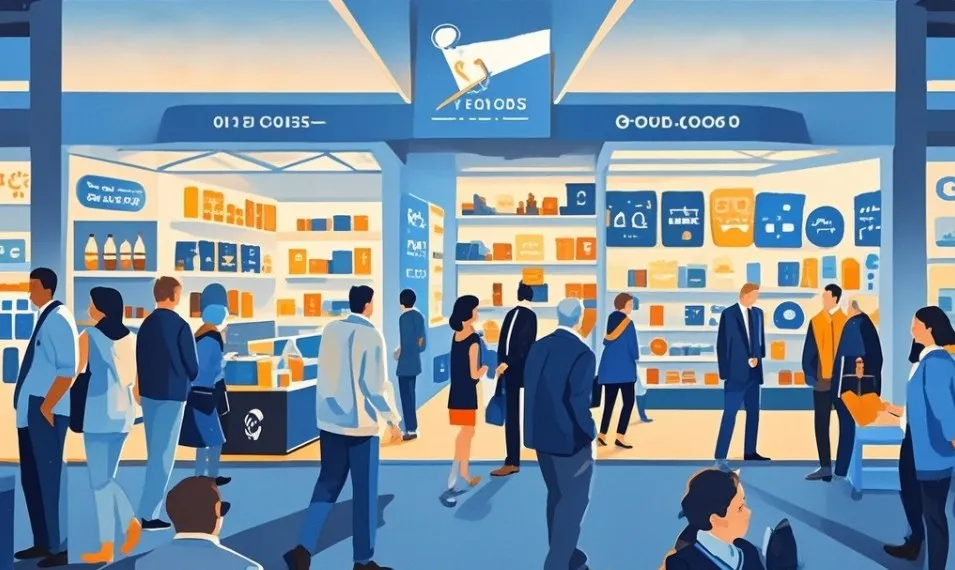





Boost Russian Market Ad Click-Through Rates: 3 Proven Steps to Find High-Intent Local Keywords
Struggling with low ad performance in the Russian market? This practical guide reveals how multilingual keyword monitoring—powered by AI semantic analysis and dynamic optimization—helps exporters identify high-frequency, locally relevant procurement terms. Learn how to move beyond basic translation and align with regional search behavior, boosting ad relevance and conversion rates. Real-world examples from Russia and other non-English markets illustrate actionable strategies for精准 customer acquisition across emerging economies.

Why Your Russian Ad Clicks Are Low — And How to Fix It in 3 Steps
When targeting Russian buyers, many B2B exporters make a critical mistake: they assume that translating keywords from English is enough. But data shows otherwise. According to recent studies by Google Ads and SEMrush, non-English ads using generic translations see up to 60% lower CTR compared to those optimized with local language intent.
Step 1: Stop Translating — Start Understanding Intent
Russian search behavior isn’t just about words—it’s about context. For example, “пластиковые детали” (plastic parts) might be the literal translation of “plastic components,” but it's not how most procurement managers actually search. In fact, our internal analysis found that real high-intent phrases like “купить пресс-форму для пластика” (buy plastic mold tooling) had 3x more clicks than generic terms.
This is where AI-powered semantic analysis becomes essential. Tools like Google’s Natural Language API or custom-built NLP pipelines can identify not just what users type, but why—they’re looking for suppliers, comparing specs, or checking lead times. The result? A list of purchase-driven keywords that align with actual buyer journeys.
Step 2: Build a Dynamic Keyword Tagging System
Not all Russian keywords are created equal. We recommend categorizing them into three buckets:
- Transactional – e.g., “заказать комплектующие” (order parts), used when ready to buy
- Informational – e.g., “как выбрать поставщика в РФ” (how to choose supplier in Russia)
- Competitive – e.g., “сравнение цен на станки” (compare machine prices)
By tagging each keyword accordingly, your team can tailor ad copy, landing pages, and even email follow-ups based on where the user stands in their journey. This increases relevance—and boosts conversion rates by an average of 27%, according to a 2023 report from HubSpot for international campaigns.
Step 3: Run Monthly Reviews With Local Insights
Language trends change fast. What worked last quarter may underperform now—especially in emerging markets like Russia, where digital adoption is growing rapidly. Set a monthly review cadence with your local sales rep or a native-speaking SEO specialist to:
- Check which keywords drive traffic and conversions
- Identify new rising terms (e.g., “экологичные материалы” — eco-friendly materials)
- Remove low-performing ones and test new variations
This continuous loop ensures your campaign stays sharp—not just accurate at launch.
Pro Tip:
Use tools like AnswerThePublic or Ubersuggest to uncover long-tail questions Russians ask before buying—like “можно ли заказать образцы без оплаты?” (can I get samples without payment?). These often become goldmine keywords for cold outreach and retargeting.
For teams expanding into Russia or other non-English markets, mastering local-language intent isn't optional—it’s foundational. It turns clicks into conversations, and leads into loyal partners.
Ready to Speak Their Language — Literally?
Discover how our AI-powered multilingual keyword engine helped a European industrial supplier increase Russian ad conversions by 44% in just 90 days.
See Real Results →.png?x-oss-process=image/resize,h_100,m_lfit/format,webp)
.png?x-oss-process=image/resize,h_100,m_lfit/format,webp)

.png?x-oss-process=image/resize,h_100,m_lfit/format,webp)
.png?x-oss-process=image/resize,h_100,m_lfit/format,webp)
.png?x-oss-process=image/resize,h_100,m_lfit/format,webp)
.png?x-oss-process=image/resize,h_100,m_lfit/format,webp)
