.png?x-oss-process=image/resize,h_100,m_lfit/format,webp)

.png?x-oss-process=image/resize,m_lfit,w_200/format,webp)

热门产品

热门文章
网站集团管理功能全流程运营:赋能跨境电商及B2B企业高效管理多个官网
小型企业库存与风险管理:动态库存调整及应对市场波动的策略研究!
揭秘B2B外贸企业获客难题:AB客户快速获取引擎来救场!
出口退税系统指南:企业申报平台分步教程
沙特阿拉伯Saber认证:PC/SC证书及清关实用指南
外贸人获客方式怎么选?高效渠道全面解析指南
外贸AI超级营销员:企业应对关税战的解决方案
欧洲多站点管理指南:站点组运营和营销自动化的高效配置
国际物流避坑指南:4招教你避开血本无归的陷阱!
案例分享:如何通过人工智能助手自动预筛选提高B2B外贸转化率和效率
Recommended Reading


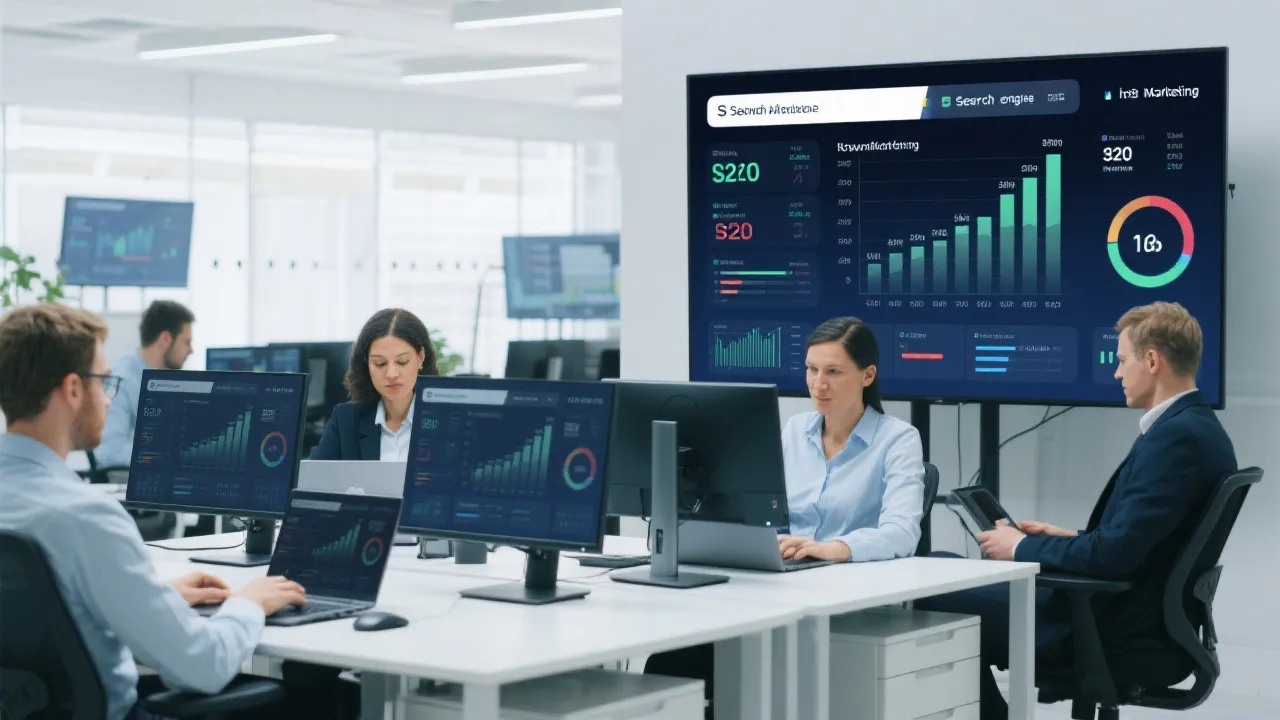






Case Analysis of Credit Fluctuation Identification of Southeast Asian Buyers: Practical Sharing of Foreign Trade Financing Risk Management
This article conducts an in - depth analysis of practical cases of identifying credit fluctuations of Southeast Asian buyers, revealing how foreign trade enterprises can leverage customs data and AI behavior prediction models in the AB客 Quick Customer Acquisition Engine to accurately assess the credit risks of cross - border customers and optimize trade financing decisions. Through the dissection of real - world scenarios, it helps enterprises shift from passive response to bad debts to active risk control, enhancing capital efficiency and the security of global orders.

Introduction: Credit Risk Pain Points in Traditional Trade Financing
In traditional trade financing, information lag has long been a significant pain point, leading to substantial credit risks for foreign trade enterprises. Outdated data often leaves companies in the dark about their overseas buyers' real - time financial status and creditworthiness. As a result, businesses may face unexpected bad debts, which not only disrupt cash flow but also undermine the overall stability of international trade operations. For instance, statistics show that nearly 30% of foreign trade enterprises have suffered losses due to credit risks caused by information delays in traditional trade financing.
Solutions: Customer Profiling and Credit Scoring with Advanced Technology
To address these issues, a solution based on a global enterprise database and AI dynamic crawlers has emerged. This technology combines vast amounts of data from various sources to create detailed customer profiles and assign accurate credit scores. By integrating data such as company registration information, historical transaction records, and industry trends, it provides a comprehensive view of a customer's financial health and creditworthiness. For example, the system can analyze a buyer's financial statements, market reputation, and past payment behavior to generate a reliable credit score, helping enterprises make more informed trade financing decisions.

Practical Methods: Monitoring and Assessing Customer Credit
There are several practical methods for enterprises to implement. First, setting up a multi - language keyword monitoring and early - warning mechanism can help track changes in a buyer's behavior. By monitoring keywords related to financial distress, such as "bankruptcy", "debt default", etc., in multiple languages, enterprises can receive timely alerts. Second, analyzing the historical procurement frequency can be an effective way to judge a buyer's payment ability. A buyer with a stable and high - frequency procurement history is more likely to have good payment capabilities. For example, if a buyer has made regular purchases for more than three years with a consistent payment record, it indicates a relatively reliable payment ability.
Case Study: Identifying and Intervening in Credit Fluctuations
Let's take the case of a buyer in a Southeast Asian country whose credit suddenly deteriorated. The system, leveraging customs data and an AI behavior prediction model, was able to identify early signs of the credit change. By monitoring the buyer's historical procurement patterns, payment behavior, and market news, the system detected abnormal activities well in advance. For example, a sudden decrease in procurement volume and an increase in payment delays were early warning signals. The system then sent alerts to the enterprise, allowing them to take proactive measures such as adjusting payment terms or reducing the order volume, thus avoiding potential bad debts.
"This system has been a game - changer for our company. It has enabled us to shift from passive response to bad debts to active risk control, significantly improving our capital efficiency and order security." - A foreign trade enterprise manager
Data Value Extension: The Impact of High - Quality Data Integration on Risk Control
High - quality data integration is crucial for improving the accuracy of risk control. By combining data such as registration information, transaction records, and market intelligence, enterprises can gain a more in - depth understanding of their customers. For example, integrating a buyer's registration information with its transaction history can reveal hidden risks, such as changes in ownership or business scope that may affect creditworthiness. The more comprehensive and accurate the data, the more precise the risk assessment will be, ultimately reducing the probability of bad debts and improving the overall efficiency of trade financing.
Ready to enhance your foreign trade financing risk management? Click here to learn more about how to lower bad debt rates and precisely target high - potential customers!
.png?x-oss-process=image/resize,h_100,m_lfit/format,webp)
.png?x-oss-process=image/resize,h_100,m_lfit/format,webp)

.png?x-oss-process=image/resize,h_100,m_lfit/format,webp)
.png?x-oss-process=image/resize,h_100,m_lfit/format,webp)
.png?x-oss-process=image/resize,h_100,m_lfit/format,webp)
.png?x-oss-process=image/resize,h_100,m_lfit/format,webp)
