.png?x-oss-process=image/resize,h_100,m_lfit/format,webp)

.png?x-oss-process=image/resize,m_lfit,w_200/format,webp)

热门产品

热门文章
2025最新!进出口贸易中的报关流程详解,收藏这一篇就够了!
外贸企业必须搭建独立站吗?客户视角下的深度解析
多语种建站全攻略:一键打造8大主流语言网站并保障翻译品质
Facebook 广告活动陷阱规避指南:从相似受众到高转化率落地页的完整链条
东南亚多国严查原产地证,转口贸易遇阻?外贸企业超实用破局指南!
如何在Facebook上成功举办线上展会并获得国际订单
多语言关键词监测:如何帮助出口商尽早发现采购需求
利用海关数据识别高潜力海外买家:通过HS编码和购买频率精准开发潜在客户
外贸企业独立站推广全面实操指南 | AB客出品
B2B外贸网站结构优化实用指南:构建清晰的语义网络以提升自然流量
推荐阅读



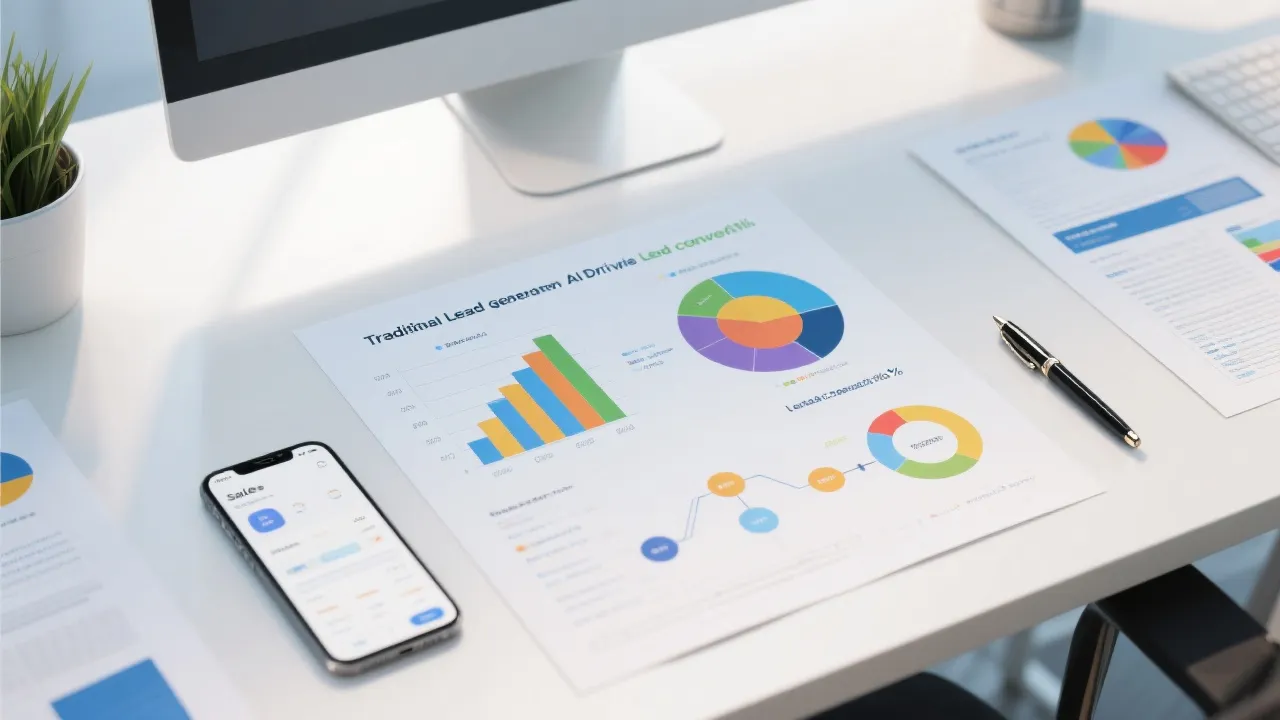


New Ideas for Cross - border B2B Customer Acquisition: Predicting Customer Procurement Behavior with Customs Data
Is traditional foreign trade customer acquisition inefficient and costly? Customs data is becoming the key to solving this problem. This article delves into how to accurately identify potential customers and emerging market opportunities through legal and compliant global customs data, combined with multilingual keyword monitoring and procurement behavior prediction models. From data collection to practical application, it guides you to master a new data - driven decision - making method - no longer relying on guesswork, but on trends. This makes cross - border B2B customer acquisition smarter and more efficient.

Traditional cross - border B2B customer acquisition is fraught with challenges. Low conversion rates and high costs have long troubled businesses. But now, there's a game - changer: customs data. In this article, we'll explore how customs data can revolutionize your cross - border B2B customer acquisition strategy.
Focusing on Real Pain Points
Many cross - border B2B companies struggle with inefficient customer acquisition methods. The average conversion rate in traditional cross - border B2B business is often lower than 0.5%. This low rate means that for every 200 leads, only 1 turns into a customer. Moreover, the cost of customer acquisition can skyrocket, especially when relying on traditional methods such as cold calls and random email marketing. You may have spent a large amount of time and money on these activities, but with little to show for it. You might be wondering, is there a better way?
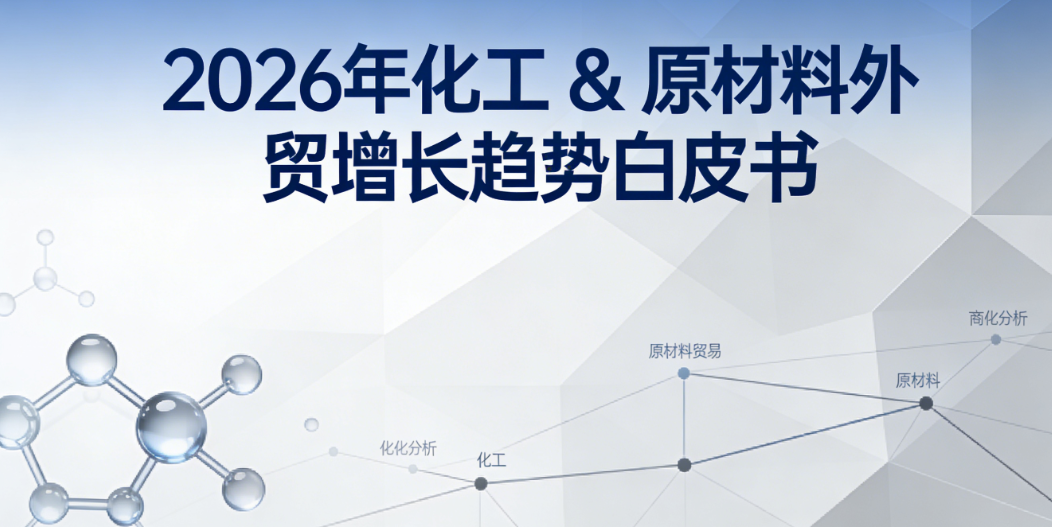
Transparent Data Sources
Customs data is a goldmine of information, but its legitimacy and security are of utmost concern. Legitimate customs data can be obtained through official government channels and authorized third - party data providers. These sources are protected by strict data security protocols and legal frameworks. For example, some countries' customs departments offer data access services under certain conditions, ensuring that the data is accurate and up - to - date. This transparency builds trust among businesses, as they can rely on the data to make informed decisions.
Breaking Down Analysis Dimensions
Customs data analysis offers a multi - dimensional view of the market. By examining the data from the perspectives of product categories, regions, and time, businesses can gain deep insights. For instance, analyzing the import volume of a specific product category in different regions over time can reveal emerging market trends. A heat map can visually represent the demand intensity in various regions, helping businesses to target their marketing efforts more effectively. This three - dimensional analysis provides a comprehensive understanding of the market, enabling companies to anticipate customer needs and stay ahead of the competition.
(1).jpeg)
Scene - based Case Reviews
Let's look at a real - world example. A company was struggling to break into the Middle East market. By analyzing customs data, they identified a large - scale importer in the region whose purchasing volume was steadily increasing. The company proactively reached out to this potential customer, leveraging the data - driven insights about the customer's needs and preferences. Eventually, they secured a long - term cooperation agreement, significantly increasing their market share in the region. This case shows the power of customs data in identifying and winning over valuable customers.
Simplifying Technical Logic
To make customs data analysis accessible to a wider audience, complex technologies such as AI crawlers and semantic analysis can be translated into more understandable terms. In simple words, it's like an "automated data grabber" combined with an "intelligent filter". The automated grabber can collect relevant customs data from multiple sources, while the intelligent filter helps to sift through the vast amount of information to find the most valuable insights. This simplification makes it easier for businesses, especially small and medium - sized enterprises, to adopt this new customer acquisition approach.
Guiding on Practical Tools
To help businesses get started with customs data analysis, we offer free templates and tool access. These resources can significantly reduce the learning curve and make it easier for you to analyze data and make decisions. You don't have to be a data expert to use them. By simply inputting relevant data, you can get actionable insights about potential customers and market trends.
Are you ready to transform your cross - border B2B customer acquisition? This isn't just marketing; it's a way to save you three months of ineffective communication time. Unlock the power of customs data and take your business to the next level! Click here to learn more
.png?x-oss-process=image/resize,h_100,m_lfit/format,webp)
.png?x-oss-process=image/resize,h_100,m_lfit/format,webp)

.png?x-oss-process=image/resize,h_100,m_lfit/format,webp)
.png?x-oss-process=image/resize,h_100,m_lfit/format,webp)
.png?x-oss-process=image/resize,h_100,m_lfit/format,webp)
.png?x-oss-process=image/resize,h_100,m_lfit/format,webp)
