.png?x-oss-process=image/resize,h_100,m_lfit/format,webp)

.png?x-oss-process=image/resize,m_lfit,w_200/format,webp)

热门产品

热门文章
外贸人必看!用这个工具,3分钟搞定100篇爆款文案,躺赚全球订单!
外贸人必读:破解“已读不回”的魔咒——场景拆解、逐步跟进法与高情商话术(纯干货)
外贸业务必备的7大专业资料,助你开发客户翻倍回信!
国际贸易中B2B客户关系管理的实用方法与工具
中小企业绿色供应链建设:可持续合规管理的重点!
分步指南:在智能网站建设平台上使用 TDK 标签自动生成和多语言关键词布局来提升 B2B 网站排名
如何在人工智能驱动的采购链中利用技术白皮书打造专业权威形象:外贸企业必读指南
你的独立站还在流量荒漠?AI内容工厂3天直上谷歌TOP3!
AI在B2B出口领域的应用:为重要客户提供高频次客户服务自动化
外贸新人必备:外贸市场拓展里的常见问题及解决方案最全汇总
推荐阅读


.png?x-oss-process=image/resize,h_1000,m_lfit/format,webp)




New Trends in Cross - border B2B Marketing: How the Dynamic Adjustment Mechanism of Multilingual Keywords Improves Conversion Efficiency
In cross - border B2B marketing, the precise matching of multilingual keywords directly determines advertising efficiency and customer conversion rates. This article delves into how AB客's rapid customer acquisition engine breaks through search barriers in non - English markets such as Spanish, Arabic, and Russian through AI semantic understanding and dynamic adjustment mechanisms, achieving cross - cultural precise reach. From high - frequency word identification to long - tail combination optimization, and then to the breakdown of real - world cases, it helps foreign trade teams master the 'three - step method' for localized keyword strategies, reducing ineffective advertising costs and enhancing the efficiency of overseas business opportunity acquisition.

New Trends in Cross - border B2B Marketing: How the Multi - language Keyword Dynamic Adjustment Mechanism Improves Conversion Efficiency
In cross - border B2B marketing, the precise matching of multi - language keywords directly determines advertising efficiency and customer conversion rates. You may have encountered various challenges in the multi - language market, such as keyword misjudgment in real - world scenarios. For example, in some non - English markets like Spanish, Arabic, and Russian, the search barriers are significant due to language differences.
Let's first look at the problem of keyword misjudgment. In different countries, language habits vary greatly. Take Arabic as an example, its writing direction affects keyword sorting. This means that if you don't understand these language characteristics, your keywords may not be accurately recognized by search engines, leading to ineffective advertising and low conversion rates.
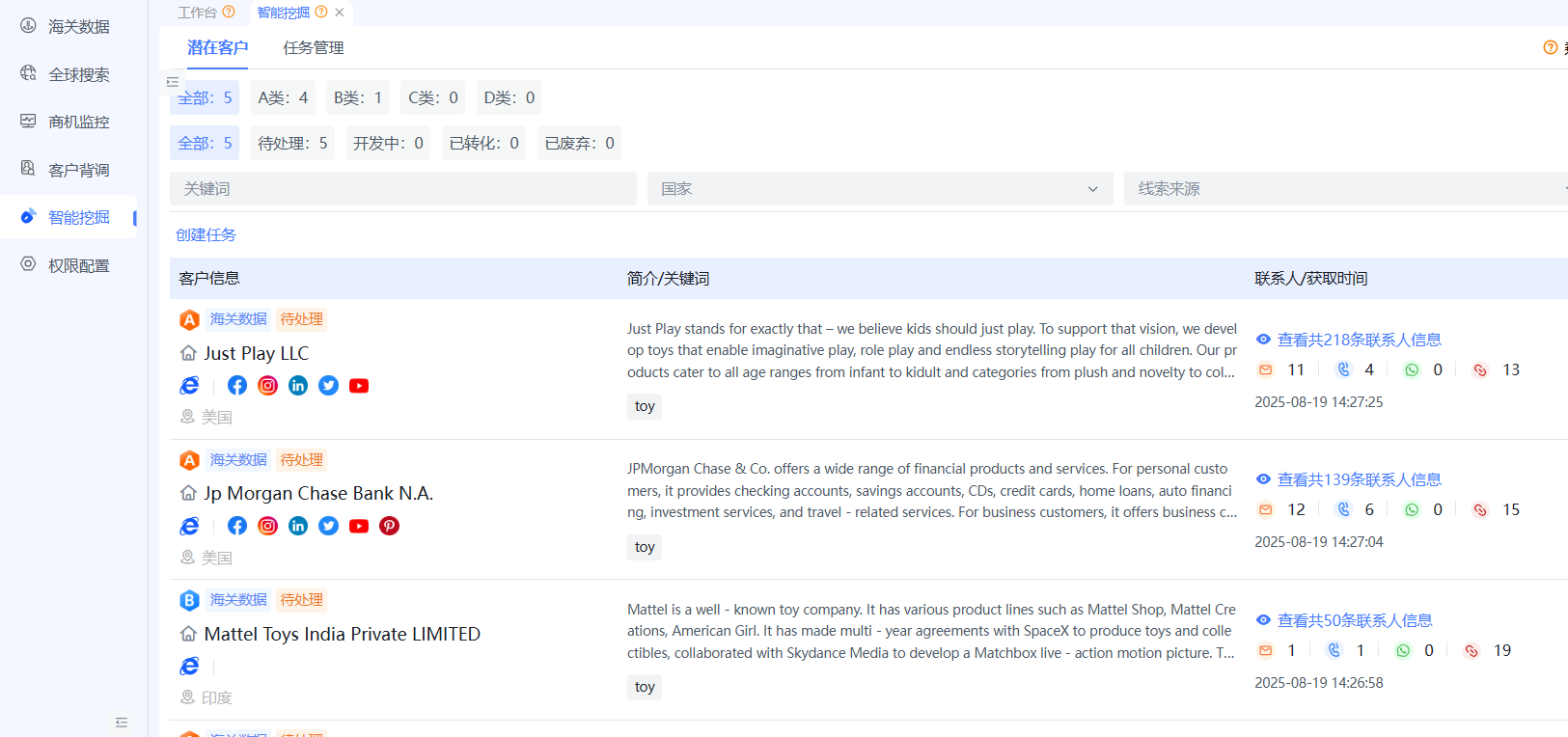
AI - Driven Dynamic Optimization Logic
AB客's fast customer acquisition engine uses AI semantic understanding and a dynamic adjustment mechanism to solve these problems. Through AI semantic analysis, it can break through the search barriers in non - English markets and achieve cross - cultural precise reach. The engine can identify high - frequency words, optimize long - tail keyword combinations, and adjust keywords in real - time according to market changes.
In terms of long - tail keyword combinations, they have great value. For instance, in the Spanish market, procurement intention words have a conversion rate more than 3 times higher than general words. This shows that by using long - tail keyword combinations with specific procurement intentions, you can significantly improve conversion efficiency and reduce ineffective advertising costs.
Three - Step Method for Local High - Frequency Word Identification
To help your team master a local keyword strategy, we provide a reusable methodological framework - the three - step method for identifying local high - frequency words. First, use AI to analyze search data and identify potential high - frequency words. Then, combine Google Trends and social media hot - word lists to verify these words. Finally, continuously optimize the keyword list based on actual advertising performance.
(1).jpeg)
This method emphasizes the importance of cross - departmental collaboration. The marketing department can provide market insights, while the technology department can support the implementation of AI algorithms. Only through close cooperation can you achieve better results in multi - language keyword optimization.
Case Studies in Typical Industries
Let's look at some real - world case studies in industries such as machinery, chemicals, and electronics. These cases show how data feedback loops can continuously optimize keyword weights and avoid the pitfalls of static keyword placement. For example, during the Canton Fair, the keyword popularity changes. By monitoring these changes in real - time and adjusting keywords accordingly, you can capture more overseas business opportunities.
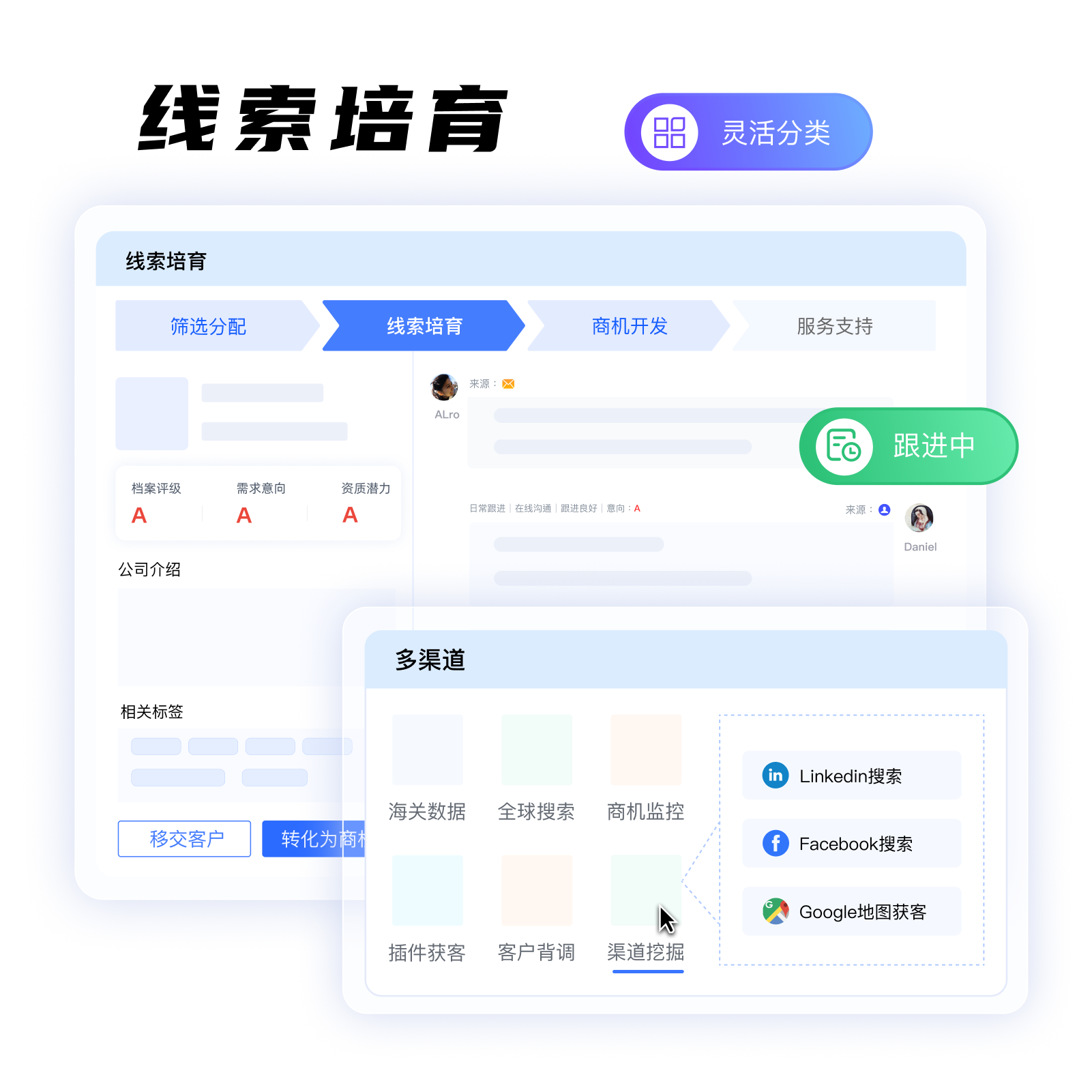
In conclusion, by using the multi - language keyword dynamic adjustment mechanism, you can say goodbye to blind advertising placement and let every cent of your advertising budget hit the target customers. With AB客's fast customer acquisition engine and the three - step method for local high - frequency word identification, you can master the search passwords of global buyers and improve your overseas customer conversion efficiency.
If you have any questions about localizing your keyword strategy, please leave a message below. We are here to help you solve your multi - language market acquisition pain points. Click here to learn more about AB客's fast customer acquisition engine
.png?x-oss-process=image/resize,h_100,m_lfit/format,webp)
.png?x-oss-process=image/resize,h_100,m_lfit/format,webp)

.png?x-oss-process=image/resize,h_100,m_lfit/format,webp)
.png?x-oss-process=image/resize,h_100,m_lfit/format,webp)
.png?x-oss-process=image/resize,h_100,m_lfit/format,webp)
.png?x-oss-process=image/resize,h_100,m_lfit/format,webp)
