.png?x-oss-process=image/resize,h_100,m_lfit/format,webp)

.png?x-oss-process=image/resize,m_lfit,w_200/format,webp)

热门产品

Popular articles
LME Suspends Non-Dollar Metal Options: Challenges for USD Dominance and RMB Globalization
How to Review International Trade Contracts: A Practical Guide to Avoid Legal Disputes
Practical Guide to Multilingual SEO Optimization: Key Strategies for Improving International Search Rankings of Chemical Products
How to use AI to generate content for foreign trade websites? (Product + Article + FAQ practical case)
Uruguay UNIT Certification Guide: Market Access Compliance Path for Home Appliance and Lighting Products
GEO content creation: How to create high-quality content that attracts AI and impresses customers?
Case Sharing: How the Machinery Manufacturing Industry Can Discover New Business Opportunities through Multilingual Keyword Monitoring
Foreign trade customer follow-up: practical solutions for converting potential customers into orders!
Recommended Reading

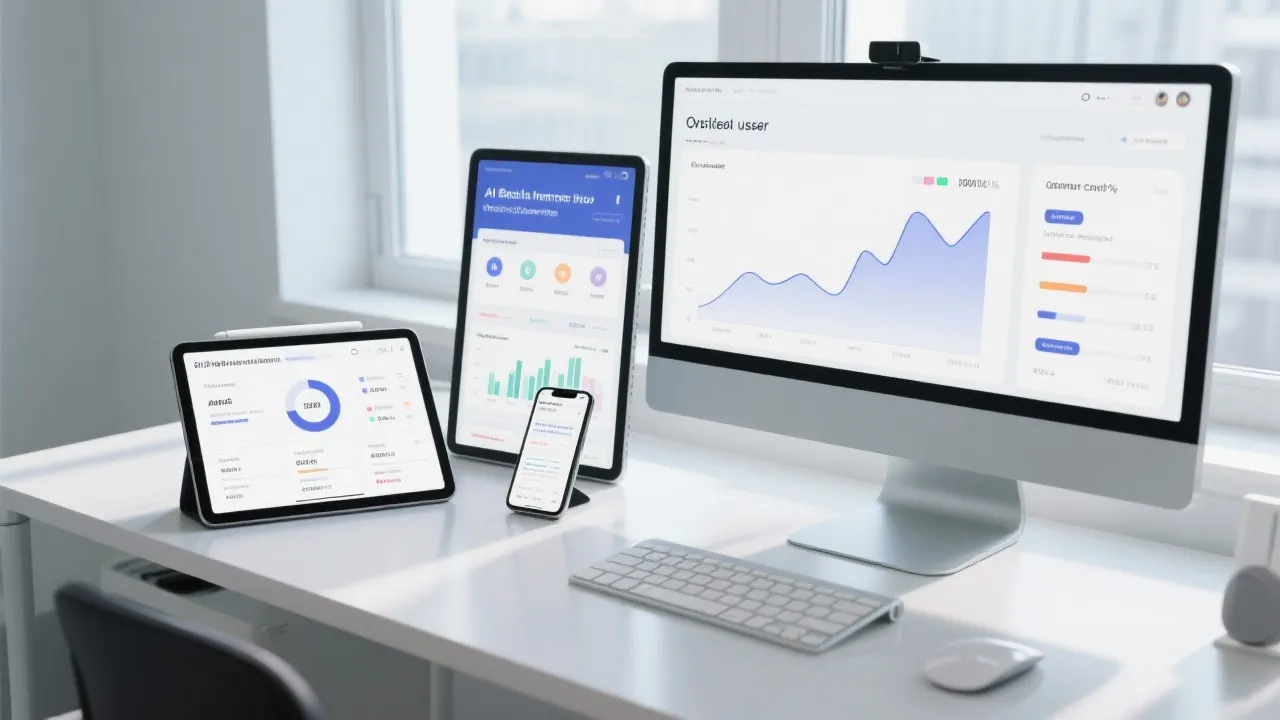






Customs Data Customer Acquisition实战: How to Screen High-Frequency Purchasers via HS Code Stability
This article delves into how to leverage customs data from over 80 countries worldwide, combined with HS code stability, to screen high-frequency purchasers and achieve precise identification of high-potential overseas B2B customers. By analyzing data acquisition paths, field interpretation techniques, and common pitfalls, and supplemented with real cases, it helps foreign trade enterprises solve traditional customer acquisition challenges and improve the conversion rate of initial communication. The article also provides replicable practical methods for customs data screening to guide enterprises in efficiently reaching target customers and promoting market expansion and business growth.

The Practical Application of Customs Data in B2B Customer Acquisition
In the highly competitive international B2B market, finding high - potential overseas customers is a continuous challenge for foreign trade companies. Traditional customer acquisition methods often face problems such as high costs, limited scope, and low accuracy. However, customs data has emerged as a powerful tool in recent years, offering new opportunities for foreign trade companies to break through the bottleneck of customer acquisition.
The Key Role and Practical Value of Customs Data in B2B Customer Acquisition
Customs data encompasses trading information from over 80 countries, including details such as the name of the trading company, product description, quantity, and value of the transaction. This data provides a broad and real - time view of the international market, helping foreign trade enterprises understand the market dynamics and customer demand.
According to a report from an industry research institution, companies that effectively use customs data can achieve a 30% increase in customer acquisition efficiency compared to those relying solely on traditional methods. By analyzing customs data, companies can identify potential customers who have a purchasing history and determine their purchasing frequency and preferences, thus achieving targeted marketing.

Identifying High - Frequency Purchasers through HS Code Stability
The HS code is an international standard for classifying traded goods. Each product corresponds to a unique HS code, which is widely used in customs declaration and trade statistics. One of the practical applications of customs data is to screen high - frequency purchasers by analyzing the stability of HS codes.
High - frequency purchasers usually maintain a certain degree of stability in their purchasing categories. By tracking the HS codes of the products they purchase, companies can identify whether a customer has long - term and stable purchasing demand. For example, if a company finds that a purchaser consistently buys products under a specific HS code within a year, it is likely a high - frequency purchaser. This method can significantly improve the accuracy of customer identification.
In - Depth Analysis of the Data Acquisition Process and Main Field Meanings
To effectively use customs data, companies first need to understand how to acquire and analyze it. There are multiple ways to obtain customs data, such as through professional data providers, government trade departments, and some international trade platforms.
When analyzing customs data, it is crucial to understand the meanings of various fields. For example, the "product description" field can help companies determine whether the product meets their business scope; the "quantity" and "value" fields can reflect the scale of the customer's purchasing power. In addition, semantic analysis can be used as an auxiliary method to filter out customers with high matching degrees. For instance, by analyzing the text in the product description, companies can find customers with specific product requirements.

Common Mistakes and Pitfall - Avoidance Techniques
Although customs data is a powerful tool, there are also some common mistakes that companies need to avoid. One of the most common mistakes is relying solely on a single indicator to judge business opportunities. For example, some companies may only focus on the large quantity of a customer's purchase but ignore other important factors such as the customer's credit and reputation.
Another common mistake is not updating the data in a timely manner. The international market is constantly changing, and customers' purchasing behavior and demand may also change at any time. Therefore, companies need to regularly update the customs data to ensure the timeliness and accuracy of the information.
Real - World Application Cases
Let's look at a real - world case. Company A, a foreign - trade enterprise, was struggling to find new customers. After using customs data, they first analyzed the HS code stability of potential customers. They found a company that consistently purchased products under a specific HS code related to their business. Company A further analyzed the company's purchasing quantity, frequency, and other information, and then sent targeted marketing messages.
As a result, Company A successfully established a business relationship with this company, and the initial communication conversion rate reached 40%. This case shows that by using customs data effectively, companies can not only find potential customers more accurately but also improve the conversion rate of initial communication.

Practical Customs Data Screening Checklist
To help companies better use customs data to screen target customers, here is a practical checklist:
- Check the HS code stability of potential customers to identify high - frequency purchasers.
- Analyze the purchasing quantity and value of customers to understand their purchasing power.
- Use semantic analysis to filter out customers with high - matching product requirements.
- Check the timeliness of the data and update it regularly.
- Avoid relying solely on a single indicator and comprehensively evaluate potential customers.
By following this checklist, companies can more systematically screen target customers from a large amount of customs data and achieve precise market reach.
If you want to learn more about the application of customs data, click here to get the "Customs Data Application Manual".
.png?x-oss-process=image/resize,h_100,m_lfit/format,webp)
.png?x-oss-process=image/resize,h_100,m_lfit/format,webp)

.png?x-oss-process=image/resize,h_100,m_lfit/format,webp)
.png?x-oss-process=image/resize,h_100,m_lfit/format,webp)
.png?x-oss-process=image/resize,h_100,m_lfit/format,webp)
.png?x-oss-process=image/resize,h_100,m_lfit/format,webp)
