.png?x-oss-process=image/resize,h_100,m_lfit/format,webp)

.png?x-oss-process=image/resize,m_lfit,w_200/format,webp)

热门产品

Popular articles
Negotiation Tactics for Newcomers in Foreign Trade: Strategies to Handle Client Price Haggling
Key Insights into Canada’s ISED Certification: Essential for Wireless Products Entering the North American Market
In-depth analysis and intelligent solutions to the five major pain points of foreign trade B2B marketing
How to deal with foreign trade customers asking for product catalogs? A practical guide to the entire process from "sending catalogs" to "taking orders"
AI-driven customer search: quickly identify potential customers around the world and easily seize the opportunity!
Comprehensive analysis and market advantages of AI website building technology in B2B independent website development
How Does AI Dynamic Crawler Technology Improve Efficiency in Foreign Trade Customer Acquisition? Practical Insights Shared
10 Core Principles for Building a Fast WordPress Foreign Trade Website
Recommended Reading






Identifying High-Potential Overseas Buyers Using Customs Data: HS Codes and Purchase Frequency for Precise Lead Generation
This article explores how to leverage customs import-export data to accurately identify high-potential overseas buyers, overcoming the limitations of traditional keyword searches that often yield vague customer intent. By analyzing key fields such as HS codes, purchase frequency, and trade volume, combined with extensive global customs coverage and multilingual monitoring technologies, B2B export companies can quickly build authentic buyer profiles to enhance targeting accuracy and conversion rates. Tailored for small and medium-sized exporters transitioning to digital client acquisition, it offers practical steps, industry-specific recommendations, and case studies to facilitate rapid filtering and nurturing of quality leads.

Unlocking High-Potential Overseas Buyers Using Customs Data: A New Frontier in Precise B2B Customer Acquisition
In the competitive landscape of global B2B trade, traditional keyword-based buyer searches often fall short, producing vague leads with uncertain procurement intent. However, the advent of integrating customs import-export data combined with strategic analysis of HS codes and purchase frequency metrics is revolutionizing how exporters identify and engage high-potential overseas buyers. This methodology helps exporters sift through millions of transaction records to build authentic buyer profiles, dramatically enhancing lead quality and conversion rates.
Understanding the Legal and Data Foundations of Customs Data
Global customs data is a publicly accessible yet highly structured source comprising shipment manifests, declared product categories, trade volumes, and counterparties. Derived from millions of international cross-border transactions annually, this data is gathered and standardized by government customs agencies globally. Its legal acquisition ensures compliance with international trade regulations, making it a goldmine for digital-savvy export businesses aiming to replace guesswork with data-driven decisions.
Why HS Codes and Purchase Frequency Matter
Harmonized System (HS) codes are internationally standardized product classification codes dividing goods into detailed categories. Leveraging HS codes allows exporters to filter buyers according to specific product groups, ensuring precision targeting rather than broad interest signals. Purchase frequency, or how often a buyer imports said HS-coded products over defined timeframes, signals the reliability and seriousness of their procurement needs.
For example, a purchasing entity importing electronic components (HS code 8542) monthly at scale over a year demonstrates sustained buying intent, drastically lowering cold-lead risks. This dual filter—HS code + purchase frequency—enables exporters to differentiate steady, high-potential buyers from one-off or speculative ones, a critical advancement over traditional keyword searches that may capture mere browsing interest.
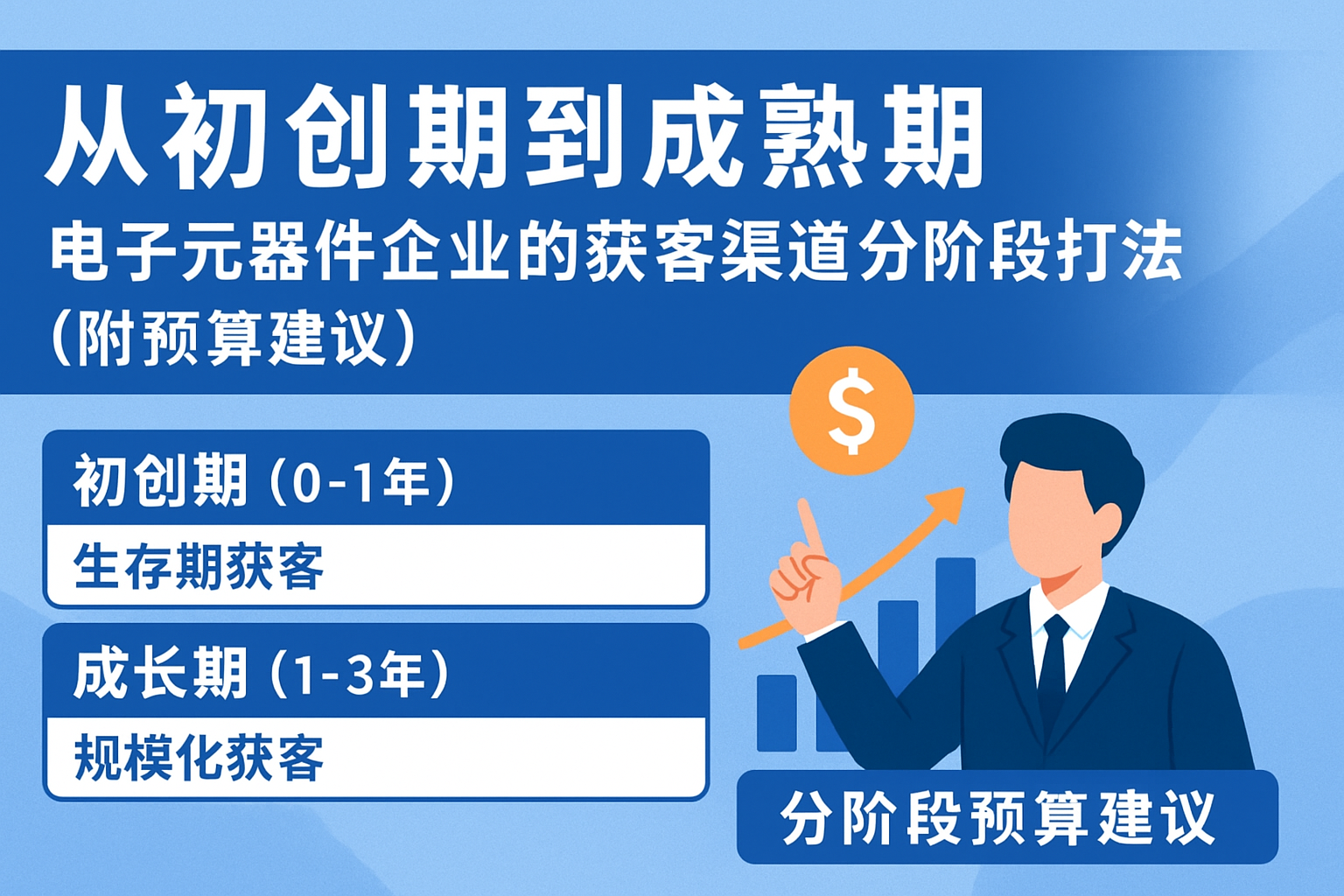
Data-Driven Buyer Persona Construction: The Blueprint for Success
Constructing robust buyer personas using customs data involves integrating several key fields: HS codes, purchase frequency, trade volume, shipment locations, and buyer/company metadata. Analytical tools harness AI-powered algorithms to cluster buyers by industry, order recurrence, and geographic footprint, revealing authentic procurement patterns.
The process includes:
- Extracting relevant HS-coded product import records over a customizable rolling period (e.g., 12 months).
- Filtering buyers with high-value and regular purchasing activity.
- Segmenting by industry verticals (e.g., automotive parts, medical devices) to customize outreach.
- Enhancing data with multilingual monitoring tech to capture global buyers including non-English speakers.
Industry-Specific Adaptations for Maximum Impact
Different B2B sectors show unique procurement behaviors reflected in customs data:
- Electronics: Rapid repetitive purchases with small-to-medium order size fluctuations.
- Textiles & Apparel: Seasonal spikes in purchase frequency align with fashion cycles.
- Machinery & Equipment: Intensive bulk shipments with infrequent but high-value orders.
Tailoring threshold parameters in HS code and frequency filters by sector elevates lead qualification accuracy and prevents resource wastage on low-fit prospects.
.jpg)
Step-By-Step Implementable Guide for Digital Buyer Acquisition
1. Data Acquisition: Partner with reputable customs data providers offering real-time or periodic data feeds covering target markets.
2. HS Code Analysis: Define core product HS codes linked to your export offerings.
3. Frequency Threshold Setting: Set minimum purchase frequency (e.g., ≥ 3 imports in 6 months) and trade volume filters to identify serious buyers.
4. Buyer Profiling: Enrich leads by cross-referencing company registration details, shipment destinations, and historical trade values.
5. Multilingual Monitoring: Use AI-powered language analysis tools to detect buyer communications in various languages, improving lead understanding.
6. Integration with CRM: Seamlessly import qualified leads into CRM systems to design personalized outreach campaigns.
Deploying these steps can reduce cold-lead ratio by over 40%, while increasing lead-to-opportunity conversion by upwards of 25% within 4 months of implementation, based on field data from multiple B2B exporters.

Overcoming Traditional Pain Points with Data-Driven Precision
Conventional methods relying on keyword searches or trade fair leads tend to generate low-quality and uncertain-intent prospects, leading to wasted sales effort. In contrast, leveraging customs data provides:
- Concrete evidence of purchase intentions via trade activity.
- Reduced guesswork and lower customer acquisition cost.
- Ability to identify emerging buyers early in their procurement cycles.
- Opportunities to customize messaging based on actual product and trade behavior.
“Click here to discover how to swiftly screen and engage high-potential overseas buyers using customs data” — transform your B2B lead sourcing with precision and confidence.
.png?x-oss-process=image/resize,h_100,m_lfit/format,webp)
.png?x-oss-process=image/resize,h_100,m_lfit/format,webp)

.png?x-oss-process=image/resize,h_100,m_lfit/format,webp)
.png?x-oss-process=image/resize,h_100,m_lfit/format,webp)
.png?x-oss-process=image/resize,h_100,m_lfit/format,webp)
.png?x-oss-process=image/resize,h_100,m_lfit/format,webp)
