.png?x-oss-process=image/resize,h_100,m_lfit/format,webp)

.png?x-oss-process=image/resize,m_lfit,w_200/format,webp)

热门产品

Popular articles
Comprehensive FDA Certification Guide for Food Contact Materials: Essential Compliance Pathway for U.S. Exporters
A must-have for first-time exhibitors! A complete guide to the 137th Canton Fair: invitation and booth techniques/follow-up email templates
How do B2B companies choose a website construction system? These core advantages cannot be missed!
Why Isn't Your Alt Text Working? 5 Hidden Tips for SEO Optimization of Images on Foreign Trade Websites
20 common problems and practical solutions in B2B foreign trade order execution!
The EU will eliminate tax exemptions for parcels under €150 by 2026, impacting 91% of Chinese sellers.
How B2B Exporters Can Use Customs Data to Precisely Target Overseas Buyers: A Comprehensive Guide to New Customer Acquisition Methods
Effective strategies and practical suggestions for shortening sample delivery cycles
Recommended Reading




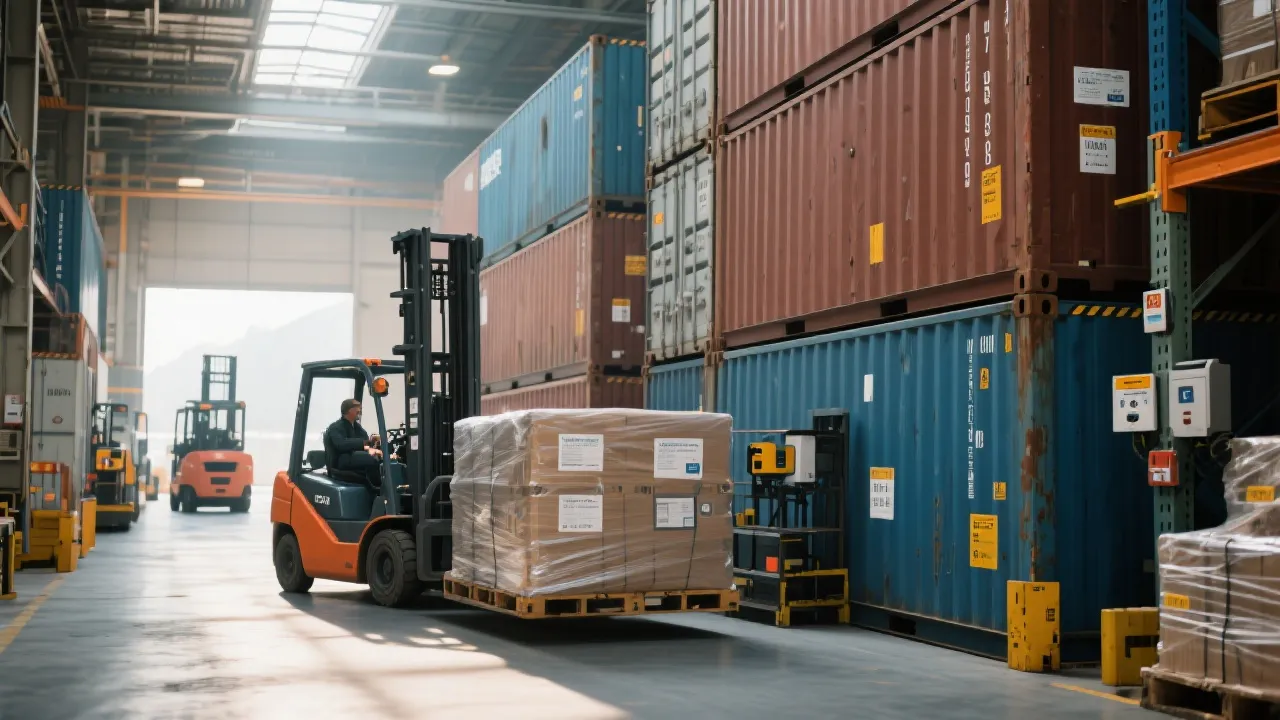





How to Accurately Identify Overseas Buyers Using Customs Data: 3 Core Techniques for B2B Export Lead Generation
Discover how customs data can pinpoint genuine overseas buyers in your B2B export outreach. This guide breaks down three proven techniques—keyword matching, transaction frequency analysis, and product category clustering—to help you extract high-potential leads from a global database of 230 million companies. Real-world examples show how to avoid common mistakes (like focusing only on one country) and boost conversion rates. Ideal for exporters struggling with low-efficiency or high-cost lead generation.

How to Use Customs Data to Identify High-Potential Buyers — A Practical Guide for B2B Exporters
You’ve probably heard the phrase “data-driven marketing” — but what does it really mean when you’re trying to find real buyers overseas?
With over 2.3 billion global companies in customs databases, simply searching by country or product isn’t enough. The smartest exporters now use three core techniques to cut through noise and target buyers who are actively purchasing — not just browsing.
1. Keyword Matching: Find What They Actually Buy
Don’t rely on generic terms like “electronics” or “plastic parts.” Instead, look for specific keywords tied to real procurement patterns. For example:
| Keyword | Example Buyer Behavior |
|---|---|
| “medical grade silicone” | A German distributor imports this item monthly — consistent demand. |
| “LED lighting fixture 30W” | An Australian retail chain orders every 4–6 weeks — high intent. |
These aren’t random searches — they’re signals that someone is building inventory, testing suppliers, or scaling production. Your job? Match your product to these exact phrases.
2. Transaction Frequency Analysis: Spot Active Buyers
One-time importers are not your ideal customer. Look for those with recurring transactions — ideally 2+ times per month. In a recent case study from a Chinese packaging supplier, one buyer imported their product 12 times in 6 months. That’s not a trial order — that’s a long-term partnership waiting to happen.
Use tools that track transaction frequency across timeframes (like 3, 6, or 12 months). This filters out hobbyists, resellers, and one-off buyers — leaving only serious players.
3. Product Category Clustering: Discover Hidden Demand
Many exporters focus only on top markets like the U.S., EU, or UAE. But what if your product fits into a niche category being imported by small manufacturers in Southeast Asia or Latin America?
Clustering helps you see which industries are growing fast — even if they’re not big names yet. For instance, a Vietnamese textile brand discovered its fabric was frequently imported alongside “eco-friendly apparel” in Indonesia. That led to a new channel of 15+ potential buyers within two months.
Your client may also be buying similar items from multiple sources — which means room for substitution. That’s where your value proposition becomes critical.
Avoid These Common Mistakes
- Only analyzing data from one country — miss opportunities in emerging markets.
- Ignoring non-English-speaking buyers — many high-potential buyers don’t speak English but still search in local languages.
- Focusing solely on volume — sometimes a smaller buyer with repeat orders converts faster than a large one with low engagement.
Want to turn raw customs data into actionable leads without spending hours manually filtering? Try leveraging AI-powered tools like AB客's dynamic crawler + semantic analysis engine. It automatically identifies potential buyers based on real-time behavior — not just static profiles.
Ready to Turn Data Into Deals?
Stop guessing who to contact — start targeting buyers who already show purchase intent.
Start Identifying High-Potential Buyers Now.png?x-oss-process=image/resize,h_100,m_lfit/format,webp)
.png?x-oss-process=image/resize,h_100,m_lfit/format,webp)

.png?x-oss-process=image/resize,h_100,m_lfit/format,webp)
.png?x-oss-process=image/resize,h_100,m_lfit/format,webp)
.png?x-oss-process=image/resize,h_100,m_lfit/format,webp)
.png?x-oss-process=image/resize,h_100,m_lfit/format,webp)
