.png?x-oss-process=image/resize,h_100,m_lfit/format,webp)

.png?x-oss-process=image/resize,m_lfit,w_200/format,webp)

热门产品
Popular articles
The latest and most comprehensive blessings for Eid al-Adha 2025, let your Muslim customers remember you!
(Updated for 2025) A comprehensive list of 120 global cross-border e-commerce platforms, including entry requirements, registration thresholds, and suitable categories!
A complete guide to Eid al-Adha 2025: dates, countries, blessing techniques and taboos that foreign traders must know!
2025 latest! Detailed explanation of the customs declaration process in import and export trade, just save this one!
2025 Foreign Trade Business Full Process Standard SOP Script White Paper, everyone should get a copy now!
In-depth analysis of the U.S. “Big and Beautiful” bill: controversies, impacts and responses!
The Sino-US trade war escalates: in-depth analysis of the affected domestic industries and the response strategies of Chinese companies!
The customer said the price was too expensive. Here are 8 ways to easily deal with it, including high EQ sales talk and cases!
Recommended Reading



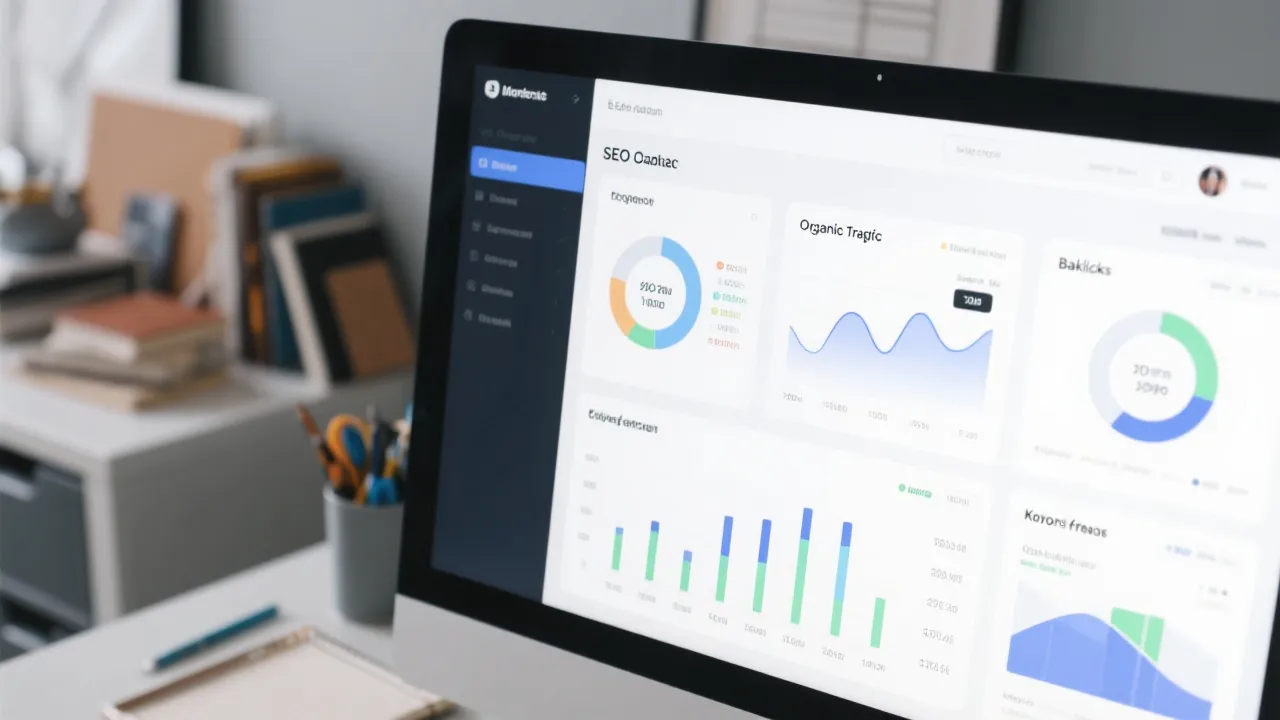





Data-Driven Foreign Trade Market Positioning: Boost Customer Conversion through Precise Targeting
Unlock the power of data to master foreign trade market positioning. This article guides you—especially if you're new to the field—through a step-by-step process of market research, data analysis, and customer profiling. Learn how to identify high-potential markets and develop high-value clients by leveraging industry trends and customer behavior insights. By adopting a scientific approach to market targeting, you can significantly improve customer conversion rates, reduce costly trial-and-error, and achieve efficient, data-backed marketing strategies that make clients come to you.

Mastering Precise Market Positioning in Foreign Trade: A Data-Driven Approach to Boost Client Conversion
In the foreign trade industry, especially for newcomers, the most common pitfall is entering vague or overly broad markets, leading to wasted resources and low client conversion. Understanding how to precisely identify and target your ideal market is the gateway to high-value customer acquisition. This article walks you through a step-by-step process incorporating market research, data analysis, and customer profiling to help you achieve targeted marketing and efficient client development.
1. Defining Your Target Market: The Foundation of Precise Positioning
Your target market is the specific segment where your products or services solve clear problems or fulfill needs. Instead of guessing, use these three criteria for identification:
- Demographics: Industry type, company size, region, annual turnover.
- Behavioral Aspects: Purchase frequency, decision-making process, pain points.
- Market Potential: Growth trends, competition intensity, and demand elasticity.
For example, targeting "medium-sized manufacturers in Southeast Asia with growing demand for automation parts" narrows your focus sharply compared to “manufacturers globally.” Precise market definition saves your time and budget.
2. Industry Data and Market Potential Analysis: Your Compass for Smart Decisions
Actual data is your best guide to avoid costly mistakes. Use publicly available trade statistics, industry reports, and analytic platforms (such as Export.gov or Statista) to assess:
| Metric | Description | Typical Data Sources |
|---|---|---|
| Market Size | Total sales volume or revenue in your niche | Trade associations, government databases |
| Growth Rate | Year-over-year changes indicating potential expansion | Market research reports, industry news |
| Competitive Landscape | Number and strength of existing players | Online market analysis tools, competitor websites |
As an illustration, data from a Southeast Asian machinery parts market showed a 12% annual growth with a low density of specialized suppliers—an ideal entry point for focused foreign traders.
3. Building Customer Profiles and Screening High-Value Clients
Customer profiling transforms abstract data into actionable insights. Build profiles by collecting:
- Firmographics (industry, company size, location)
- Behavioral Attributes (purchase channels, buying frequency)
- Needs and Pain Points (specific challenges your product solves)
Use scoring models to rank prospects based on potential profitability and conversion likelihood. For example, a model might weight purchase volume potential (40%), budget readiness (30%), and strategic fit (30%). Clients scoring above 75% become your priority targets.
Case Insight:
A European electronics exporter once reduced lead time by 25% after applying a customer profile model focused on “tech startups with rapid product cycles.” The profiling enabled customized outreach and improved client engagement.
4. Effective Client Development Channels & Tools
Identifying ideal channels can amplify your outreach:
| Channel | Best For | Example Tools |
|---|---|---|
| B2B networking and lead generation | Sales Navigator, LinkedIn Ads | |
| Industry Trade Platforms | Targeted marketplace exposure | Alibaba, Global Sources |
| Email Campaigns | Direct outreach and nurture sequences | Mailchimp, HubSpot |
Remember, the optimal channel mix depends on where your target clients “hang out.” Effective usage of these tools can increase your contact-to-lead conversion by 20-30%.
5. Common Challenges During Client Development and How to Overcome Them
You will likely encounter:
- Low Response Rates: Solution - Personalize communication based on client profiles.
- Data Quality Issues: Solution - Regularly update and verify your client databases.
- Long Sales Cycles: Solution - Identify decision-makers and tailor follow-ups accordingly.
A leading North American chemical exporter improved outreach efficiency by implementing CRM-integrated follow-up reminders and segment-specific messaging, reducing the sales cycle by nearly 15%.
6. Leveraging AI Tools to Enhance Market Analysis and Customer Matching
Artificial Intelligence can accelerate your research and decision-making. Key uses include:
- Predictive Analytics: Forecast market trends and client behavior.
- Automated Data Cleansing: Ensure you work with accurate, up-to-date info.
- Intelligent Lead Scoring: AI-powered prioritization based on multi-factor analysis.
Tools like Salesforce Einstein, HubSpot AI, and Tableau’s data visualization with AI add powerful capabilities to your foreign trade strategy, making precise positioning = efficient client acquisition a realistic goal.

7. Proven Success: Real-World Application of Data-Driven Market Positioning
Take the case of a German machinery components supplier who was struggling with a 10% client conversion rate. By applying our precise market positioning framework—combining market potential data, customer profile scoring, and AI-augmented outreach—the conversion rate jumped to 27% within 6 months. Additionally, their client acquisition cost dropped by 35%, showcasing the power of scientific targeting and efficient resource allocation.
In summary, using data to guide your foreign trade market positioning is not just about reducing guesswork; it is about making every marketing dollar count. “Use data to speak the client’s language — and watch them come finding you.”
.png?x-oss-process=image/resize,h_100,m_lfit/format,webp)
.png?x-oss-process=image/resize,h_100,m_lfit/format,webp)

.png?x-oss-process=image/resize,h_100,m_lfit/format,webp)
.png?x-oss-process=image/resize,h_100,m_lfit/format,webp)
.png?x-oss-process=image/resize,h_100,m_lfit/format,webp)
.png?x-oss-process=image/resize,h_100,m_lfit/format,webp)
