.png?x-oss-process=image/resize,h_100,m_lfit/format,webp)

.png?x-oss-process=image/resize,m_lfit,w_200/format,webp)

热门产品

Popular articles
Key Insights into Canada’s ISED Certification: Essential for Wireless Products Entering the North American Market
A Guide to Breaking Through for B2B Foreign Trade Enterprises: How Smart Marketing Can Achieve 300% Order Growth
Build an International Website from Scratch: How Can B2B Home Building Materials Enterprises in Foreign Trade Use AI to Quickly Build Websites and Improve Inquiry Conversion?
A Deep Dive into Cross-Border Logistics and Operational Challenges for SMEs: A Case Study on International Shipping and Customs Compliance
Industry Research: Competitor Analysis Methods in B2B Foreign Trade Market Research!
Foreign trade tips: Analysis and countermeasures for why customers don’t reply after the initial development letter!
Quickly Screen High-Potential B2B Customers with Industry Tags and Revenue Scale: A Guide to Avoiding Pitfalls in Foreign Trade Customer Acquisition
How to use the AI smart assistant of Foreign Trade Geek to improve foreign trade efficiency!
Recommended Reading
.png?x-oss-process=image/resize,h_1000,m_lfit/format,webp)





Determine the Professionalism of Multilingual Localization in Your Cross - border B2B Foreign Trade Website Content
How can you determine if your cross - border B2B foreign trade website content has the professionalism of multilingual localization? This article systematically analyzes how an AI content factory can achieve high - quality output and efficient operation of global market content through automated content generation technology from five dimensions: precise topic selection, multilingual adaptation strategies, diversified format distribution, ROI closed - loop management, and team collaboration for efficiency improvement. It helps exporters and manufacturers quickly identify content localization shortcomings, enhance brand consistency, and conversion efficiency.

Core Indicators of Multilingual Localization Professionalism
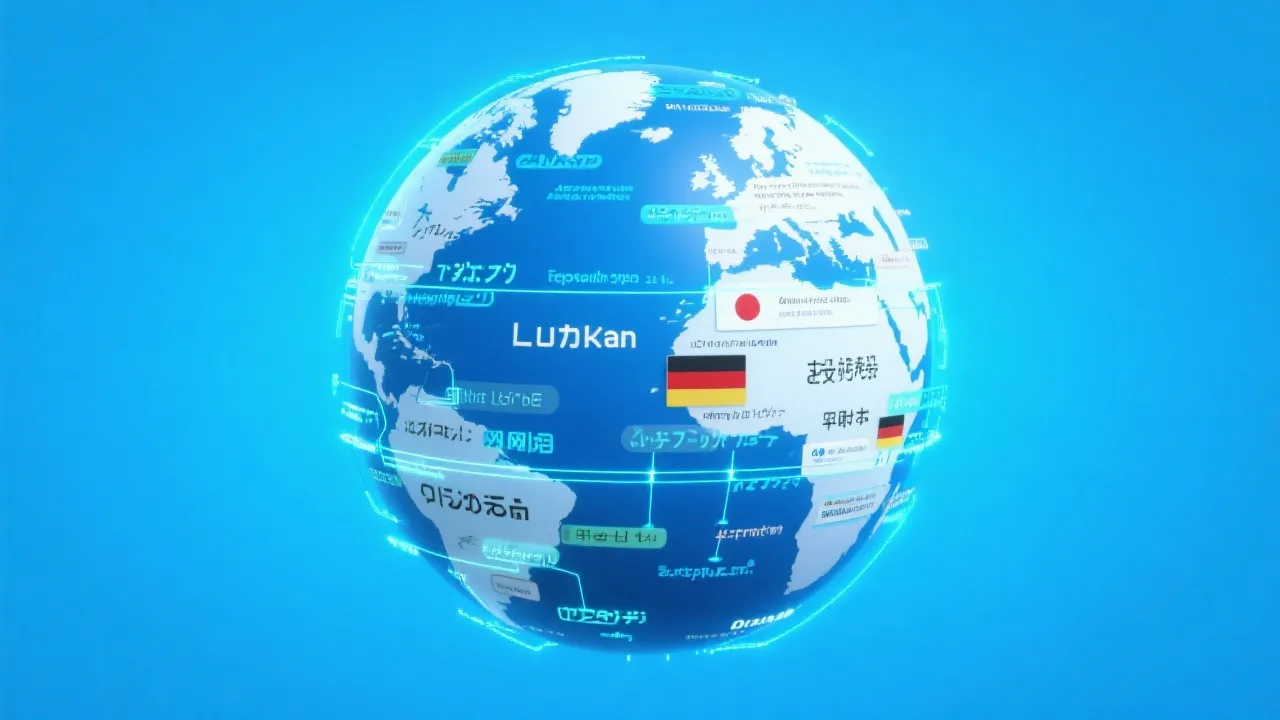
In the realm of cross - border B2B content marketing, multilingual localization is crucial for reaching a global audience. Two core indicators of its professionalism are term consistency and cultural fit. Research shows that about 70% of overseas users may abandon a website due to term errors. Term consistency ensures that your brand's key terms are used uniformly across all languages, which helps build brand recognition. For example, if your company's product is called "smart widget" in English, it should have a consistent and accurate translation in other languages.

Cultural fit, on the other hand, means adapting your content to the cultural norms, values, and preferences of different regions. A study indicates that 80% of consumers are more likely to make a purchase when the content is culturally relevant. This involves using appropriate imagery, colors, and even humor that resonate with the local audience.
Using AI Tools to Automatically Detect and Optimize Content Localization Quality
AI has revolutionized content localization. AI tools can automatically scan your multilingual content for term errors, cultural insensitivities, and grammar mistakes. These tools often use natural language processing algorithms to analyze the text and provide suggestions for improvement. For instance, an AI tool can flag a phrase that may have a negative connotation in a particular culture. By using AI, you can save up to 60% of the time spent on manual content review.

To effectively use AI tools, you need to integrate them into your content creation workflow. Start by uploading your multilingual content to the AI platform. The tool will then generate a report highlighting areas that need improvement. You can then make the necessary changes and re - run the analysis until the content meets the desired quality standards.
Key Control Points for Global Market Content Publishing Rhythm and Brand Tone Uniformity
Maintaining a consistent content publishing rhythm is essential for engaging your global audience. A regular posting schedule helps build anticipation and keeps your brand top - of - mind. For example, if you publish a new blog post every two weeks in English, you should maintain a similar rhythm for other languages. Additionally, your brand tone should be consistent across all languages. Whether it's a formal, friendly, or technical tone, it should be reflected in every piece of content.
To achieve this, create a brand style guide that includes guidelines for tone, vocabulary, and formatting. Share this guide with your content creation and localization teams. This ensures that everyone is on the same page when it comes to maintaining brand consistency.
Content Localization Failure Case Review: Common Mistakes and Avoidance Guides
Many companies make common mistakes in content localization. One of the most frequent errors is literal translation, which can lead to misunderstandings and cultural faux - pas. Another mistake is ignoring local search engine optimization (SEO) rules. For example, keyword usage may vary from one language to another, and failing to adapt your SEO strategy can result in poor search rankings.

To avoid these mistakes, conduct thorough research on the target market before starting the localization process. Hire local experts or translators who are familiar with the local culture and SEO requirements. Also, test your localized content with a small group of the target audience to get feedback.
Evaluating Localization Effectiveness with Data Feedback Mechanisms
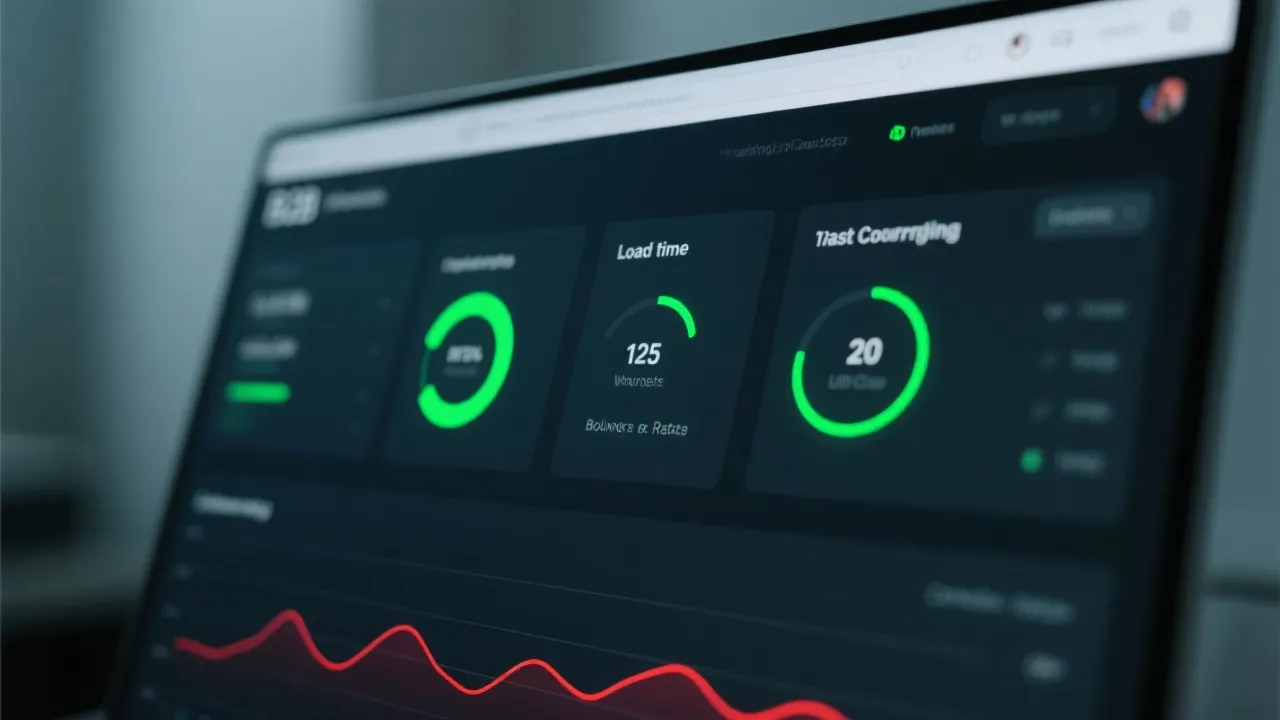
Data feedback mechanisms such as click - through rate (CTR) and average page - visit duration can provide valuable insights into the effectiveness of your content localization. A high CTR indicates that your content is attracting the attention of your target audience, while a long average page - visit duration suggests that the content is engaging. You can use analytics tools like Google Analytics to track these metrics.
Based on the data, you can make informed decisions about what aspects of your content need improvement. For example, if a particular language version has a low CTR, you may need to adjust the headlines or call - to - action (CTA) buttons.
Embedding Localization Review in the Team Collaboration Process
Incorporating a localization review step in your team collaboration process is crucial for ensuring high - quality content. This can be done by creating a workflow where content is first created in the source language, then translated, and finally reviewed by a localization expert. The review process should check for term consistency, cultural fit, and SEO compliance.
You can also use a localization quality scoring matrix to evaluate the content. This matrix can include criteria such as term accuracy, cultural relevance, and formatting consistency. By using such a matrix, you can objectively measure the quality of your localized content.
Let every piece of content become your global sales assistant. Don't let content localization be a stumbling block for your business. Say goodbye to inefficient trial - and - error and embark on a new era of intelligent content operation. If you want to learn more about optimizing your cross - border B2B content for global markets, click here.
Please share your localization challenges in the comments section below. We'd love to hear from you!
.png?x-oss-process=image/resize,h_100,m_lfit/format,webp)
.png?x-oss-process=image/resize,h_100,m_lfit/format,webp)

.png?x-oss-process=image/resize,h_100,m_lfit/format,webp)
.png?x-oss-process=image/resize,h_100,m_lfit/format,webp)
.png?x-oss-process=image/resize,h_100,m_lfit/format,webp)
.png?x-oss-process=image/resize,h_100,m_lfit/format,webp)
