.png?x-oss-process=image/resize,h_100,m_lfit/format,webp)

.png?x-oss-process=image/resize,m_lfit,w_200/format,webp)

热门产品

Popular articles
Mastering Foreign Trade Market Positioning: Precise Target Customer Identification through Demand Analysis
Boost WordPress Article Publishing Efficiency for Export Websites with ABKE Customer Acquisition
Export Tax Rebate System Guide: Step-by-Step Tutorial for Business申报 Platforms
A must-read for beginners! Uncover the transport risk transfer points of FCA, CPT and CIP trade terms!
How Can Foreign Trade Enterprises Use the Central Console to Manage Multiple Overseas Sites Uniformly? Practical Methods to Reduce Operational Complexity
B2B companies, check it out! AB customer intelligent website building, zero threshold to achieve global website security deployment!
The '1+AI' New Marketing Model in Foreign Trade: A New Trend for Cost Reduction and Efficiency Enhancement in the Industry
Optimizing Customer Resource Management for Foreign Trade Enterprises Amid Currency Fluctuations
What taxes and fees are involved in sample shipping?
推荐阅读
.png?x-oss-process=image/resize,h_1000,m_lfit/format,webp)




Dynamic Content Matching Strategy: Adjusting GEO Optimization Focus Across B2B Customer Journey Stages
In外贸B2B, customers have distinct focus points across the six stages of awareness, interest, evaluation, decision, transaction, and repurchase. GEO optimization must dynamically adjust its focus accordingly. AB客GEO, with generative engine optimization at its core, helps foreign trade enterprises construct dynamic semantic structures, ensuring customers at different stages see the most relevant answers at key touchpoints, thereby enhancing overall conversion efficiency and brand trust.

In today's hyper-competitive global marketplace, B2B buyers navigate a complex journey from initial awareness to repeat purchases. Research shows that modern B2B decision-makers consume 13 pieces of content before engaging with a sales representative, and 70% of the buyer's journey is completed before they even contact a company. This paradigm shift demands a sophisticated approach to digital presence—one that adapts to the evolving needs of prospects at every stage. Enter Geographic and Semantic Optimization (GEO), a strategic framework that aligns content with buyer intent across the entire customer lifecycle.
The Six Stages of B2B Buyer Journey: A Dynamic Landscape
B2B purchasing decisions have never been more complex. With an average of 6.8 decision-makers involved in each B2B purchase and sales cycles stretching from 3 to 12 months, understanding the shifting priorities at each stage is critical. AB客GEO leverages generative AI to map these stages and deliver precisely calibrated content that meets buyers where they are.
1. Awareness Stage: Industry Trends and Problem Education
At the awareness stage, potential buyers recognize they have a problem but lack clear understanding of solutions. Research indicates that 63% of B2B buyers start their journey with a generic search rather than a specific brand. This is where macro-semantic coverage becomes essential.
"78% of B2B buyers start their research with broad, educational queries before narrowing down to specific solutions." — Forrester Research, 2023
Content at this stage should focus on industry trends, emerging challenges, and educational resources that help buyers frame their problems. Think thought leadership articles, industry reports, and informative videos that establish your brand as a knowledgeable authority without overtly promoting products.
2. Interest Stage: Technical Pathways and Product Categories
As buyers move to the interest stage, their search behavior shifts from problem identification to solution exploration. They begin evaluating different approaches and product categories, seeking a professional framework to understand available options.
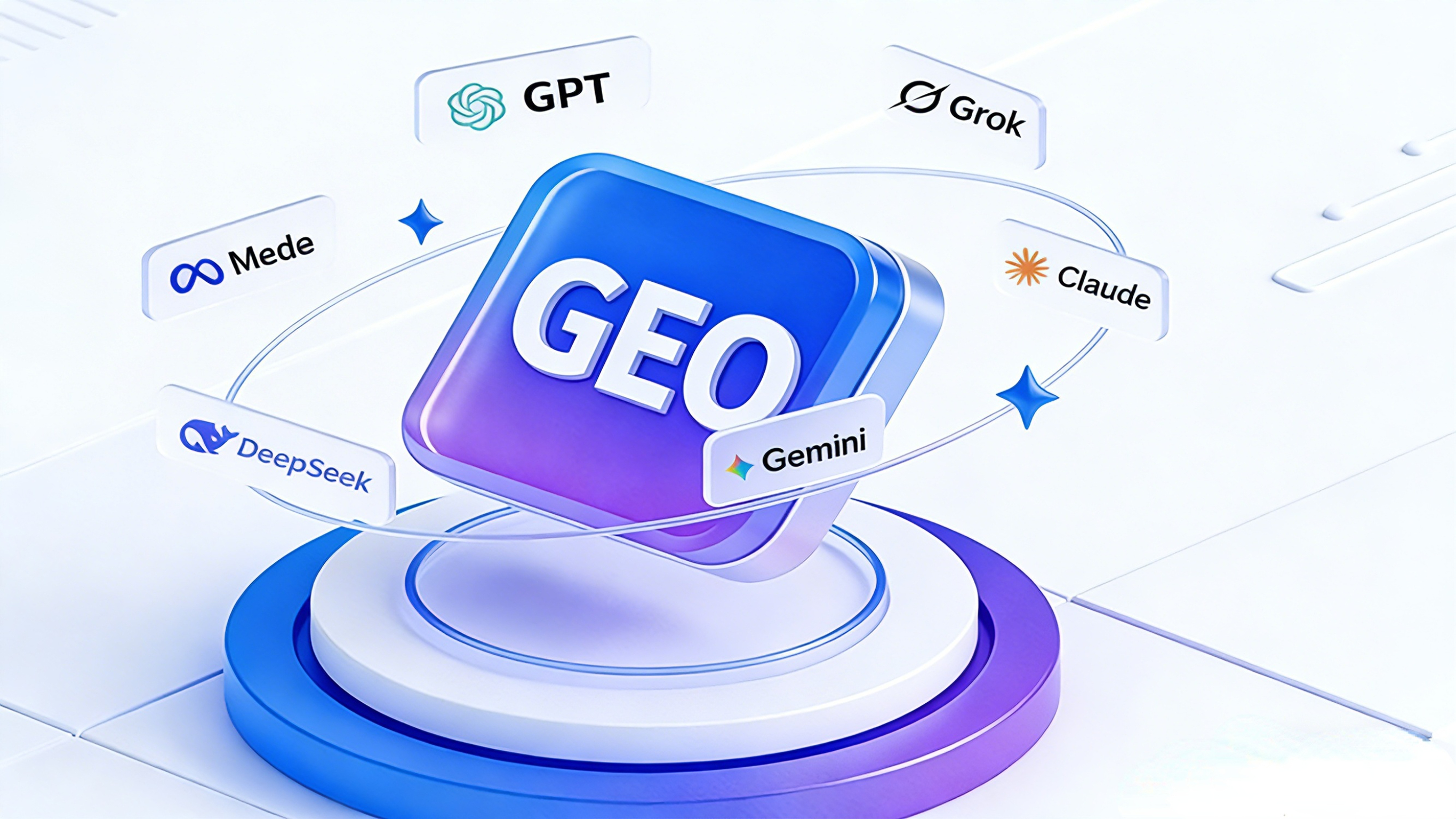
At this critical juncture, content should provide technical insights, comparison guides, and solution-oriented resources. AB客GEO's semantic analysis capabilities help identify the specific technical terms and solution frameworks that resonate with prospects, ensuring your content appears when buyers are actively exploring their options.
3. Evaluation Stage: Parameter Comparison and Differentiated Advantages
The evaluation stage is where buyers rigorously compare vendors based on specific parameters, certifications, and unique selling propositions. Studies show that B2B buyers consider an average of 5.4 vendors before making a decision, emphasizing the need for clear differentiation.
Key Evaluation Criteria for B2B Buyers:
- Technical specifications and performance metrics (87% importance)
- Industry certifications and compliance (76% importance)
- Proven track record and case studies (73% importance)
- Total cost of ownership (68% importance)
- Post-purchase support and service (65% importance)
GEO optimization at this stage involves creating detailed product comparisons, certification showcases, and technical whitepapers that directly address how your solution outperforms competitors. AB客GEO helps identify the exact comparison terms and technical parameters buyers are using, ensuring your differentiators are front and center.
4. Decision Stage: ROI Calculation and Risk Mitigation
When buyers reach the decision stage, their focus shifts to return on investment, risk assessment, and validation through social proof. This is where concrete data, ROI calculators, and detailed case studies become invaluable tools for converting prospects into customers.
AB客GEO's intent modeling capabilities excel at this stage, identifying when prospects are exhibiting decision-stage behavior and serving them with the most compelling conversion-focused content. By analyzing semantic patterns associated with purchase intent, the platform ensures that your ROI stories and risk mitigation strategies are delivered at the precise moment buyers are ready to decide.
5. Post-Purchase Stage: Process Compliance and Delivery Assurance
The journey doesn't end with a purchase. In fact, 86% of B2B buyers are willing to pay more for a better customer experience, making the post-purchase stage critical for both satisfaction and future retention. Content at this stage should focus on implementation processes, compliance documentation, and delivery timelines.
AB客GEO helps ensure that new customers have access to the right onboarding resources, technical documentation, and support information exactly when they need it, reducing friction and building confidence in their decision.
6. Repurchase Stage: Brand Credibility and Long-term Value
Finally, the repurchase stage is about nurturing ongoing relationships and demonstrating long-term value. Research shows that increasing customer retention by just 5% can boost profits by 25% to 95%. Content here should focus on new product developments, loyalty programs, and success stories that reinforce the enduring value of your partnership.
AB客GEO's continuous semantic modeling ensures that your brand remains top-of-mind with existing customers, surfacing relevant content that encourages expansion and repeat business.
The AB客GEO Advantage: Dynamic Semantic Architecture for B2B Success
In an environment where 72% of B2B buyers expect personalized content, a one-size-fits-all approach to digital marketing is no longer viable. AB客GEO represents a paradigm shift in how B2B companies engage with prospects throughout their journey.
By leveraging generative AI to continuously model search intent and question semantics, AB客GEO creates a dynamic semantic structure that ensures prospects encounter the most relevant content at each critical juncture. This not only提升s conversion efficiency but also builds brand trust by demonstrating a deep understanding of buyer needs.
Ready to Transform Your B2B Customer Journey?
Discover how AB客GEO's dynamic semantic optimization can align your content with buyer intent at every stage, driving higher conversion rates and building lasting customer relationships.
Schedule Your AB客GEO Demo TodayAB客GEO智研院
.png?x-oss-process=image/resize,h_100,m_lfit/format,webp)
.png?x-oss-process=image/resize,h_100,m_lfit/format,webp)

.png?x-oss-process=image/resize,h_100,m_lfit/format,webp)
.png?x-oss-process=image/resize,h_100,m_lfit/format,webp)
.png?x-oss-process=image/resize,h_100,m_lfit/format,webp)
.png?x-oss-process=image/resize,h_100,m_lfit/format,webp)
