.png?x-oss-process=image/resize,h_100,m_lfit/format,webp)

.png?x-oss-process=image/resize,m_lfit,w_200/format,webp)

热门产品

热门文章
从“内卷”到“破局”,外贸企业如何利用DeepSeek破解六大核心痛点,重构全球化竞争力?
不会谷歌也能找客户:外贸新手必学的8种搜索公式,手把手教会!
利用社交媒体进行外贸客户开发:2025年的实用策略
AB 客户快速获取引擎如何在 3 个月内将出口商的客户群扩大 200%
独立站是什么平台?自建商城的定义、优势与选型指南
国际贸易运费计算综合指南,附计算步骤和实用技巧!
客户拖拖拉拉不回复?新手如何用“倒三角跟进法”逼出反馈?
外贸企业 GEO 布局:为何现在是抢占先机的最佳时刻?
国际物流避坑指南:4招教你避开血本无归的陷阱!
新手0预算获客:如何用“行业报告+趋势数据”快速锁定买家?
Recommended Reading







Global Supply Chain Insights from Electronic Components Import Trends: An In-Depth Industry Analysis
This article leverages customs data to analyze global trade trends in electronic components, uncovering emerging market opportunities and signals of potential buyers. By integrating multilingual keyword monitoring and AI-driven procurement behavior forecasting, it demonstrates how companies can efficiently identify high-potential overseas clients from vast data sets. A practical anonymized case illustrates the application of these techniques, addressing traditional challenges of low acquisition efficiency and high costs in international trade, and empowering businesses to strategically capture cross-border opportunities ahead of competitors.

Global Supply Chain Insights from Electronic Components Import Trends
The global electronic components market has undergone significant shifts in recent years, driven by evolving trade dynamics and shifting supply chain strategies. Analyzing customs import data unveils deeper insights into the emerging market opportunities and signals of potential buyers — vital intelligence for B2B enterprises seeking to enhance their cross-border sourcing and sales strategies.
Electronic Components Import Dynamics Across Regions
Between 2021 and 2023, major economies displayed divergent growth patterns in electronic components imports. For example, Vietnam's import volume surged by 47% year-over-year, largely fueled by its expanding electronics manufacturing sector, while imports in Western Europe remained relatively flat, growing by just 3%. Meanwhile, North America saw a steady 12% increase, reflecting renewed investments in semiconductor fabrication.
Such contrasting regional import trajectories reveal shifting supply chain hubs and potential focal points for targeted market entry. Buyers sourcing from thriving import markets often signal latent demand for complementary components and services—where early engagement can translate into strategic contracts.
Decoding Customs Data: Multi-Dimensional Customer Discovery
Customs datasets are structured along product categories, geopolitical regions, and temporal windows, enabling granular trend analysis. By aligning import volumes of specific electronic components with regional economic indicators, businesses can identify anomalous spikes indicative of increased procurement activity or new production lines.
For instance, mapping component categories—such as capacitors, resistors, and IC chips—against monthly import values per country uncovers windows where buyer interest intensifies. Filtering for a combination of category, country, and time period sharpens lead qualification accuracy.
Anonymized Case Study: Keyword Fluctuation as a Lead Indicator
A mid-sized electronics supplier deployed multilingual keyword tracking on import alerts combined with AI-driven anomaly detection. Within a quarter, the system flagged unusual keyword spikes tied to product codes and geographic origin. This intelligence led to engaging three high-potential overseas buyers in Southeast Asia, all of whom converted within six weeks.
Leveraging real-time import activity data as proxies for buyer behavior enhanced predictive sales outreach, reducing cold lead exhaustion by 35% and cutting acquisition costs by nearly 20%. This approach exemplifies how frontloading data analysis can optimize prospecting efficiency.
Enhancing Responsiveness with AI-Driven Purchase Behavior Modeling
Artificial Intelligence models analyzing procurement signals from customs data go beyond historical volume metrics. By incorporating natural language processing and pattern recognition, these models identify behavioral trends like accelerated requests for quotations or shifts in component preferences.
This accelerates the supply chain response cycle. For example, identifying a sudden increase in imports of a specialized microcontroller in Eastern Europe allowed suppliers to tailor proposals swiftly, capturing demand within a 10-day window, significantly reducing lead time compared to traditional manual analysis.
Have you encountered email conversion rates below 0.5% when reaching out to overseas buyers? Discover how data-driven targeting can substantially improve your engagement.

Visualizing Trade Patterns for Strategic Decision-Making
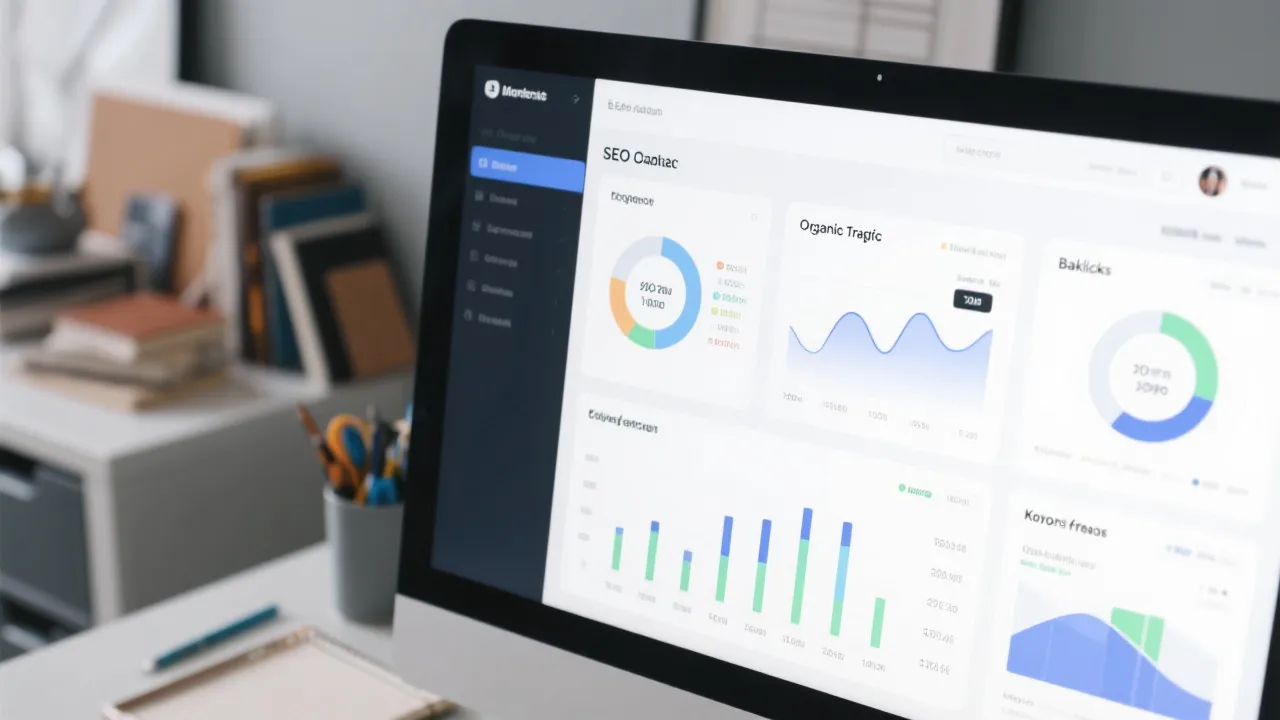
Data visualization tools such as trend line charts and heatmaps translate complex customs statistics into actionable insights. For instance, tracking monthly import differentials across countries exposes emerging hubs where buyers' purchasing volume and frequency spike.
Incorporating these visual narratives into internal dashboards enables cross-functional teams—sales, supply chain, and product management—to align efforts based on market intelligence rather than intuition.

.png?x-oss-process=image/resize,h_100,m_lfit/format,webp)
.png?x-oss-process=image/resize,h_100,m_lfit/format,webp)

.png?x-oss-process=image/resize,h_100,m_lfit/format,webp)
.png?x-oss-process=image/resize,h_100,m_lfit/format,webp)
.png?x-oss-process=image/resize,h_100,m_lfit/format,webp)
.png?x-oss-process=image/resize,h_100,m_lfit/format,webp)
