.png?x-oss-process=image/resize,h_100,m_lfit/format,webp)

.png?x-oss-process=image/resize,m_lfit,w_200/format,webp)

热门产品

Popular articles
(Updated for 2025) A comprehensive list of 120 global cross-border e-commerce platforms, including entry requirements, registration thresholds, and suitable categories!
2025 latest! Detailed explanation of the customs declaration process in import and export trade, just save this one!
2025 Foreign Trade Business Full Process Standard SOP Script White Paper, everyone should get a copy now!
A summary of the blood and tears of foreign trade newcomers: a complete guide to developing customer channels for free and paid (professional test of the path to explosive sales)
A must-have for first-time exhibitors! A complete guide to the 137th Canton Fair: invitation and booth techniques/follow-up email templates
The Sino-US trade war escalates: in-depth analysis of the affected domestic industries and the response strategies of Chinese companies!
The customer said the price was too expensive. Here are 8 ways to easily deal with it, including high EQ sales talk and cases!
A complete analysis of import and export customs clearance: processes, steps, efficiency improvements and precautions, a comprehensive summary of knowledge points!
Recommended Reading


(1).png?x-oss-process=image/resize,h_1000,m_lfit/format,webp)





Essential Insights for New Exporters: In-Depth Analysis of Maritime Transportation Features and Applications
This comprehensive guide is tailored for newcomers in international trade, offering detailed insights into the characteristics and applicable scenarios of maritime transportation. It includes a comparative analysis of various shipping methods, guidance on selecting logistics providers, freight cost calculations, and cargo insurance considerations. Additionally, practical recommendations are provided through case studies to help optimize supply chain management effectively.
.jpg?x-oss-process=image/resize,h_1000,m_lfit/format,webp)
Introduction to Ocean Freight for Newcomers
As a newcomer to the world of international trade, understanding ocean freight is crucial. Ocean freight, known for its cost - effectiveness and large - volume capacity, is the backbone of global trade. In fact, around 90% of the world's traded goods are transported by sea, making it an essential part of any supply chain strategy.
.jpg)
Characteristics of Ocean Freight
Cost - Efficiency
Ocean freight is generally the most cost - effective option for large - volume shipments. For example, shipping a 20 - foot container of goods from China to the United States might cost around $1,500 - $3,000, which is significantly lower compared to air freight. The following table shows a simple comparison of costs between ocean and air freight for different shipment volumes:
| Shipment Volume | Ocean Freight Cost | Air Freight Cost |
|---|---|---|
| Small (Less than 1 cubic meter) | Not very cost - effective | Relatively high |
| Medium (1 - 20 cubic meters) | Cost - effective | High |
| Large (More than 20 cubic meters) | Very cost - effective | Extremely high |
Large Capacity
One of the most significant advantages of ocean freight is its ability to carry large - scale cargo. A standard 40 - foot container can hold up to 67 cubic meters of goods, and larger vessels can carry hundreds or even thousands of such containers. This makes it ideal for transporting bulk commodities like grains, coal, and large - scale manufactured products.
Low - Energy Consumption
Compared to other transportation modes, ocean freight has relatively low energy consumption per unit of cargo. On average, it consumes about 0.5 - 1 liter of fuel per ton - kilometer, which is much lower than air freight and road transport. This not only reduces costs but also has a lower environmental impact.
Suitable Scenarios for Ocean Freight
Bulk Commodity Trade
As mentioned earlier, ocean freight is the preferred choice for bulk commodity trade. For example, countries like Australia export large amounts of iron ore to China, and Brazil exports soybeans to Europe. The large - scale nature of these commodities requires a transportation mode with high capacity, and ocean freight fits the bill perfectly.
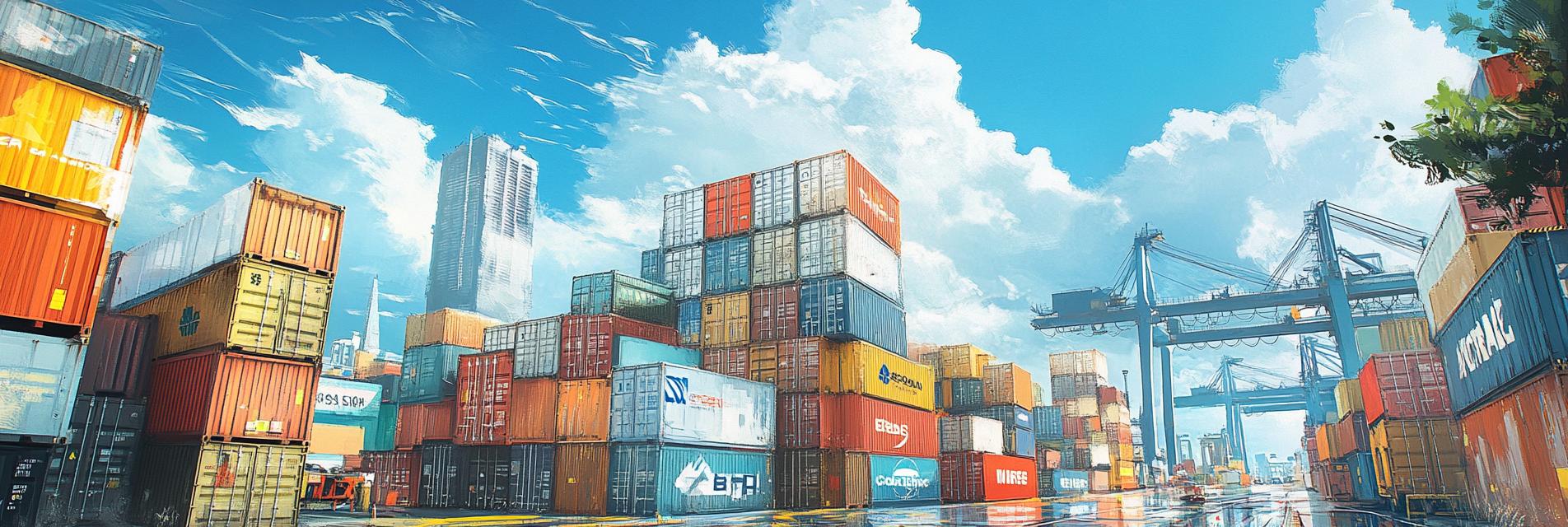
Non - Urgent Shipments
If your goods are not time - sensitive, ocean freight is a great option. For instance, consumer goods like clothing, furniture, and electronics can be shipped via sea. Although the transit time is longer, usually ranging from 15 - 45 days depending on the route, the cost savings are substantial.
Long - Distance Trade
For long - distance trade between continents, ocean freight is the most practical solution. Shipping goods from Asia to North America or Europe by sea is much more feasible than other modes of transportation. It can handle the large distances and large volumes associated with international trade.
Comparing Different Ocean Freight Modes
There are mainly two types of ocean freight: Full Container Load (FCL) and Less than Container Load (LCL). FCL is suitable for large - volume shipments where you have enough goods to fill an entire container. LCL, on the other hand, is for smaller shipments where your goods are combined with other shippers' goods in a shared container. The following table compares the two:
| Mode | Suitable Shipment Volume | Advantages | Disadvantages |
|---|---|---|---|
| FCL | More than 20 cubic meters | Less handling, faster transit, better security | Higher cost if not fully utilized |
| LCL | Less than 20 cubic meters | Cost - effective for small shipments | More handling, longer transit time |
Selecting a Logistics Provider
Choosing the right logistics provider is crucial for a smooth ocean freight experience. Look for providers with a good reputation, extensive network, and experience in handling your type of goods. Check their customer reviews and ask for references. Also, ensure they offer comprehensive services such as customs clearance, cargo insurance, and tracking.
Calculating Freight Costs
Freight costs are calculated based on several factors, including the volume and weight of the cargo, the shipping route, the type of container, and the season. As a general rule, the heavier and larger the cargo, the higher the cost. You can get quotes from multiple logistics providers to compare prices and find the best deal.
Cargo Insurance
Given the long transit times and potential risks associated with ocean freight, cargo insurance is highly recommended. It can protect your goods against damage, loss, or theft during transit. Most logistics providers can offer cargo insurance services, and the cost is usually a small percentage of the value of the goods.
Conclusion and CTA
By understanding the characteristics and suitable scenarios of ocean freight, as well as related knowledge such as different shipping modes, logistics provider selection, freight cost calculation, and cargo insurance, you can make more informed decisions in your international trade operations. If you're ready to optimize your supply chain with ocean freight, contact us today to get started on your journey to more efficient and cost - effective shipping!
.png?x-oss-process=image/resize,h_100,m_lfit/format,webp)
.png?x-oss-process=image/resize,h_100,m_lfit/format,webp)

.png?x-oss-process=image/resize,h_100,m_lfit/format,webp)
.png?x-oss-process=image/resize,h_100,m_lfit/format,webp)
.png?x-oss-process=image/resize,h_100,m_lfit/format,webp)
.png?x-oss-process=image/resize,h_100,m_lfit/format,webp)
