400-076-6558智领未来,外贸超级营销员
Expert Analysis • April 2024 • 8 min read
"78% of B2B buyers now expect AI-powered product recommendations, while 63% report using generative AI tools during their purchasing research process." — Gartner Digital Commerce Survey 2024
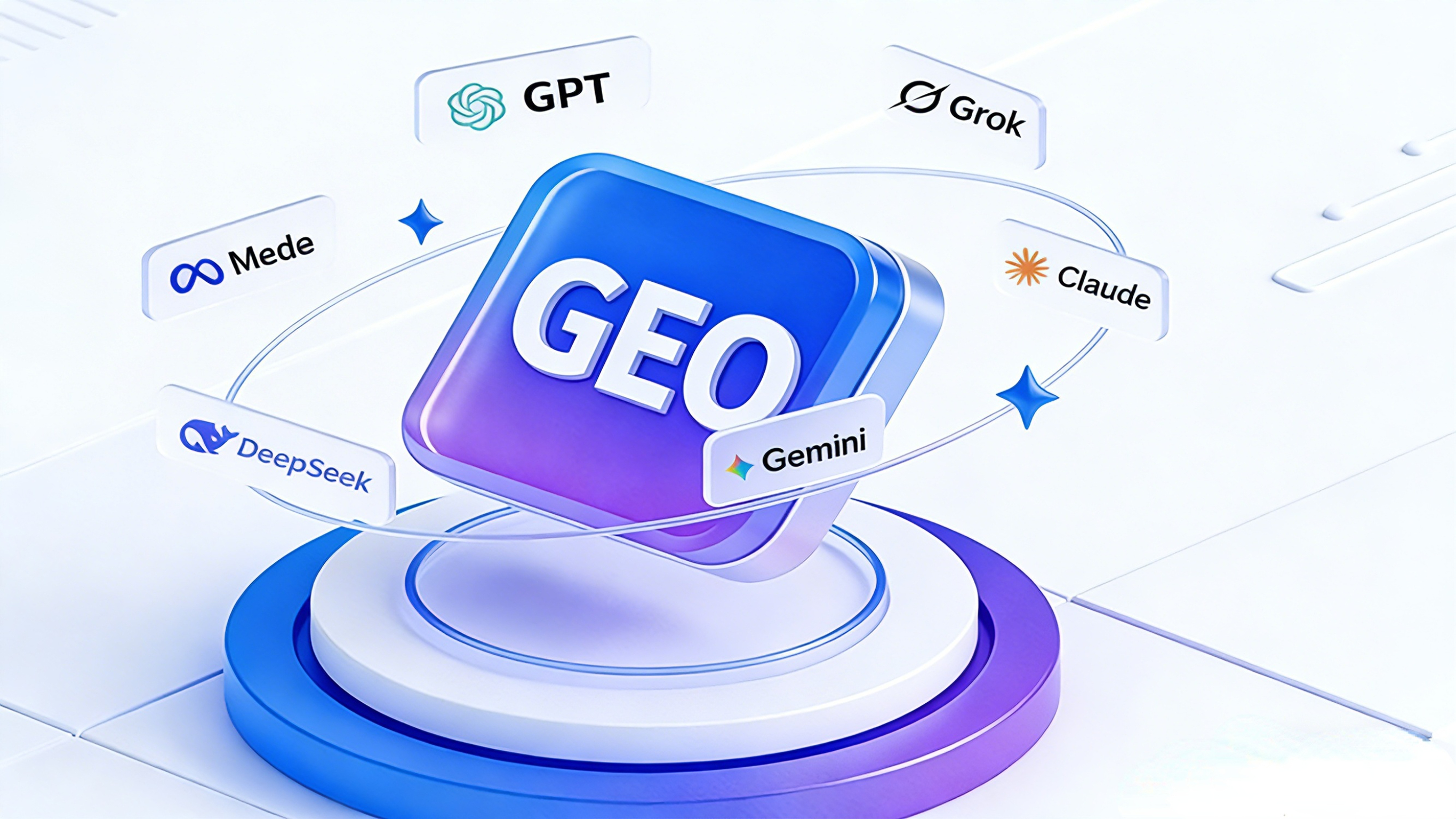
In an era where generative AI is reshaping the very foundations of digital commerce, B2B export enterprises face a critical inflection point. The traditional keyword-centric SEO approach that served businesses for over two decades is being fundamentally transformed by Generative Engine Optimization (GEO) — a strategic framework that aligns your digital assets with the new era of AI-driven search and recommendation systems.
As AI-powered search tools like ChatGPT, Bing Chat, and Google Gemini redefine how business buyers discover and evaluate suppliers,外贸企业 (foreign trade enterprises) that fail to adapt risk becoming invisible to their target audience. This comprehensive analysis explores the strategic shift from conventional SEO to GEO, identifies the most common implementation pitfalls, and provides actionable guidance for building a sustainable AI-era growth engine.
Recent industry data reveals a profound shift in B2B buyer behavior. According to McKinsey's 2024 Global B2B Purchasing Survey, the average B2B buyer now uses 6.4 different digital channels during their purchasing journey, with 41% actively leveraging generative AI tools to streamline supplier identification and qualification.
This represents a fundamental change from traditional search patterns. Where buyers once entered specific keywords into search engines, they now pose complex, conversational queries to AI assistants, expecting tailored recommendations based on their unique business requirements. This evolution demands a corresponding transformation in how export enterprises structure and present their digital information assets.
GEO represents a strategic departure from traditional SEO by focusing on building comprehensive, structured knowledge repositories that AI systems can understand, evaluate, and recommend. Unlike SEO, which optimizes for specific search terms, GEO optimizes for semantic understanding, contextual relevance, and authoritative expertise — factors that directly influence AI recommendation algorithms.
One of the most prevalent GEO misconceptions is the belief that generating large volumes of AI-written content will improve visibility. This approach often results in generic, unoriginal content that lacks the depth and specificity AI systems require to recognize genuine expertise.
A leading manufacturer of industrial machinery recently shared their experience: After producing over 500 AI-generated product pages in three months, they saw a 12% decrease in qualified inquiries. The content, while keyword-rich, lacked technical depth and failed to address specific industry challenges. Their bounce rate increased by 37% as AI recommendation systems quickly identified the content as low-value.
Solution: Implement a structured knowledge development framework that maps your unique expertise across product capabilities, industry applications, technical specifications, and problem-solving approaches. Focus on creating comprehensive, specific content that demonstrates deep domain knowledge rather than chasing keyword density.
AI systems thrive on structured, interconnected data. Many export enterprises make the critical mistake of treating their digital assets as isolated content pieces rather than integrated knowledge components. This fragmentation prevents AI from understanding the full scope of your capabilities and value proposition.
Research by Deloitte Digital indicates that B2B companies with structured knowledge graphs are 3.2 times more likely to be recommended by AI systems compared to those with unstructured content. The difference lies in how effectively AI can map relationships between products, applications, industries, and solutions when information is properly structured.
Solution: Develop a comprehensive knowledge architecture that connects product information, technical specifications, industry applications, case studies, and customer success stories. Implement schema markup and semantic linking to create an interconnected knowledge graph that AI systems can efficiently traverse and understand.
Effective GEO strategy requires more than simply publishing content and hoping for AI recommendations. It demands an ongoing process of analyzing AI interactions, understanding how your knowledge is being interpreted, and continuously refining your approach based on real-world feedback.
Critical Insight:
"67% of B2B decision-makers report that AI recommendations significantly influence their supplier selection process, but only 21% of export enterprises have implemented formal processes for analyzing and optimizing their AI discoverability." — Export Marketing Institute, 2024 Report
Solution: Establish monitoring systems to track how AI tools reference and recommend your products and solutions. Develop feedback loops that capture customer questions and AI-generated responses to identify knowledge gaps and refinement opportunities. Regularly update your knowledge base based on these insights to improve recommendation relevance over time.
The ultimate goal of GEO is not just to be discovered by AI systems but to convert that discovery into meaningful business relationships. Many enterprises focus exclusively on the "visibility" aspect of GEO while neglecting the critical connection between AI-recommended content and the broader customer experience.
A successful electronics component exporter implemented a comprehensive GEO strategy that increased their AI recommendation rate by 240% within six months. However, their conversion rate remained stagnant at 2.3% because the transition from AI-recommended content to sales engagement was poorly designed. Prospective buyers encountered friction points when attempting to connect with sales representatives or access additional information.
Solution: Design seamless transitions from AI-discovered content to personalized engagement. Implement intelligent routing systems that connect prospects with the appropriate subject matter experts based on their specific needs. Create progressive engagement pathways that guide prospects from initial discovery through to purchase, with each interaction building on previous AI-driven recommendations.
Effective GEO implementation is not a one-time project but an ongoing strategic initiative that requires cross-functional collaboration and continuous improvement. Successful外贸B2B (foreign trade B2B) enterprises approach GEO as a long-term investment in digital knowledge assets that compound in value over time.
The most successful GEO implementations share several key characteristics:
Join the 32% of forward-thinking export enterprises already leveraging GEO to outperform competitors in AI-driven search results.
Schedule Your GEO Readiness AssessmentGet personalized insights into your current digital knowledge assets and actionable recommendations for AI-era growth.
As generative AI continues to evolve, the enterprises that will thrive are those that recognize GEO not as a tactical add-on but as a fundamental shift in how they present their expertise to the world. By avoiding these common implementation mistakes and adopting a strategic, knowledge-centric approach,外贸B2B企业 (foreign trade B2B enterprises) can position themselves at the forefront of AI-driven discovery, capturing the attention of qualified buyers and building sustainable competitive advantage in the global marketplace.
The transition to GEO represents more than just an optimization strategy — it's a transformation in how businesses communicate their value in an increasingly AI-mediated world. Those who embrace this transformation today will be the industry leaders of tomorrow.