.png?x-oss-process=image/resize,h_100,m_lfit/format,webp)

.png?x-oss-process=image/resize,m_lfit,w_200/format,webp)

热门产品

Popular articles
Creating Effective Customer Testimonial Videos to Boost Trust in B2B Purchasing Decisions
AB Ke Rapid Lead Generation Platform in-depth analysis: Revolutionizing B2B export business through intelligent customer acquisition
GEO content creation: How to create high-quality content that attracts AI and impresses customers?
How to write good solutions, customer cases and factory introductions for foreign trade B2B exports?
From Domain Names to Social Media: 5 Key Elements for Building a Global Buyer's First Impression
How to ensure consistency between samples and mass production: sharing practical experience and tips
Zero-Code Website Builder for Global Trade: Build a Multilingual B2B Site in 3 Hours with AI Architecture & SEO Optimization
Revealed: How 5 AI digital teams achieve intelligent upgrade of the entire foreign trade chain
外贸官网加载慢?AI诊断工具如何识别并修复影响询盘的性能瓶颈
推荐阅读




.png?x-oss-process=image/resize,h_1000,m_lfit/format,webp)


Guide to Building a Priority Scoring System for Foreign Trade Customers: Practical Methods to Improve Sales Conversion Rates
In the face of a vast amount of global enterprise data but struggling to screen high - quality customers, this article systematically disassembles how to build a scientific customer priority scoring system. It covers the weight distribution of multi - dimensional indicators such as enterprise scale, industry attributes, transaction records, and social media activity. It also uses procurement behavior prediction algorithms to judge customer maturity, supplemented by practical filtering techniques and time management strategies. This helps sales teams focus on high - value business opportunities and significantly improve conversion rates. It is suitable for foreign trade teams that are just starting out or facing bottlenecks in customer quality to quickly implement and apply.
.jpg?x-oss-process=image/resize,h_1000,m_lfit/format,webp)
Background: The Dilemma of Customer Screening in Foreign Trade
In the global B2B foreign trade landscape, you're often swamped with a vast amount of enterprise data from around the world. This data overload has created a significant challenge in customer screening. The core pain points include low efficiency, high costs, and poor conversion rates. For instance, without an effective screening system, your sales team may spend up to 70% of their time on low - potential leads, resulting in a conversion rate as low as 10%.
.jpg)
Methodology: Multi - Dimensional Customer Evaluation Model
To tackle this issue, a multi - dimensional customer evaluation model can be your savior. This model encompasses several key dimensions: enterprise scale, industry matching degree, historical transactions, and social media activity. Let's break down each dimension:
Enterprise Scale
Larger enterprises usually have greater purchasing power. You can assign a higher weight (e.g., 30%) to enterprise scale in your evaluation model. For example, if a company has over 500 employees and an annual revenue of more than $50 million, they are more likely to be high - value customers.
Industry Matching Degree
A high degree of industry matching means that the customer's business needs are closely related to your products or services. Allocate around 25% of the weight to this dimension. If a customer is in the same or a highly relevant industry as yours, they are more likely to make a purchase.
Historical Transactions
Past transactions are a strong indicator of future behavior. Assign a weight of 25% to historical transactions. Customers with a history of regular purchases and high - value orders are more likely to continue buying from you.
Social Media Activity
Active social media presence can also signal a customer's interest and engagement. Allocate 20% of the weight to this dimension. For example, if a company frequently posts about products similar to yours or engages with your brand on social media, they may be more receptive to your sales efforts.
In addition to these dimensions, you can use a purchase behavior prediction algorithm to further assess customer maturity. This algorithm analyzes various factors such as purchase frequency, average order value, and time since the last purchase to predict the likelihood of a future purchase.
Practical Guidance
Now that you understand the evaluation model, let's move on to the practical steps of building a customer priority scoring system. First, set up filtering conditions based on the dimensions mentioned above. For example, you can filter out companies with a small scale or those in industries that are not relevant to your business.
Next, follow these steps to build the scoring system: define the scoring criteria for each dimension, assign weights to each dimension, calculate the scores for each customer, and then rank the customers based on their scores. Once you have the scores, you can focus your sales efforts on high - scoring customers.
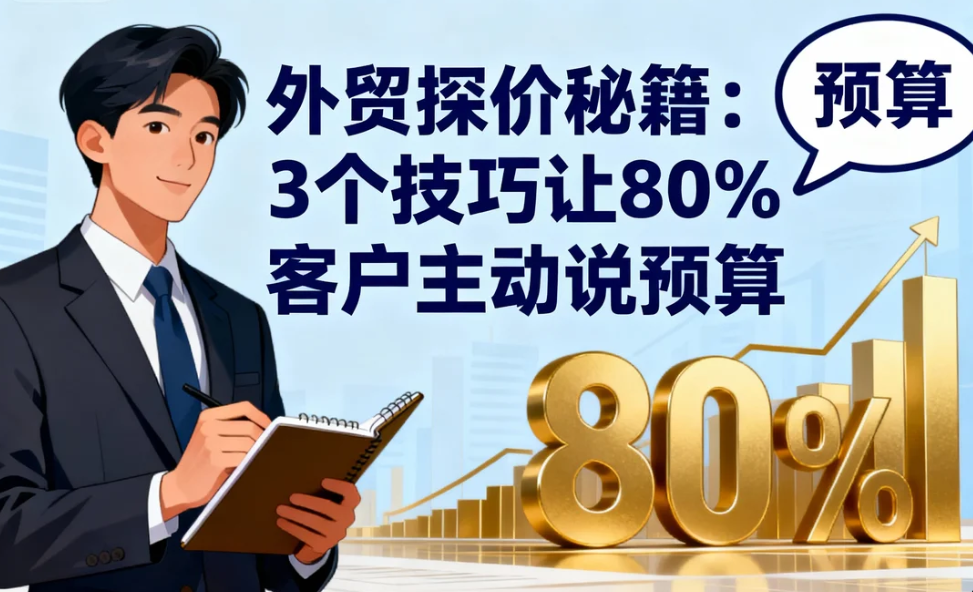
In terms of efficient outreach strategies, you can use personalized email campaigns, targeted social media ads, and direct phone calls to reach out to high - potential customers. Also, manage your time effectively by allocating more time to high - value customers. For example, spend 80% of your time on the top 20% of high - scoring customers.
Case Study
Let's look at a real - world example. A foreign trade company was struggling with a low conversion rate of only 15%. After implementing a customer priority scoring system, they were able to focus on high - value customers. As a result, their conversion rate increased to 52%, a staggering 247% improvement. This shows the effectiveness of a well - built customer priority scoring system.
Tools and FAQ
There are several tools available to help you build and manage your customer priority scoring system, such as CRM software and data analytics tools. Here are some frequently asked questions:
- Q: How often should I update the scoring system? A: It's recommended to update it at least quarterly to reflect the latest customer information.
- Q: What if a customer has a high score but no recent activity? A: You can still reach out to them with a personalized offer to re - engage them.
Now, it's time for you to take action. Don't let the data overload hold you back from achieving high - quality customer acquisition. Try the customer scoring function in AB客's Fast Customer Acquisition Engine at en/products/abke-b2b-client-acquisition-system.html and start your journey to significantly improve your sales conversion rates today!
.png?x-oss-process=image/resize,h_100,m_lfit/format,webp)
.png?x-oss-process=image/resize,h_100,m_lfit/format,webp)

.png?x-oss-process=image/resize,h_100,m_lfit/format,webp)
.png?x-oss-process=image/resize,h_100,m_lfit/format,webp)
.png?x-oss-process=image/resize,h_100,m_lfit/format,webp)
.png?x-oss-process=image/resize,h_100,m_lfit/format,webp)
