.png?x-oss-process=image/resize,h_100,m_lfit/format,webp)

.png?x-oss-process=image/resize,m_lfit,w_200/format,webp)

热门产品

Popular articles
Responding to core risks in foreign trade: market demand fluctuations and intensified competition in 2025!
The golden age of foreign trade customer development is here! AB customer AI automatically attacks, and accurate customers are sent to your door!
Leveraging Competitor Keyword Monitoring for Real-Time SEO Optimization to Overcome B2B Export Customer Acquisition Challenges
Why Success in Foreign Trade Customer Development Depends on Systems, Not Luck
Cost-Effective and High-Efficiency! ABK7*24 AI Customer Acquisition System Empowers B2B Foreign Trade Enterprises to Expand Market Share
Do you really understand the foreign trade process? Essential knowledge for novices!
Corporate Email Marketing Brand Story: Building a Professional and Trustworthy B2B Export Brand Image
Why Your Overseas Customers Visit at Night but Get No Response? AI Chatbot Solution is Here
Find international buyers through Alibaba Wholesale Market
推荐阅读



.png?x-oss-process=image/resize,h_1000,m_lfit/format,webp)






From Identification to Precision: How Foreign Trade Teams Leverage External Sentiment to Verify Customer Activity
This article examines how B2B foreign trade enterprises efficiently utilize a global database of over 200 million companies to perform initial client screening based on industry tags, revenue scale, and purchasing history. By integrating AI-driven models to predict future procurement behavior and validating customer activity through external sentiment sources such as official website updates and LinkedIn dynamics, teams can achieve precise customer targeting. The piece highlights practical methodologies and technical frameworks, emphasizing automation and enhanced manual review efficiency, enabling foreign trade teams to transition from merely finding potential clients to accurately identifying truly active ones, thereby optimizing acquisition outcomes and resource allocation.

From “Findable” to “Precisely Seen”: How Export Teams Verify Customer Activity Through External Market Intelligence
In today’s competitive B2B export landscape, the ability to not only identify potential customers but also accurately assess their purchasing vitality is paramount. Facing oceans of data—over 200 million global business records—export teams must leverage scientific methodologies and digital automation to separate promising leads from dormant or inactive ones. This shift, from simple accessibility (“findable”) to precise engagement (“precisely seen”), dramatically optimizes resource allocation and accelerates deal closure rates.
Harnessing Massive Global Enterprise Databases for Targeted Customer Screening
The cornerstone of an efficient customer acquisition structure lies in pre-processing immense datasets via multi-dimensional filters—industry classification, revenue size, and detailed procurement history. Segmenting enterprises by standardized industry tags ensures alignment with your product verticals; while layering revenue brackets filters for financially capable clients. Procurement historical data further narrows prospects by exposing prior buying behaviors relevant to your category.
AI-Powered Prediction of Future Purchasing Behavior
Beyond static filters, next-level precision hinges on AI models that ingest historical purchase patterns and external signals to forecast client buying cycles. Consider variables such as seasonal demand fluctuations, product lifecycle stages, and emerging market trends. For instance, an AI engine trained on millions of procurement events can anticipate that a prospective client will increase orders ahead of a known new product launch or specific fiscal quarter.
Such predictive capability reduces the cost of chasing cold leads and empowers sales teams to engage clients at optimal windows, boosting conversion rates by an estimated 20–30% compared to traditional approaches.

Validating Customer Activity Through External Market Signals
Verification of client activity is critical to avoid resource wastage on inactive or even fraudulent leads. Export teams now systematically monitor external market intelligence—corporate website updates, LinkedIn posts, press releases, and social media engagements—as complementary signals that indicate operational vitality.
For example, regular company website updates or recent product announcements reflect ongoing business momentum. LinkedIn activity, including hiring trends and executive posts, can signal expansion phases. Integrating such external cues into lead scoring models tightens validation, enabling marketers to prioritize “warm,” dynamically engaged prospects.
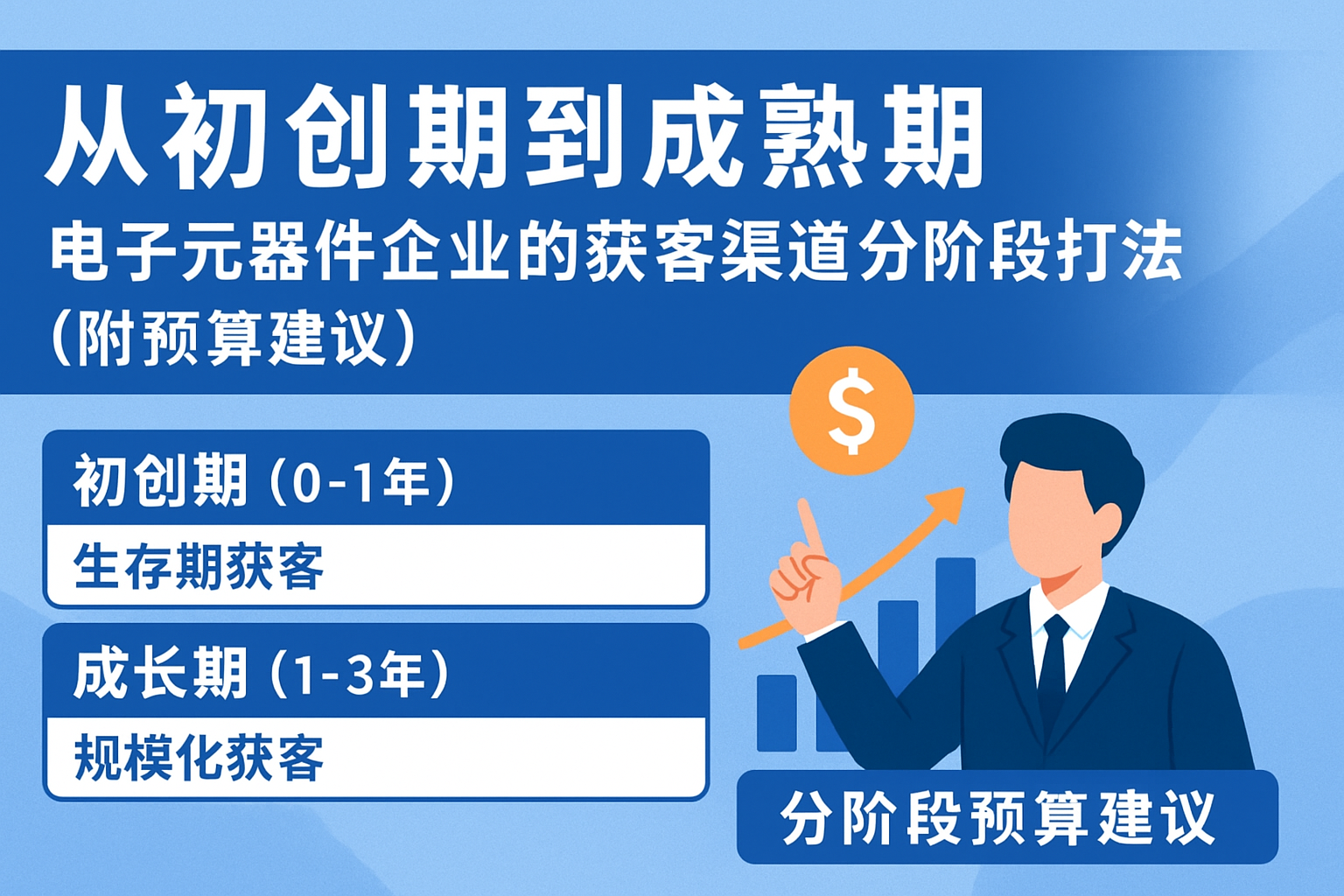 customer engagement trends for export teams" style="max-width: 100%; border-radius: 8px;">
Automation and Data Cleansing: Elevating Efficiency and Accuracy
Manual data handling is infeasible at scale; thus, automated pipelines for continuous data cleansing, normalization, and enrichment are indispensable. These automatic processes update client profiles nightly, recalibrate lead scores, and alert sales when significant activity changes occur.
Export teams report up to 50% reduction in lead qualification time and a 40% increase in meaningful client contacts after adopting such integrated smart screening systems, underscoring the pivotal role of technology-driven workflows.
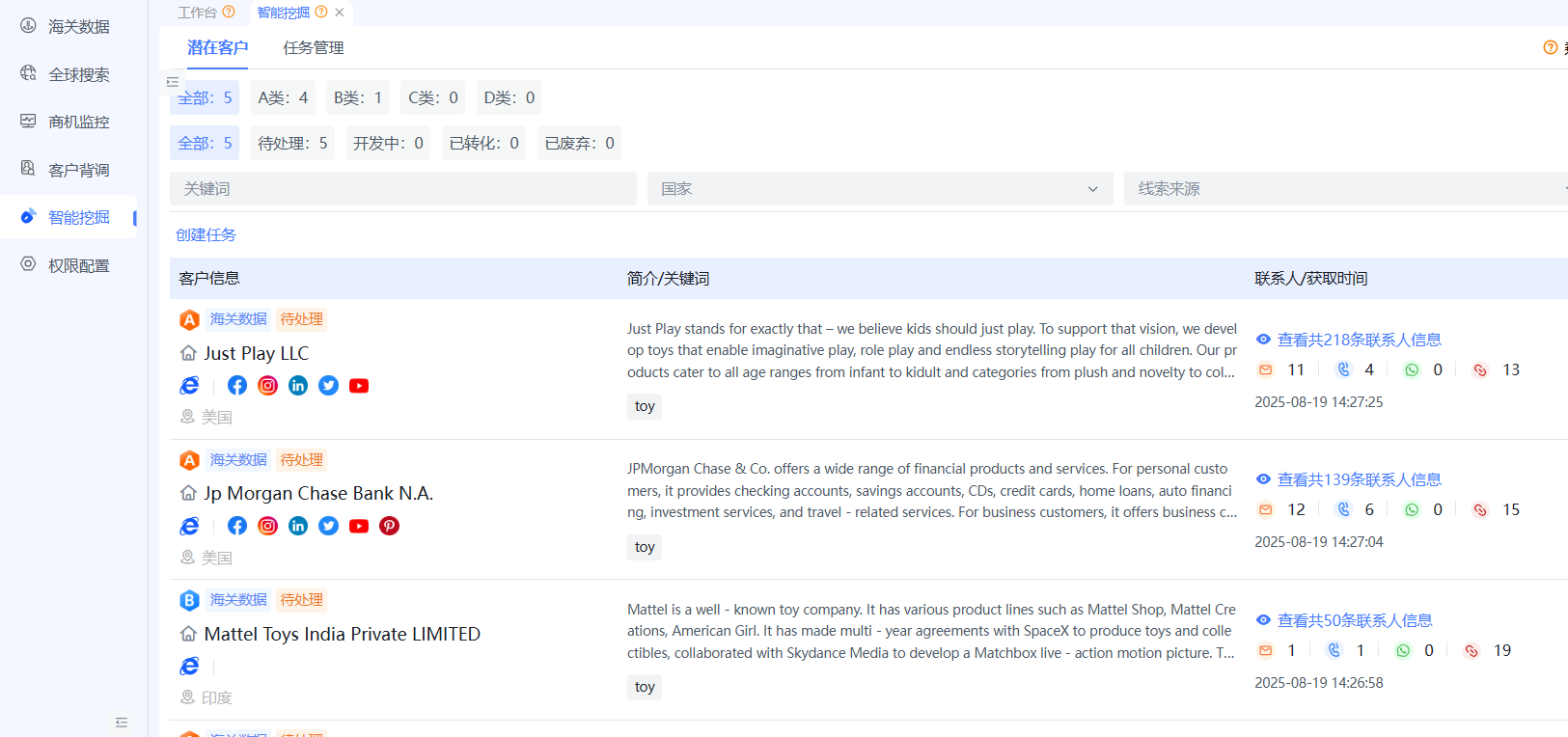
Case in Point: How AB Customer Quick Acquisition Engine Transforms Lead Qualification
AB Customer Quick Acquisition Engine embodies this holistic approach—merging global enterprise databases, AI predictive analytics, and external market signal validation into a seamless platform. Clients leveraging this engine experience an average 35% uplift in lead conversion rate and save over 15 hours weekly on qualification tasks.
By automating scoring, flagging dynamic buyers, and purging low-activity accounts, export teams shift their focus from “finding” clients to “engaging” the right prospects at the right time.
Discover how automation and AI-driven insights can elevate your export sales efficiency today.
.png?x-oss-process=image/resize,h_100,m_lfit/format,webp)
.png?x-oss-process=image/resize,h_100,m_lfit/format,webp)

.png?x-oss-process=image/resize,h_100,m_lfit/format,webp)
.png?x-oss-process=image/resize,h_100,m_lfit/format,webp)
.png?x-oss-process=image/resize,h_100,m_lfit/format,webp)
.png?x-oss-process=image/resize,h_100,m_lfit/format,webp)
