.png?x-oss-process=image/resize,h_100,m_lfit/format,webp)

.png?x-oss-process=image/resize,m_lfit,w_200/format,webp)

热门产品

热门文章
外贸获客软件有用吗?外贸最有效的线上找客户方法
B2B企业如何选择网站建设系统?这几个核心优势不能错过!
外贸圈都炸了!10 分钟建站,询盘暴增200%,狂甩同行十条街!
深入了解进出口贸易流程与报关步骤:老外贸人的实战指南
如何应对客户预算低于报价的情况?
外贸独立站全解析:定义、目的与实战运营攻略
作为国际贸易新手,如何进行竞争对手分析和市场需求研究
当银行因信用证文件不符而拒绝付款时,该怎么办?实用指南!
外贸网站上线后的推广路线图及保姆级教程(SEO + 谷歌广告 + 社媒引流)
外贸新人必备:外贸市场拓展里的常见问题及解决方案最全汇总
推荐阅读


.jpg?x-oss-process=image/resize,h_1000,m_lfit/format,webp)

.png?x-oss-process=image/resize,h_1000,m_lfit/format,webp)
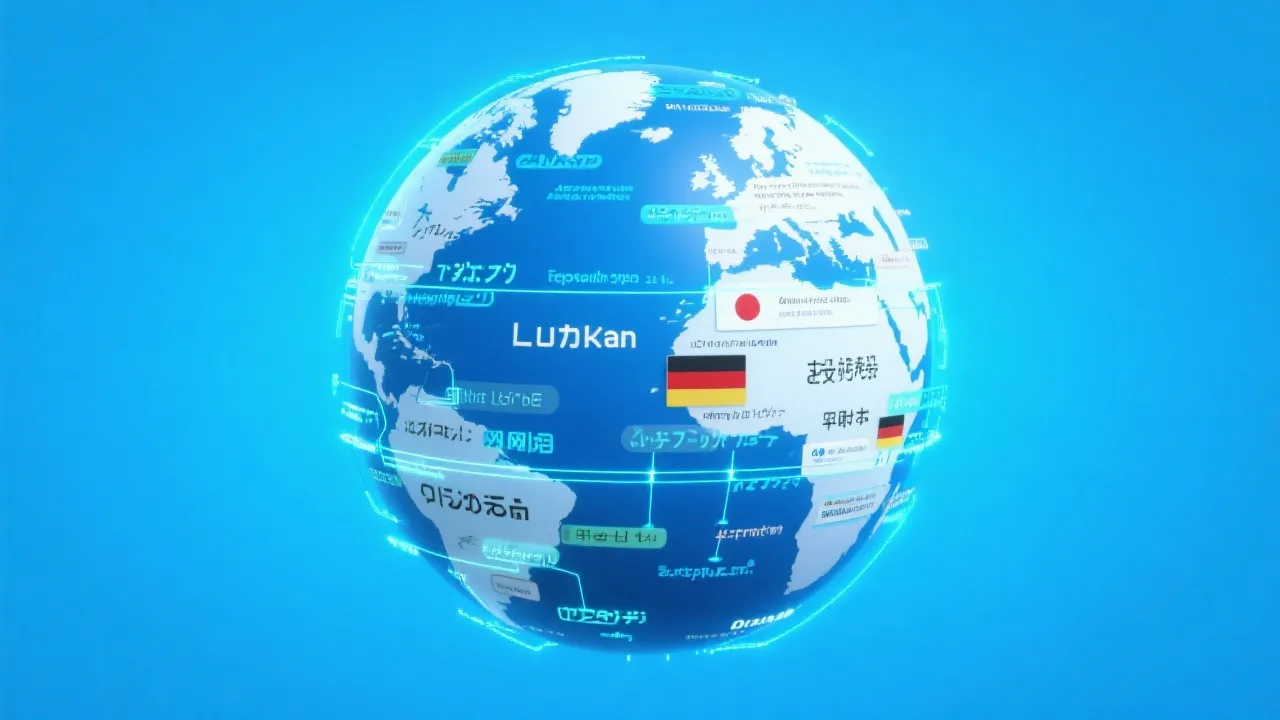



Building an Effective Foreign Trade Keyword Matrix to Boost Organic Traffic in the European Market
Discover how to build an efficient keyword matrix for foreign trade that significantly enhances organic traffic in the European market. This article explores the core framework for developing a content marketing system from scratch: leveraging a layered long-tail keyword strategy (TOF/MOF/BOF) to accurately meet overseas buyers' search intent; integrating localization through language and cultural adaptation to ensure content resonance; and designing a rhythm for social media distribution combined with user journey tracking to close the loop from content exposure to engagement and inquiry conversion. Real-world case studies demonstrate that creating a systematic content asset pool drives steady organic growth, helping you say goodbye to manual SEO inefficiencies and achieve sustainable lead generation.

How to Build an Efficient Foreign Trade Keyword Matrix to Boost Organic Traffic in the European Market
If you want to ditch manual SEO efforts and establish a content asset pool that consistently drives organic traffic and inquiries from Europe, the key lies in crafting a meticulously layered keyword matrix. This strategy doesn’t just improve visibility but directly aligns your content with the intent of European B2B buyers. Let’s unravel how you can create this high-impact system from scratch and turn content marketing into your strongest growth engine.
1. Constructing Your Keyword Matrix: From Broad Awareness to Exact Buyer Intent
A well-structured keyword matrix breaks down your target keywords into three hierarchical layers:
- TOF (Top of Funnel): Broad, discovery-driven keywords that attract general industry traffic (“industrial screws Europe,” “metal hardware suppliers”). Their primary role is to cast a wide net for early-stage buyers seeking information.
- MOF (Middle of Funnel): More specific long-tail keywords that indicate growing buyer interest and evaluation (“stainless steel screws for machinery,” “customized metal fasteners Europe”). These help you engage prospects who are comparing options.
- BOF (Bottom of Funnel): Highly targeted, high-intent keywords aimed at conversion (“bulk order stainless steel screws supplier,” “certified ISO metal fasteners manufacturer”). Here, prospects are ready to buy or negotiate.
Mapping your content around this TOF-MOF-BOF hierarchy enables you to precisely meet the search intent at every stage of the buyer journey. Research by SEMrush indicates that companies with such layered keyword strategies see up to 60% faster organic traffic growth than those relying on generic keywords alone.

2. Adapting Content for the European Market: Language, Culture, and Formats
Building keyword relevance is just the first step. To truly resonate with diverse European buyers, your content must be localized not only linguistically but culturally. This means:
- Using localized search terms and idioms specific to markets like Germany, France, or Spain.
- Respecting cultural nuances — for example, Germans prefer precise data and certifications, whereas Southern Europeans may respond better to relational business tones.
- Employing multiple content formats: detailed technical blogs, concise infographics, and video case studies enhance engagement across different buyer preferences.
For SEO, this cultural adaptation reduces bounce rates by up to 35%, as users find your content genuinely relevant and trustworthy.
3. Designing Social Media Distribution and Interaction Rhythms
It's crucial to synchronize your content output with the right social platforms and interaction models to accelerate exposure and engagement:
- LinkedIn: B2B decision-makers in Europe actively seek professional insights — post TOF and MOF content timed during weekdays mornings for best reach.
- Facebook & Instagram: Use for storytelling and customer testimonials, with community interaction driving trust.
- Twitter: Ideal for quick product updates, industry news, and event-driven conversations.
A planned mix of content forms and posting cadence anchored on audience analytics can increase content share rates by approximately 25%, fueling organic reach without excessive ad spend.

4. Closing the Loop: From Content Exposure to Inquiry Conversion
To convert your newfound organic traffic into qualified inquiries, deploying a solid tracking and optimization mechanism is non-negotiable:
- Implement UTM parameters on all distributed content to analyze traffic sources effectively.
- Use behavior analytics tools to monitor dwell time, scroll depth, and interaction rates, identifying what content drives engagement versus bounce.
- Run continual A/B testing on CTAs, page layouts, and content formats to refine messaging and improve inquiry conversion rates.
This data-driven approach enables you to optimize your content funnel and improve inquiry conversion by up to 20% over three months, turning organic traffic into tangible business leads.
5. Proven Success: European Hardware Exporter’s Content Asset Pool Strategy
Consider a mid-sized European hardware exporter focusing on stainless steel fasteners. By establishing a layered keyword matrix, tailoring multilingual blog posts, and orchestrating a synchronized social campaign, they created a growing content asset pool. Their ongoing optimization and analysis cycle:
- Increased organic site visits by 55% in half a year.
- Boosted monthly inquiries by 40%, sustainably elevating lead quality.
- Reduced paid ad reliance, achieving better ROI through organic means.
How can your company apply these principles? What stages in your current SEO and content marketing plan could adopt a more structured keyword matrix or data-driven optimization?
.png?x-oss-process=image/resize,h_100,m_lfit/format,webp)
.png?x-oss-process=image/resize,h_100,m_lfit/format,webp)

.png?x-oss-process=image/resize,h_100,m_lfit/format,webp)
.png?x-oss-process=image/resize,h_100,m_lfit/format,webp)
.png?x-oss-process=image/resize,h_100,m_lfit/format,webp)
.png?x-oss-process=image/resize,h_100,m_lfit/format,webp)
