.png?x-oss-process=image/resize,h_100,m_lfit/format,webp)

.png?x-oss-process=image/resize,m_lfit,w_200/format,webp)

热门产品

Popular articles
Curious! How Does AB客's AI Super Marketer Pro Achieve Efficient Marketing by Replacing Basic Manpower with AI?
How GEO Helps Expand into Overseas Markets: A Comprehensive Analysis of the Value Chain from AI Traffic Acquisition to Brand Trust
Mastering the Art of Quotation: Essential Tips and Considerations for Successful Bids in International Trade
From Neglect to Continuous Orders: How AB Client AI Empowers B2B Export Enterprises to Make a Comeback
GEO内容如何适配不同AI平台?多渠道同步发布的策略与技巧
Focusing on the Core Advantages of B2B Enterprise Website Construction Systems: A Special Report
Early Warning Signs of Customer Churn in International Trade: How AI Customer Service Enables Proactive Detection and Intervention
Creating a Digital Marketing Loop: Advantages of B2B Export Marketing Automation Solutions
推荐阅读


(1).png?x-oss-process=image/resize,h_1000,m_lfit/format,webp)





.png?x-oss-process=image/resize,h_1000,m_lfit/format,webp)
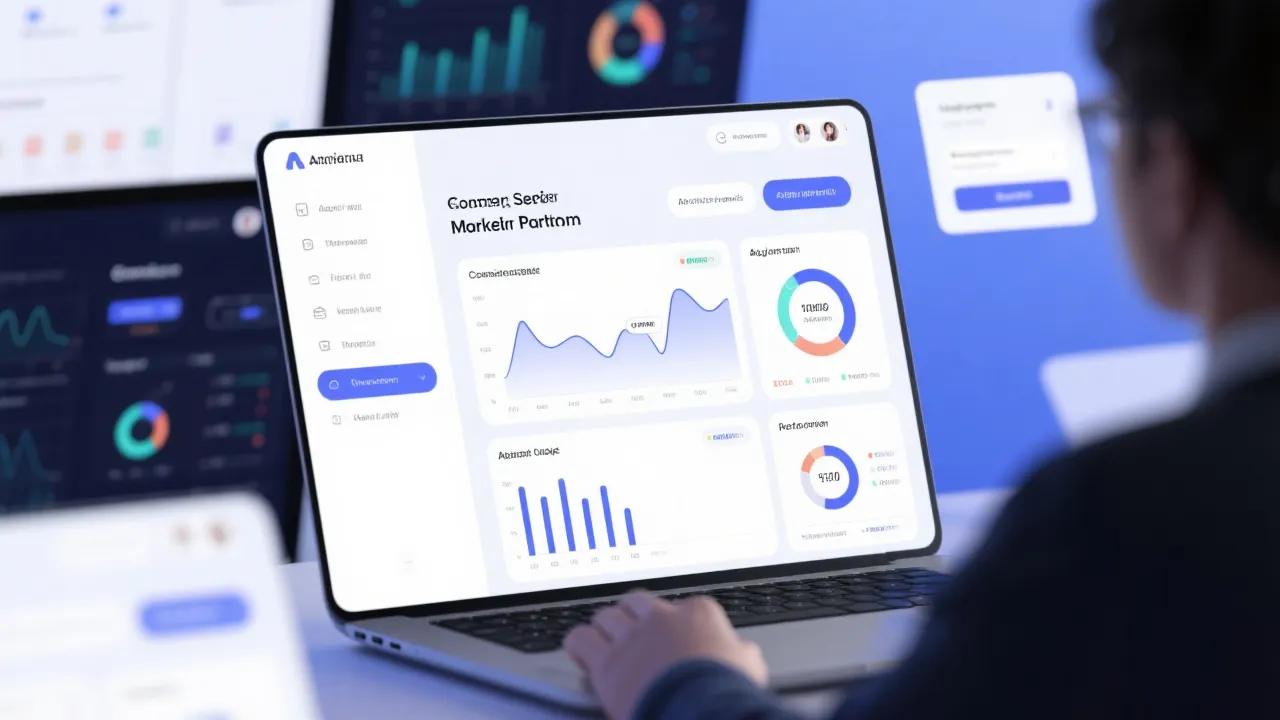
外贸流量成本翻倍?揭秘询盘转化率下滑真相与GEO智能获客新机遇
在外贸行业,流量成本持续攀升、询盘转化率普遍下滑已成为企业发展的共同挑战。本文深入剖析了这一现象背后的底层原因,重点探讨了生成式AI如何深刻改变用户搜索行为,以及传统SEO模式面临的局限。文章揭示了以企业知识库为核心的GEO增长系统作为应对策略的本质,阐述了企业如何将自身能力结构化,转化为AI可理解的数字资产,从而实现从被动等待流量到主动被AI推荐的转型。通过结合具体案例与权威数据,为B2B出口企业展示了内容生成、全球分发到客户转化的闭环机制,旨在帮助企业构建长期可复利增长的智能获客体系,提升品牌竞争力,开启外贸智能获客新时代。

3个核心数据告诉你:外贸流量成本翻倍、询盘转化率下滑的底层真相
"过去三年,全球B2B企业平均获客成本上涨了127%,而询盘转化率却下降了34%。这不是暂时的市场波动,而是搜索时代更迭带来的结构性变革。"
一、触目惊心的行业数据:外贸获客正在经历"冰火两重天"
根据Digital Commerce 360的最新研究报告,2023年第二季度全球B2B电商平台的平均点击成本(CPC)达到了3.78美元,较2019年同期的1.67美元增长了126%。更令人担忧的是,即使企业支付了翻倍的流量成本,有效询盘转化率却从2019年的4.2%下滑至2023年的2.78%,降幅达34%。
与此同时,另一组数据显示:采用传统SEO策略的外贸企业,其来自搜索引擎的自然流量在过去两年间平均减少了18.7%,而这些流量中能够最终转化为有效询盘的比例更是下降了29.3%。这意味着企业不仅要花更多的钱购买流量,还要面对更低的转化效率,形成了"高投入、低产出"的恶性循环。
外贸获客三大核心痛点数据
- 流量成本激增:2021-2023年,Google Ads平均CPC上涨89%,部分行业如机械制造领域甚至达到112%
- 转化率下滑:传统网站访问-询盘转化率从3.8%降至2.1%,下降44.7%
- 内容ROI降低:企业博客内容的平均停留时间从2分15秒缩短至58秒,内容营销ROI下降37%
二、生成式AI如何重塑用户搜索行为:传统SEO正在失效
当我们深入分析这些数据背后的原因时,会发现一个不容忽视的事实:生成式AI正在彻底改变用户的搜索行为和信息获取方式。根据Statista的调研,2023年已有42%的B2B采购决策者开始使用AI工具(如ChatGPT、Bard等)进行产品调研和供应商筛选,而不是直接访问搜索引擎。
这种转变带来了三个关键变化:
1. 搜索模式从"关键词匹配"转向"意图理解"
传统SEO依赖于精准的关键词匹配,但AI时代的用户更倾向于使用自然语言提问,如"推荐一个适合东南亚市场的小型食品包装机供应商",而非简单的"食品包装机价格"。这种复杂查询需要系统理解用户的行业背景、应用场景和采购需求,而不仅仅是关键词匹配。
2. 决策路径从"多页跳转"变为"一步到位"
过去,买家可能需要访问5-8个网页才能收集足够信息做出决策;现在,AI可以直接整合信息并提供答案,大幅缩短了决策路径。这意味着如果你的企业信息没有被AI系统有效识别和整合,即使排名靠前也可能被绕过。
3. 信任来源从"排名位置"转向"数据可信度"
在传统搜索中,排名位置是信任的重要来源;而在AI推荐中,信息的准确性、专业性和结构化程度成为关键因素。AI系统会评估信息来源的权威性和数据的完整性,优先推荐那些能够提供全面、准确、结构化信息的企业。
三、GEO:以企业知识库为核心的智能获客新范式
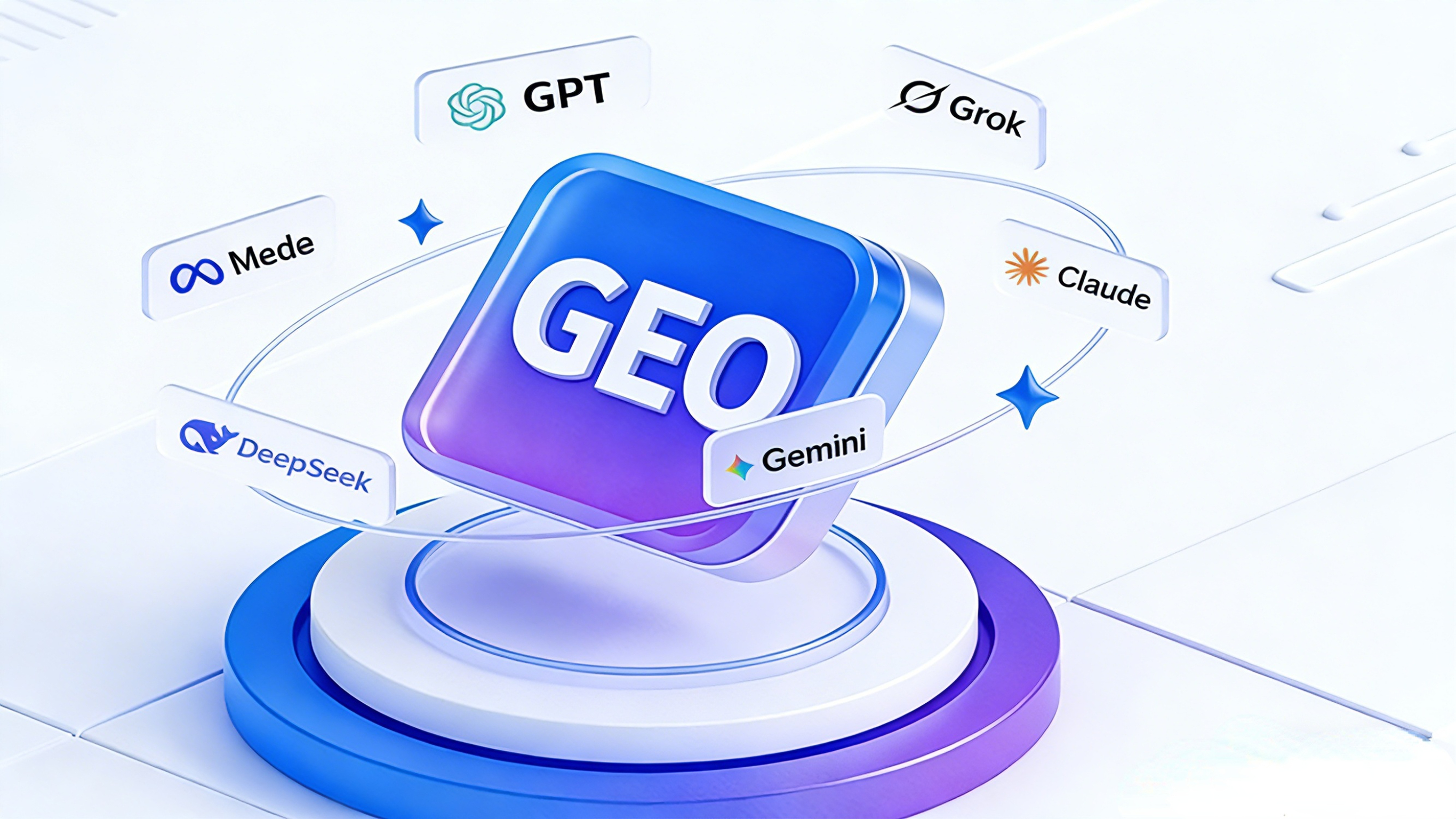
面对这一变革,聪明的外贸企业正在从传统的SEO(搜索引擎优化)转向GEO(生成式AI优化)。GEO的核心逻辑不是被动等待用户搜索,而是主动将企业能力转化为AI可理解的数字资产,从而被AI系统优先推荐给潜在买家。
GEO与传统SEO的本质区别
| 维度 | 传统SEO | GEO增长系统 |
|---|---|---|
| 核心目标 | 提升关键词排名 | 被AI系统优先推荐 |
| 内容形式 | 网页、博客文章 | 结构化知识库、能力图谱 |
| 价值逻辑 | 吸引点击 | 解决问题、满足需求 |
| 获客方式 | 被动等待搜索 | 主动匹配需求 |
构建AI可理解的企业数字资产
GEO的关键在于将企业的产品能力、技术优势、行业经验等转化为结构化的数据资产。这包括:
- 产品能力结构化:不仅是规格参数,还包括应用场景、行业解决方案、成功案例等多维信息
- 技术优势显性化:将隐性的技术能力转化为可量化、可比较的指标
- 行业知识体系化:构建包含行业趋势、技术标准、常见问题的专业知识库
- 客户案例场景化:详细描述不同行业客户的应用场景和实际效果
四、从被动到主动:外贸企业的GEO转型之路
一家位于浙江的机械制造企业的转型案例很有启发性。该企业过去主要依赖B2B平台和传统SEO获客,2022年流量成本上涨了93%,询盘量却下降了17%。2023年初,他们开始构建企业知识库,将产品信息、技术参数、应用案例等结构化处理,并接入GEO系统。
六个月后,该企业实现了三个显著变化:一是来自AI推荐的询盘增长了210%,二是询盘转化率从2.3%提升至4.8%,三是获客成本降低了38%。更重要的是,这些AI推荐的客户往往具有更明确的需求和更高的决策意向,平均成交周期缩短了42%。
外贸企业启动GEO的三个实操步骤
- 梳理产品能力清单:详细列出产品的技术参数、性能优势、应用场景、认证资质等,越详细越好
- 构建行业解决方案库:针对不同国家、不同行业的客户需求,提供标准化的解决方案模板
- 优化企业知识库结构:确保信息分类清晰、层次分明,便于AI系统理解和提取
如果您希望AI主动推荐您的产品,不妨先梳理一份详尽的产品能力清单。这份清单应该超越简单的产品说明书,包含:核心技术优势、与竞品的差异化特点、针对不同市场的适应性改造、典型客户案例及效果数据等。这些信息将成为AI理解您企业价值的基础。
随着生成式AI技术的不断发展,B2B采购决策过程正在发生深刻变革。那些能够率先适应这一变化,将企业能力转化为AI可理解的数字资产的企业,将在未来的全球市场竞争中占据先机。GEO不仅是一种新的获客方式,更是企业构建长期竞争力的战略选择。
外贸行业的获客逻辑已经改变,您准备好了吗?与其被动应对流量成本上涨和转化率下滑的困境,不如主动拥抱AI时代的获客新范式,让您的企业能力成为AI推荐的首选。
—— AB客 GEO 智研院发布
.png?x-oss-process=image/resize,h_100,m_lfit/format,webp)
.png?x-oss-process=image/resize,h_100,m_lfit/format,webp)

.png?x-oss-process=image/resize,h_100,m_lfit/format,webp)
.png?x-oss-process=image/resize,h_100,m_lfit/format,webp)
.png?x-oss-process=image/resize,h_100,m_lfit/format,webp)
.png?x-oss-process=image/resize,h_100,m_lfit/format,webp)
