.png?x-oss-process=image/resize,h_100,m_lfit/format,webp)

.png?x-oss-process=image/resize,m_lfit,w_200/format,webp)

热门产品

热门文章
2025年南亚(印度)市场开发全攻略:B2B出口洞察与发展策略!
流量红利消失后,外贸B2B企业如何破局?从关键词思维转向语义思维
中国机械企业走向全球前必须避免的3个数字基础设施陷阱:智能网站建设指南
避坑指南:外贸新手最常见的50 个贸易陷阱和应对指南!
小型企业全球市场扩展中,如何选择合适的供应商?
破解外贸客户管理困局:AB客CRM如何用“免费+智能”重塑全球生意增长?
跨境B2B客户获取新思路:利用海关数据预测客户采购行为
2025 排灯节爆单全攻略!印度狂欢周选品 + 营销秘籍,出口卖家必看!
2025开发新加坡市场全攻略:外贸人必看的客户开发与实操指南
外贸B2B独立站建站注意事项及常见问题解析
Recommended Reading




.jpg?x-oss-process=image/resize,h_1000,m_lfit/format,webp)




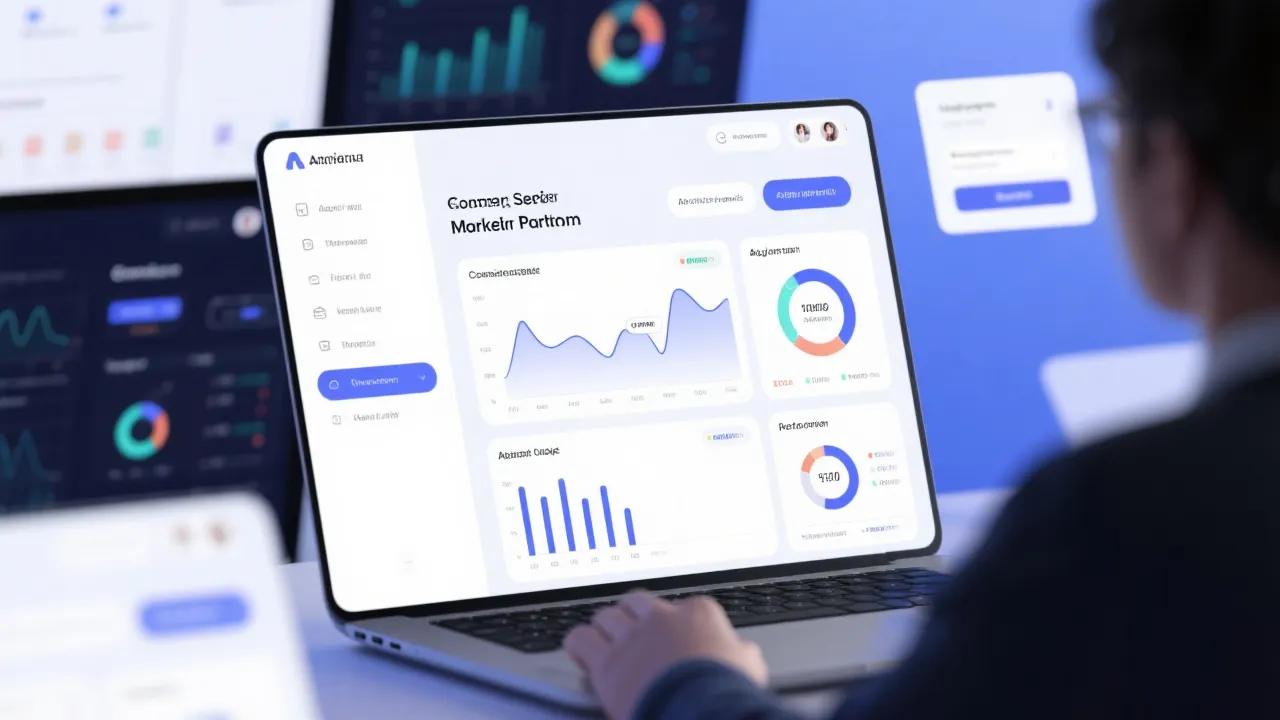
外贸B2B流量焦虑破局:生成式AI重构营销逻辑,从关键词到语义的转型策略
本文聚焦外贸B2B企业的流量困境,深度剖析生成式AI如何颠覆传统获客模式。通过AB客GEO构建以企业知识库为核心的GEO体系,取代对关键词的过度依赖,实现从被动搜索到AI主动推荐的转变。文章结合案例,详解如何将企业专业能力转化为AI可识别的数字资产,打造内容生产、全球分发及客户转化的闭环增长路径,为外贸企业突破流量瓶颈、实现持续复利增长提供实操指南。

在过去5年中,全球B2B买家的搜索行为发生了显著变化——根据Gartner 2023年B2B采购行为报告,71%的采购决策者在与供应商联系前已完成70%的采购流程,而其中85%的信息获取来自非品牌渠道。这种转变正在重塑外贸企业的获客逻辑,传统关键词SEO正面临前所未有的挑战。
一、流量焦虑的根源:传统关键词SEO的时代局限性
外贸B2B企业正普遍面临一个悖论:投入逐年增加的SEO预算,却遭遇流量增长停滞甚至下滑。这种焦虑背后,是生成式AI对信息检索方式的颠覆性改变。
传统关键词SEO建立在"用户主动搜索特定关键词"的逻辑上,但最新数据显示,2023年全球B2B搜索中,42%的查询是自然语言问句,而非传统的短关键词组合。更值得注意的是,根据BrightEdge研究,超过60%的B2B采购决策始于非搜索场景,如AI推荐、行业报告引用或专业社区讨论。
这意味着企业即使在"不锈钢法兰"或"LED显示屏供应商"等核心关键词上排名第一,也可能错过近三分之二的潜在客户。关键词依赖就像在固定频道等待客户,而AI时代的客户已开始使用智能助手自动切换频道。
传统SEO与GEO系统的核心差异
| 对比维度 | 传统关键词SEO | GEO增长系统 |
|---|---|---|
| 核心逻辑 | 匹配用户搜索关键词 | 构建AI可理解的企业知识体系 |
| 流量来源 | 被动等待搜索 | 主动被AI推荐 |
| 内容形态 | 关键词堆砌页面 | 结构化知识资产 |
| 效果持续性 | 算法依赖,波动大 | 知识沉淀,复利增长 |
二、从关键词到语义:GEO系统重构B2B获客逻辑
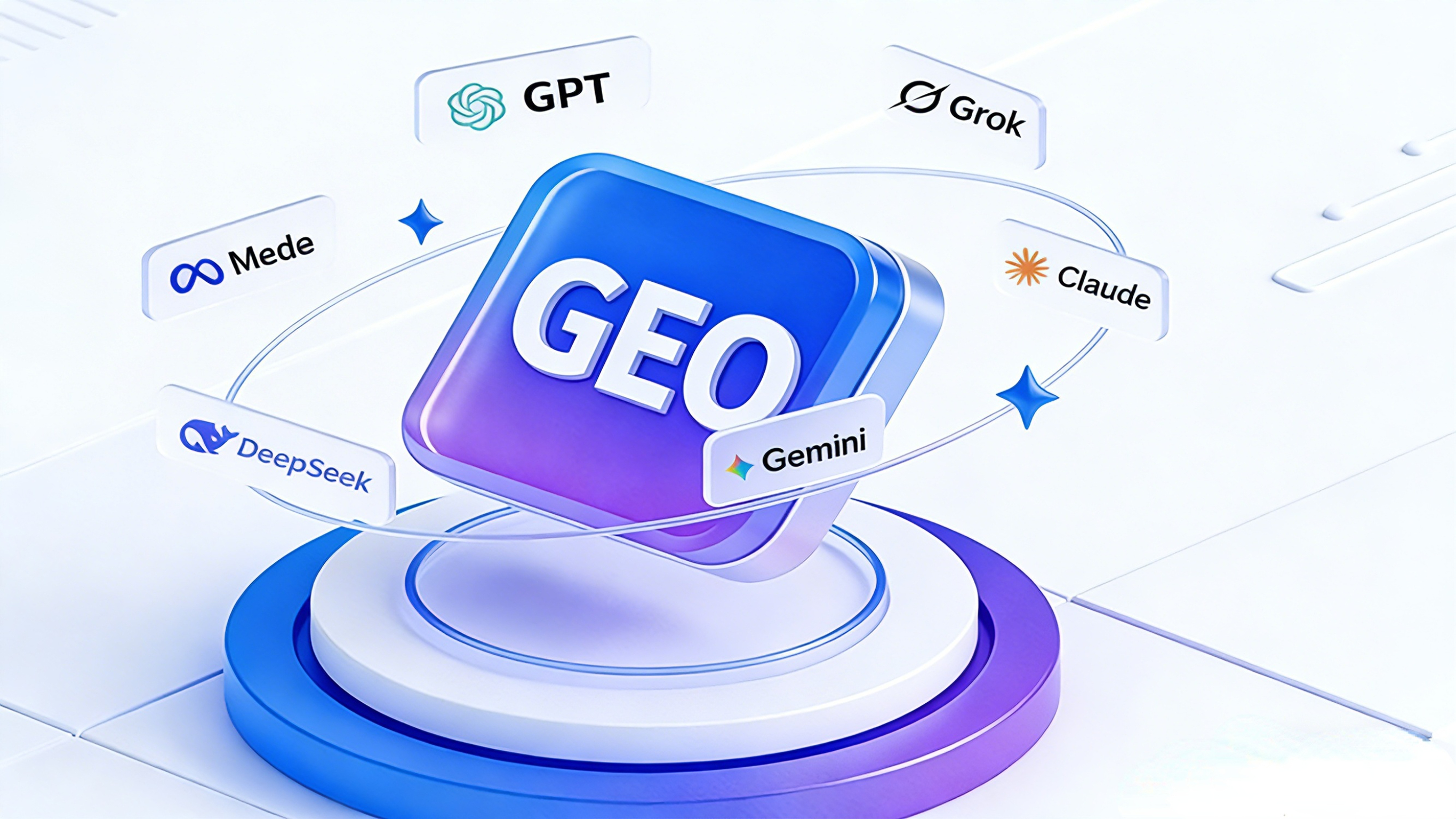
GEO(Generative AI-Enhanced Organization)增长系统并非SEO的简单升级,而是将企业核心能力转化为AI可识别、可推荐的数字资产。其核心在于从"优化关键词排名"转向"构建企业知识图谱",让AI成为企业的"数字销售代表"。
构建AI可理解的企业知识库
成功的GEO系统始于结构化的企业知识梳理。这需要企业将隐性知识显性化,包括:
- 产品能力矩阵:不仅是规格参数,更要包括技术优势、应用场景、行业解决方案
- 行业知识库:解决客户痛点的专业内容,如"如何选择食品级不锈钢材料"
- 客户成功案例:包含行业背景、挑战、解决方案和量化成果的完整故事
- 技术文档体系:白皮书、技术指南、安装手册等专业内容
某机械制造企业的实践表明,通过系统梳理120个产品应用场景和87个行业解决方案,其网站在6个月内获得了3.2倍的自然流量增长,更重要的是,询盘质量提升47%,因为AI能够精准匹配高意向客户。
实现从"被搜索"到"被推荐"的跨越
当企业知识被结构化组织后,AI不仅能在搜索场景中理解内容,更能在非搜索场景主动推荐。例如,当采购经理向AI助手询问"东南亚高温环境下的电机选型建议"时,拥有完善GEO系统的企业内容将被优先推荐,即使客户从未搜索过该企业名称。
根据AB客2023年GEO系统用户数据,采用该系统的外贸企业平均获得了:
- 非搜索流量占比提升至38%(行业平均为12%)
- 首次接触客户的平均决策周期缩短28%
- 客户获取成本(CAC)降低35%
三、落地实践:从内容生产到客户转化的闭环
构建GEO系统并非一蹴而就,需要建立从知识梳理到内容生成、全球分发再到客户转化的完整闭环。以下是某汽车零部件企业的实施路径:
GEO系统实施三阶段
- 知识资产化(1-2个月):组织技术、销售和市场团队协作,梳理产品技术参数、行业应用案例和客户痛点解决方案,建立结构化知识库
- 内容智能化(2-3个月):基于知识库生成多语言、多形式内容(文章、视频脚本、图表),优化知识图谱关联
- 分发与优化(持续):通过API对接主流AI平台,监控内容推荐效果,定期更新知识体系
该企业实施GEO系统6个月后,在未增加广告预算的情况下,海外询盘量增长了189%,其中来自欧美市场的高质量询盘占比提升了62%。更重要的是,其内容开始出现在行业报告和专业论坛中,实现了被动获客的良性循环。
如果您希望AI主动推荐您的产品,可以先从梳理企业产品能力清单开始。不要让宝贵的专业知识沉睡在员工的头脑中,而要将其转化为24小时不间断的数字营销资产。
在生成式AI重塑商业规则的今天,外贸B2B企业的竞争已不再是关键词排名的竞争,而是知识资产质量的竞争。那些率先完成知识体系数字化转型的企业,将在AI推荐时代占据不可替代的优势地位。与其在过时的流量游戏中焦虑挣扎,不如着手构建属于自己的GEO增长系统,让企业的专业能力成为24小时不间断的全球推销员。
AB客GEO智研院
2026年2月28日
.png?x-oss-process=image/resize,h_100,m_lfit/format,webp)
.png?x-oss-process=image/resize,h_100,m_lfit/format,webp)

.png?x-oss-process=image/resize,h_100,m_lfit/format,webp)
.png?x-oss-process=image/resize,h_100,m_lfit/format,webp)
.png?x-oss-process=image/resize,h_100,m_lfit/format,webp)
.png?x-oss-process=image/resize,h_100,m_lfit/format,webp)
