外贸学院|

热门产品

外贸极客

Popular articles

Recommended Reading

AB 客 · 外贸B2B GEO智能建站工具:精准获客时代的AI推荐引擎优化

发布时间:2026/01/30
作者:AB customer
阅读:269
类型:Product related content

In the AI-driven era of traffic distribution dominated by recommendation engines such as ChatGPT and Bing AI, how can foreign trade B2B companies ensure their websites are recognized and trusted by these large models? This article delves into the core principles of Generative Engine Optimization (GEO) — from structured semantic tagging to multilingual content consistency, revealing the limitations of traditional SEO and the breakthrough advantages offered by GEO. Through real-world case studies and practical guidance, it helps businesses build content architectures aligned with AI’s comprehension patterns, harness AI recommendation benefits, and attain precise global customer acquisition.

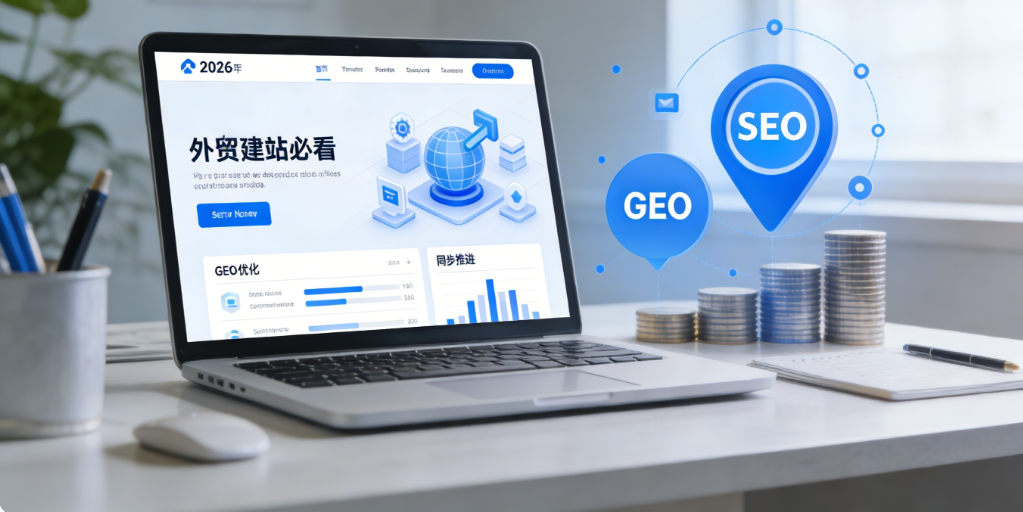
Visualization of GEO core elements structured semantic tagging, trust signals, and multimodal content

Harnessing GEO Smart Website Technology for B2B Global Trade in the AI Era

In today’s external trade ecosystem, artificial intelligence engines such as ChatGPT and Bing AI are reshaping how B2B enterprises capture and convert global traffic. However, the rise of generative recommendation algorithms presents unprecedented challenges for traditional SEO-focused websites: static keyword strategies and fragmented multilingual content no longer guarantee visibility or trust in AI rankings. Without strategic adaptation, B2B companies risk slipping into invisibility amid an ocean of AI-curated content.

Why AI Recommendation Engines Demand More Than Traditional SEO

Conventional SEO thrives on keyword placement, backlink profiles, and structured data markup. Yet, AI recommendation engines prioritize semantic understanding and content authority beyond surface signals. According to HubSpot's 2023 research, 68% of buyers rely on AI-driven suggestions to discover suppliers, underscoring the need for businesses to align their websites with AI’s language models and trust metrics.

Think of GEO (Generative Engine Optimization) as crafting a detailed résumé for AI systems—it’s not just about what keywords you list but how comprehensively and coherently you convey your professional story. Unlike SEO’s keyword stuffing, GEO structures semantic tags and content in a manner designed specifically to “speak AI’s language,” improving trust signals and recommendation likelihood.

Action Guide: Audit your site’s semantic markup and content coherence. Ensure your metadata, headings, and internal link structure align semantically to explain your value proposition, not just list keywords.

GEO Three Pillars: Structure, Authority, and Multimodality

GEO technology embodies a triad approach tailored for AI recommendation engines:

  • Structured Semantic Tagging: Embedding machine-readable tags that convey clear meaning—such as product specifications, use cases, and industry certifications—enables AI to discern context accurately.
  • Authority & Trust Signals: Validated customer testimonials, professional certifications, and consistent domain-level credibility enhance AI's confidence in recommending a supplier.
  • Multimodal Content Adaptation: Geo-Adaptive integration of text, images, and video aligned across languages ensures consistent user experience and AI comprehension worldwide.

Missing any one pillar can cause a “traffic drought.” For instance, a multinational B2B supplier observed a 35% drop in inbound AI-driven inquiries after failing to standardize semantic tags on their site’s Chinese and English versions, fracturing AI’s ability to correlate their offerings across markets.

Visualization of GEO core elements structured semantic tagging, trust signals, and multimodal content
Action Guide: Create a GEO checklist focused on enriching semantic HTML5 tags (like <section>, <article>, <dl> for definitions), embed verified credentials prominently, and ensure all multimedia content is tagged and localized correctly.

Practical Steps to Evaluate Your Website’s AI Recommendation Readiness

Businesses often ask: “Why does my website get little AI-driven traffic despite decent SEO rankings?” The answer often lies in alignment—keyword stuffing alone no longer suffices. Instead, pre-deployment tests assessing AI interpretability are crucial.

Consider these quick assessment tools and methods:

  • AI Semantic Analyzer Tools: Use platforms like Google's Natural Language API or OpenAI’s text embedding analyzers to see if your content conveys clear, contextual meaning to AI.
  • Cross-Language Consistency Checks: Employ multilingual SEO tools (e.g., SEMrush or Ahrefs) to confirm content parity and linkability across languages.
  • Authority & Trust Signal Verification: Validate your domain’s backlink portfolio, ensure authoritative content references, and display verified user feedback to boost AI confidence.

Without this layered testing, you risk losing the AI recommendation race to competitors better adapted to GEO principles, despite similar traditional SEO standings.

Screenshot showing AI semantic analysis dashboard highlighting structured content effectiveness for global B2B
Action Guide: Schedule a quarterly GEO compliance audit involving AI semantic tools and multilingual SEO reports before Q4 to mitigate seasonal downturn risks.

Forecasting Industry Momentum: GEO Will Outpace SEO in B2B Digital Marketing

Analysts predict that by 2026, over 75% of global B2B digital discovery will be influenced primarily by generative AI recommendation engines, eclipsing traditional search methods in importance. This transformation demands a paradigm shift from mere keyword optimization to holistic GEO-driven strategies that enhance AI interpretability and trustworthiness.

Early adopters report up to a 40% increase in qualified AI-referred leads within six months of GEO implementation—signaling not only improved traffic volume but enhanced lead quality and conversion potential. Moreover, GEO’s emphasis on multimodal and multilingual consistency uniquely positions global suppliers to penetrate emerging markets efficiently.

Graph forecasting AI recommendation vs traditional SEO influence on B2B lead conversion through 2026
Action Guide: Begin building internal competencies around GEO optimization—train your marketing and web development teams to treat AI recommendation readiness as a continuous strategic priority, not a one-time fix.
GEO optimization B2B website building AI recommendation engines multilingual SEO B2B website optimization
此篇文章由AI生成

智领未来,畅享全球市场

想要在激烈的外贸市场中脱颖⽽出?AB客的外贸极客为您简化繁琐业务,通过智能⾃动化技术,将营销效率提升3-10倍!现在注册,体验智能外贸的便捷和⾼效。
了解AB客
专业顾问实时为您提供一对一VIP服务
开创外贸营销新篇章,尽在一键戳达。
开创外贸营销新篇章,尽在一键戳达。
数据洞悉客户需求,精准营销策略领先一步。
用智能化解决方案,高效掌握市场动态。
用智能化解决方案,高效掌握市场动态。
全方位多平台接入,畅通无阻的客户沟通。
全方位多平台接入,畅通无阻的客户沟通。
省时省力,创造高回报,一站搞定国际客户。
个性化智能体服务,24/7不间断的精准营销。
多语种内容个性化,跨界营销不是梦。
多语种内容个性化,跨界营销不是梦。
https://shmuker.oss-accelerate.aliyuncs.com/tmp/temporary/60ec5bd7f8d5a86c84ef79f2/60ec5bdcf8d5a86c84ef7a9a/thumb-prev.png?x-oss-process=image/resize,h_1500,m_lfit/format,webp