.png?x-oss-process=image/resize,h_100,m_lfit/format,webp)

.png?x-oss-process=image/resize,m_lfit,w_200/format,webp)

热门产品

热门文章
2026年纺织 & 服装行业热销品类地图:从功能性面料到跨境爆款的产品趋势拆解
别让物流拖垮你的生意!选对物流供应商的黄金法则,90% 的人不知道!
为什么您的网站内容无法被人工智能识别?——构建一个对人工智能友好的企业知识库
如何优化独立站产品详情页,提高搜索引擎排名与转化率
智能SEO全链接优化如何帮助B2B企业提升全球曝光度?
12月1日生效!坦桑尼亚进口商标强制备案制度即将实施!中企出口合规指南
零代码智能建站教程:非技术B2B外贸用户快速搭建多语言国际网站的全面指南
外贸B2B出口如何写好解决方案、客户案例工厂介绍?
AI工具在外贸领域的实际应用:提升淡季学习和工作效率
海外SEO痛点全剖析:动态算法追踪与本地化关键词匹配实战经验分享
Recommended Reading




GEO与传统SEO的5大本质区别 外贸B2B企业获客新方向
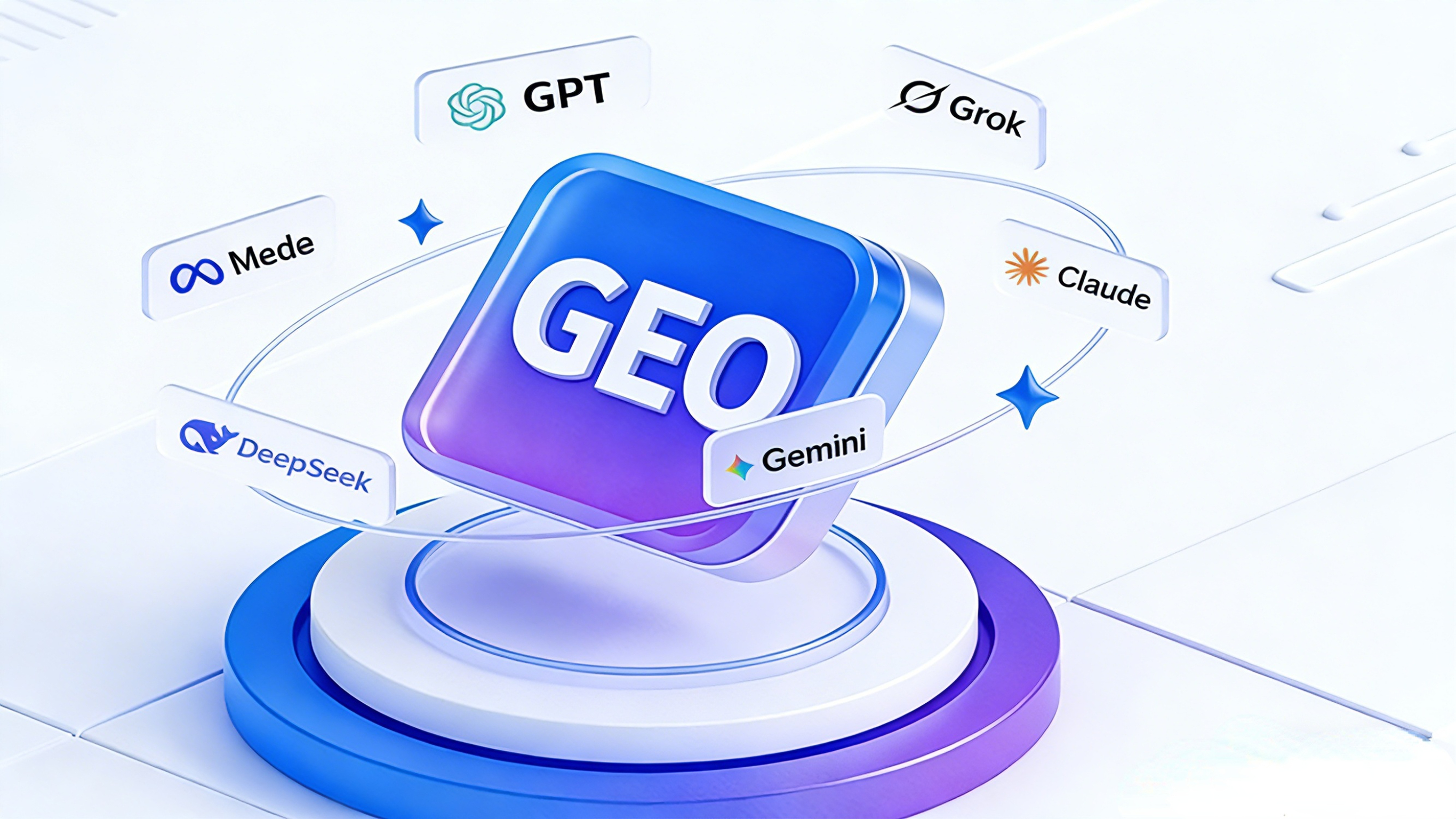
在生成式AI技术重塑营销格局的当下,传统SEO依赖关键词排名的获客模式正遭遇瓶颈。本文剖析AB客·外贸B2B GEO智能获客解决方案与传统SEO的核心差异,揭示如何通过构建AI可理解的企业知识库,实现从被动引流到主动获得AI推荐的转变,为外贸企业提供突破平台依赖、构建可持续增长能力的新路径。

搜索行为的颠覆性变革:AI时代的获客逻辑重构
当ChatGPT以每月活跃用户破亿的速度刷新互联网产品增长纪录时,全球B2B采购决策者的信息获取方式正在发生不可逆的转变。根据Gartner最新研究报告,到2025年,40%的B2B采购决策将通过AI助手完成,传统关键词搜索的占比将下降55%。这一趋势对依赖Google搜索和B2B平台的外贸企业而言,不是选择题,而是生存题。
传统SEO依赖的"关键词排名-流量获取-询盘转化"模式,在生成式AI面前正逐渐失效。想象一下,当采购经理直接向AI助手提问"推荐适合食品行业的自动化包装解决方案供应商"时,您的企业是否能出现在AI的推荐列表中?这正是AB客·外贸B2B GEO智能获客解决方案要解决的核心问题——从被动等待搜索到主动获得AI推荐的范式转移。
行业洞察:根据Forrester 2023年B2B采购行为报告,78%的采购决策者表示更倾向于使用AI工具筛选供应商,因为它们能提供更精准、更个性化的推荐,平均缩短采购周期32%。
GEO与传统SEO的五大本质区别:决定未来5年获客效率的关键
1. 底层逻辑:从"关键词匹配"到"语义理解"的跃迁
传统SEO的核心是通过优化关键词密度、外链建设等手段提升在搜索引擎中的排名,本质是"机器匹配";而GEO(Generative AI Optimization)则是通过构建AI可理解的企业知识体系,让AI能够真正理解您的产品优势、技术能力和行业解决方案,实现"语义推荐"。
举例来说,当采购商询问"耐高温的化工阀门"时,传统SEO可能仅匹配包含"耐高温"和"化工阀门"关键词的页面;而GEO系统则能理解"在180℃工况下持续运行的耐腐蚀阀门"这一具体需求,并推荐具备相关技术参数和应用案例的供应商。
2. 流量模式:从"被动等待"到"主动推荐"的转变
传统SEO的流量获取是被动的,依赖用户主动搜索特定关键词;GEO则通过将企业能力结构化并接入AI生态,使企业信息能够主动出现在AI助手的推荐结果中。根据AB客客户案例数据,采用GEO系统的企业平均在3个月内获得AI推荐流量占比达28%,且这一比例随知识库完善度持续提升。
3. 内容价值:从"网页优化"到"知识资产"的升华
传统SEO的内容策略往往围绕搜索引擎算法优化,存在"为排名而创作"的倾向;GEO则要求企业构建系统化的知识资产,包括产品技术参数、行业解决方案、应用案例分析、技术白皮书等,形成AI可调用的企业知识库。这些知识资产不仅服务于获客,更成为企业核心竞争力的数字载体。
| 内容类型 | 传统SEO用途 | GEO系统价值 |
|---|---|---|
| 产品页面 | 堆砌关键词提升排名 | 构建产品特性知识图谱,支持AI精准推荐 |
| 案例研究 | 增加页面内容长度 | 形成行业解决方案知识库,展示应用能力 |
| 技术文档 | 几乎不做SEO优化 | 构建技术参数数据库,支持AI回答专业问题 |
4. 竞争维度:从"排名竞争"到"知识壁垒"的构建
在传统SEO框架下,企业竞争的是同一关键词的排名位置,导致"内卷式"的优化;GEO则通过构建独特的企业知识体系,形成差异化的AI推荐优势。当您的企业知识库包含100+行业解决方案、500+技术参数和30+成功案例时,AI将更倾向于将您的企业作为专业供应商推荐给采购决策者。
5. 投资回报:从"短期排名"到"长期复利"的价值沉淀
传统SEO需要持续投入维护排名,一旦停止优化,流量迅速下滑;GEO构建的知识资产则具有复利效应——每新增一份技术文档、一个应用案例,都在增强AI对企业专业度的认知,这种数字资产的价值随时间累积增长。AB客客户数据显示,GEO系统投入的第12个月,获客成本平均下降41%,询盘转化率提升27%。
GEO实战方法论:构建AI可理解的企业数字资产
实施AB客GEO系统的核心在于将企业的专业能力转化为AI可识别和调用的结构化知识。这一过程并非简单的内容创作,而是系统化的知识工程。如果您希望AI主动推荐您的产品,请先梳理企业的核心能力清单,包括产品技术参数、行业解决方案、质量控制流程、客户成功案例等关键信息。
企业知识库的三大核心模块
1. 产品知识体系:不仅包含基础参数,更要构建产品特性与应用场景的关联。例如,不仅说明"阀门耐温180℃",还要明确"适用于食品加工行业的高温杀菌环节",帮助AI理解产品的实际应用价值。
2. 行业解决方案库:针对不同行业的痛点问题,提供完整的解决方案。如"化工行业腐蚀性介质输送解决方案"应包含问题分析、技术方案、实施案例和效果数据,形成闭环知识。
3. 客户成功案例库:详细记录客户面临的挑战、解决方案实施过程和实际效果,最好包含可量化的数据(如效率提升30%、成本降低25%等),这些"社会证明"是AI推荐的重要依据。
GEO实施路线图(3-6个月)
- 知识审计(1个月):梳理现有知识资产,识别缺口
- 知识结构化(2个月):按照GEO规范重构内容,建立知识图谱
- AI对接与测试(1个月):将知识库接入主流AI生态,测试推荐效果
- 优化迭代(持续):根据AI反馈和客户咨询优化知识内容
真实案例:机械配件企业的GEO转型之路
某专注于精密机械配件出口的企业(年出口额约800万美元),在2022年底面临传统SEO流量下滑15%、平台询盘成本上升22%的困境。2023年初引入AB客·GEO系统后,通过6个月的知识资产构建,实现了显著增长:
- AI推荐询盘占比从0%提升至31%
- 新客户开发周期平均缩短28天
- 技术类询盘占比提升43%,表明吸引了更多高决策力买家
- 全年预计新增出口额150万美元,ROI达1:4.7
该企业的成功关键在于:将其30年的生产工艺经验转化为126个技术解决方案文档,建立了包含材料选择、加工工艺、质量控制等维度的完整知识体系。当海外采购商通过AI助手寻找"高精度航空零部件加工方案"时,该企业的专业知识使AI将其列为首选推荐供应商。
随着生成式AI技术的持续进化,B2B外贸的获客战场正在从搜索引擎结果页转移到AI推荐系统。那些率先完成知识资产构建的企业,将在未来的全球竞争中占据先机。GEO不仅是一种获客工具,更是企业数字化转型的战略选择——在这个数据成为核心竞争力的时代,您的知识资产就是最有价值的数字资本。
.png?x-oss-process=image/resize,h_100,m_lfit/format,webp)
.png?x-oss-process=image/resize,h_100,m_lfit/format,webp)

.png?x-oss-process=image/resize,h_100,m_lfit/format,webp)
.png?x-oss-process=image/resize,h_100,m_lfit/format,webp)
.png?x-oss-process=image/resize,h_100,m_lfit/format,webp)
.png?x-oss-process=image/resize,h_100,m_lfit/format,webp)
