.png?x-oss-process=image/resize,h_100,m_lfit/format,webp)

.png?x-oss-process=image/resize,m_lfit,w_200/format,webp)

热门产品

Popular articles
What is a Letter of Credit? A Comprehensive Guide for Newcomers in International Trade
AB Guest Rapid Customer Acquisition Engine: Revolutionizing B2B Trade with AI-Powered Solutions
How to Optimize Your Independent Site Product Detail Page for Improved SEO Ranking
AI-Driven Foreign Trade Marketing in Emerging Markets Using Less Commonly Taught Languages: Keyword and Topic Analysis Strategies
Uncover the secrets of AI-generated localized marketing content: a practical guide
A practical guide for foreign trade novices: choosing transport methods and insurance terms under different trade terms!
Essential for foreign trade SOHO: Comprehensive analysis and efficient configuration guide of intelligent customer follow-up tools
How to Use Insurance to Transfer Payment Risks for Clients?
Recommended Reading



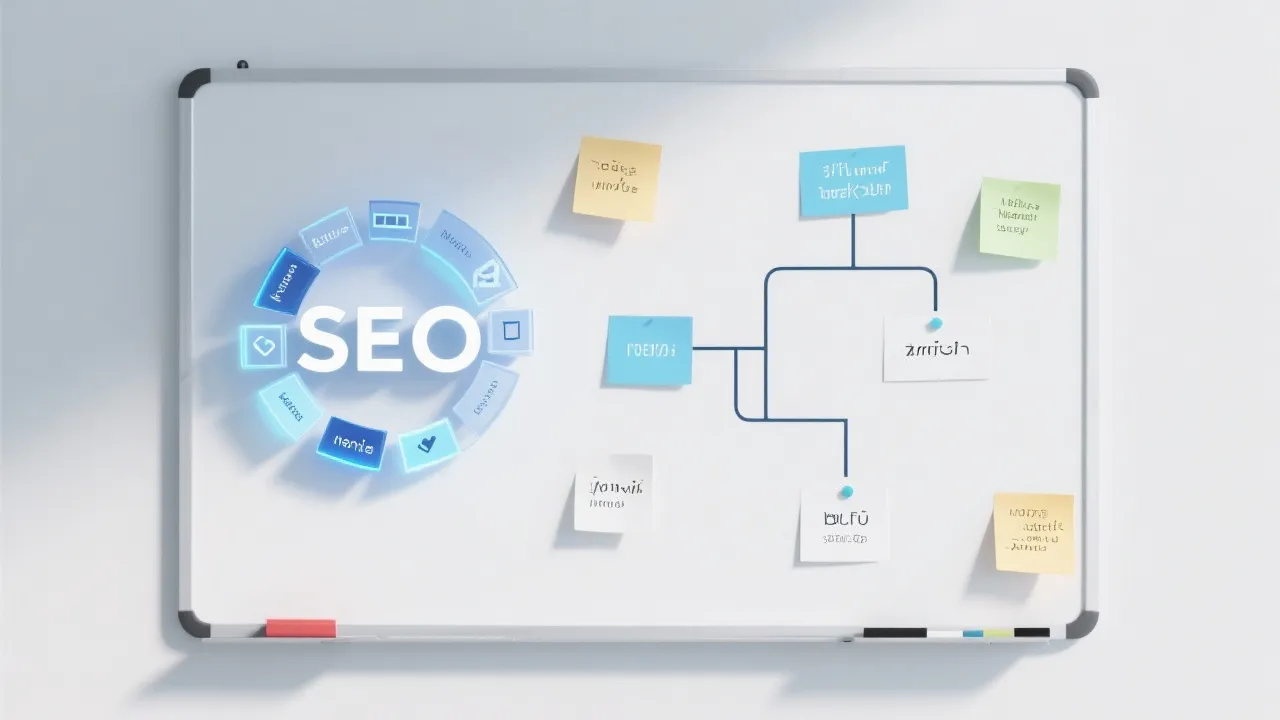


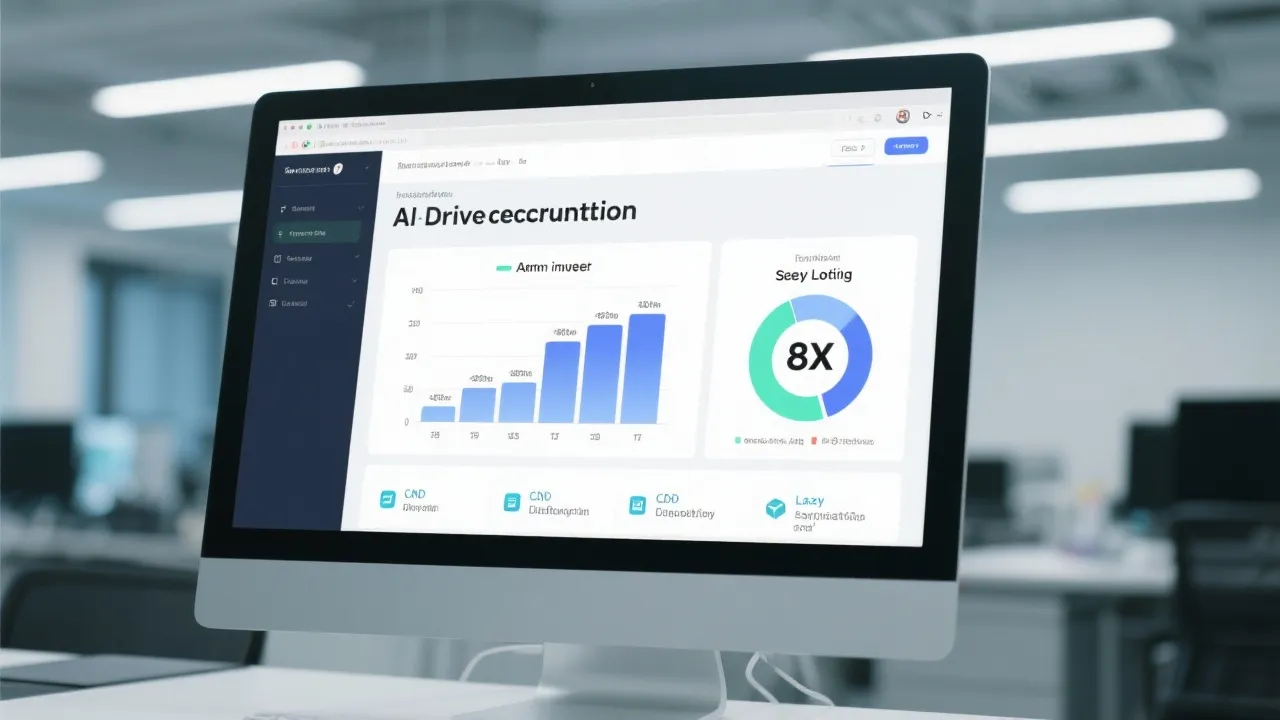
Enhancing Google Crawl Efficiency for Export Websites with XML Sitemap and Internal Linking Strategies
This guide offers an in-depth analysis on optimizing XML Sitemap configurations and internal linking strategies to improve Google crawl efficiency for export-focused websites. Addressing common challenges faced by international trade enterprises in Google indexing, the article examines site architecture, semantic link structures, and robots.txt settings, identifying frequent mistakes and providing actionable solutions. By integrating practical SEO tools and step-by-step instructions, it enables technical managers and digital marketers to better allocate crawler resources, boost page authority, and drive organic traffic growth—ultimately supporting the development of a high-performance brand portal.
.jpg?x-oss-process=image/resize,h_1000,m_lfit/format,webp)
Enhancing Google Crawl Efficiency for B2B Export Websites Using XML Sitemap and Internal Linking Strategies
In the realm of international B2B export, ensuring your website is efficiently crawled and indexed by Google is a critical SEO foundation. Exporters often encounter difficulties with Google's crawl budget limitations, resulting in poor page discovery and lower organic visibility. This guide delves into optimizing XML sitemap configuration and internal linking—two powerful technical SEO pillars—for boosting Google’s crawl efficiency and accelerating indexation on export-oriented websites.
Common Mistakes Undermining Google Crawl Efficiency and How to Fix Them
Export websites frequently face three core issues that hamper Google's crawling capabilities:
- Poor Sitemap Structure: Outdated, bloated, or misconfigured XML sitemaps confuse crawlers and waste crawl budget.
- Ineffective Internal Linking: Weak anchor text strategy or broken links dilute PageRank flow, decreasing overall URL discovery.
- Robots.txt and Meta Tag Misconfigurations: Incorrectly blocked URLs inadvertently restrict Googlebot’s access to important pages.
Fixing these requires meticulous auditing and targeted optimizations, including revalidating XML sitemap entries, re-engineering the internal link architecture, and refining robots.txt directives.
Mastering XML Sitemap Configuration for Maximum Crawl Impact
An optimized XML sitemap acts as a prioritized roadmap for search engines, directing crawlers to your most vital URLs. Here are actionable steps to enhance your sitemap:
- Include Only Canonical URLs: Avoid duplicates; ensure every URL in the sitemap corresponds to a canonical, user-facing page.
- Segment Large Sitemaps: If your export site exceeds 50,000 URLs, split sitemaps logically by product categories or geography to improve crawl focus.
- Regularly Update Timestamps: Use the
<lastmod>tag to indicate recent page changes, signalling Google to prioritize recrawling. - Submit Sitemaps via Google Search Console: Monitor crawl stats and errors to continuously refine sitemap quality.
Implementing these techniques can increase crawl rate by up to 30%, according to industry benchmarks.
Building a Robust Internal Linking Structure to Amplify PageRank Flow
Internal links distribute PageRank, bolster keyword relevance, and prioritize critical export product pages. Consider these best practices:
- Use Descriptive, Keyword-Rich Anchor Texts: Replace “click here” with targeted terms like “stainless steel valves export.”
- Link Deeply: Include contextual links not just on homepages but also within category and product descriptions.
- Avoid Orphan Pages: Every page should have at least one internal link pointing to it, ensuring discoverability.
- Utilize Breadcrumb Navigation: Enhances user experience and provides secondary internal linking pathways.
Following these methods can improve index coverage rates by 20% or more in mid-size export websites.
Leveraging Robots.txt and Meta Tags to Optimize Crawl Budget
Avoid overblocking your site with overly restrictive robots.txt rules or “noindex” meta tags on pages important for SEO. Audit and adjust these configurations by:
- Whitelist essential folders and paths related to core export products and categories.
- Exclude only non-valuable pages like admin, login, or duplicate content.
- Use “noindex” judiciously on thin content or filter pages to prevent crawl waste.
Regular audits help maintain an efficient crawl budget, preserving Googlebot’s focus on your priority pages.
.jpg)
Recommended SEO Tools and Automation for Ongoing Crawl Efficiency Monitoring
To sustain and improve crawler efficiency, leverage automated SEO tools:
- Google Search Console: Track crawl stats, index coverage, sitemap errors, and mobile usability.
- Screaming Frog SEO Spider: Comprehensive internal link analysis, sitemap crawling, and meta-tag validation.
- Sitebulb: Visualizes site architecture and flags crawl budget issues.
- API Integration: Automate regular XML sitemap generation with CMS plugins or custom scripts.
These tools facilitate proactive diagnostics, empowering digital marketers and tech leads to make data-driven adjustments.
Creating Semantic Internal Linking Networks: A Strategic Approach
Beyond quantity, quality matters in internal linking. Develop a semantic network where anchor texts and linked pages are contextually related, enhancing topical relevancy signals to Google. For example:
- Link “industrial PVC pipes” in blogs to product category pages focused on PVC piping.
- Use related keyword phrases such as “ISO-certified export valves” to connect certification info pages with product listings.
This layered linking supports stronger keyword association, boosts user navigation, and optimizes PageRank distribution.
.png?x-oss-process=image/resize,h_100,m_lfit/format,webp)
.png?x-oss-process=image/resize,h_100,m_lfit/format,webp)

.png?x-oss-process=image/resize,h_100,m_lfit/format,webp)
.png?x-oss-process=image/resize,h_100,m_lfit/format,webp)
.png?x-oss-process=image/resize,h_100,m_lfit/format,webp)
.png?x-oss-process=image/resize,h_100,m_lfit/format,webp)
