.png?x-oss-process=image/resize,h_100,m_lfit/format,webp)

.png?x-oss-process=image/resize,m_lfit,w_200/format,webp)

热门产品

热门文章
外贸客户说付款,却一直不付?20年老鸟的催款实战指南(附中英文话术)
外贸人还在手写文案?AI工厂助你轻松日更1000篇!
AI驱动客户搜索:快速锁定全球潜在客户,轻松抢占先机!
难以置信!ABK 智能建站工具的全自动 SEO 优化效果惊人
客户不愿意支付样品费用怎么办?
如何应对客户未发货的订单?老外贸人的实战经验分享
初学者必备:海关数据分析方法综合指南——轻松学习!
广交会现场如何快速做客户/供应商背景调查?一篇教会你!
外贸新手实用指南:不同贸易术语下运输方式及保险条款的选择!
多语言 SEO 关键词研究:获取全球市场高价值 B2B 关键词的实用指南
Recommended Reading



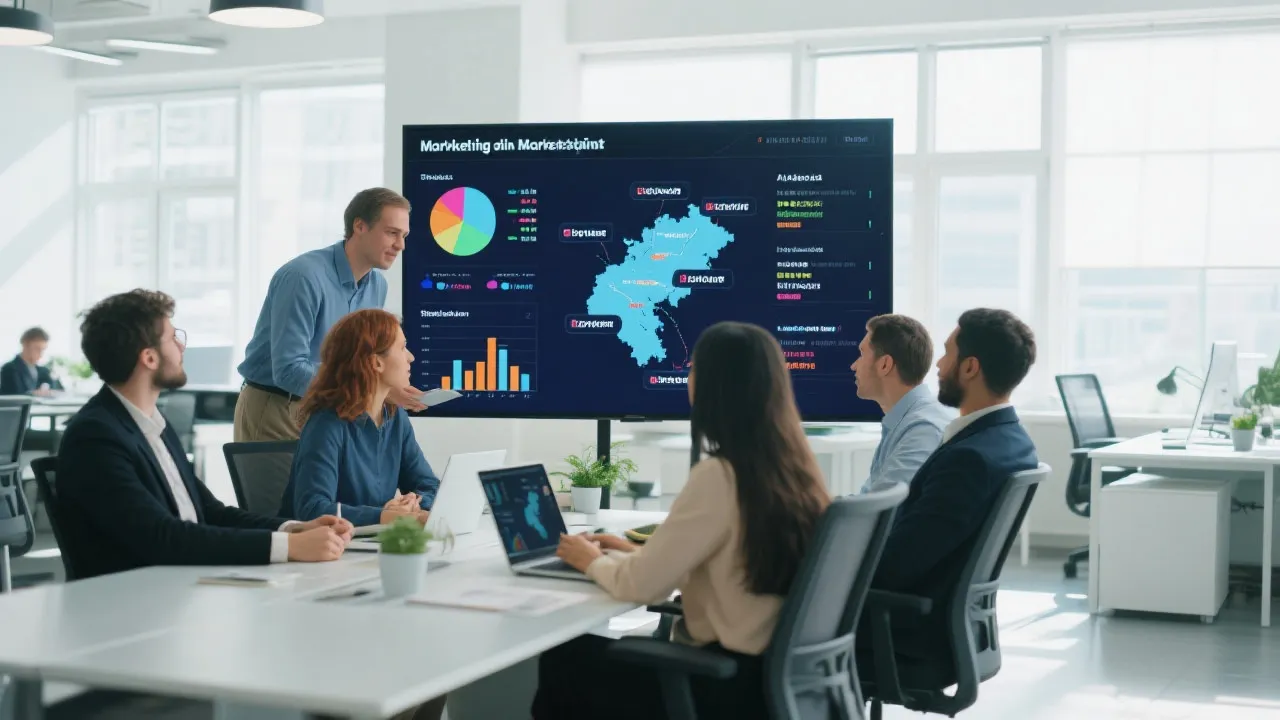


How to Build High-Converting Localized Content in Non-English Markets: A Multilingual Semantic Expression Playbook
This article explores how non-English markets can achieve high conversion rates through strategic multilingual content localization and brand consistency. It examines the role of unified brand information architecture and authoritative content modules—such as case studies, technical whitepapers, and customer testimonial videos—in building global buyer trust under AI-driven purchasing behavior. Practical strategies for culturally adapted multilingual semantic expression, SEO optimization, and cross-platform brand alignment are provided, empowering SMEs to establish a 'digital anchor' presence and gain sustainable competitive advantage worldwide.

Why Localized Content Drives Higher Conversions in Non-English Markets
In today’s global B2B landscape, a single English-only website is no longer enough to capture international buyers. According to HubSpot, companies that localize their content see up to 2.5x higher conversion rates compared to those who don’t—especially in markets like Germany, Japan, and Brazil where cultural nuance matters deeply.
The Hidden Power of Brand Consistency Across Languages
Buyers from non-English-speaking regions don’t just want translation—they want trust. A study by Common Sense Advisory found that 75% of global B2B buyers prefer purchasing from vendors who speak their language. But consistency in tone, structure, and messaging across languages builds credibility faster than any one-off translation can.
For example, if your US site uses case studies as proof points, the same format must be adapted—not translated—for German or Arabic audiences. This isn't about literal accuracy—it's about emotional resonance. When you align brand architecture (like product positioning, core values, and visual identity) across all markets, you create what we call a “digital anchor”—a consistent point of reference for buyers navigating complex procurement journeys.
| Market | Preferred Content Type | Avg. Conversion Lift |
|---|---|---|
| Germany | Technical whitepapers + client testimonials | +31% |
| Japan | Video case studies + structured FAQ sections | +28% |
| Brazil | Local influencer reviews + comparison charts | +34% |
AI-Driven Search Behavior Demands Smart Keyword Strategy
With AI-powered tools like Google’s “Helpful Content Update” now shaping how buyers search, it’s critical to optimize not only for keywords but for intent. For instance, while “industrial automation solutions” might work globally, local variations such as “automatización industrial para fábricas en México” or “Industrieautomation Lösungen für Maschinenbau in Deutschland” drive higher relevance—and better SEO rankings.
Use tools like Ahrefs or SEMrush to identify high-intent, low-competition long-tail phrases specific to each market. Then map them into localized landing pages that answer real buyer questions—not just promote features.
Pro Tip:
Don’t just translate content—recreate it. That means adapting examples, metrics, and even storytelling style to match regional expectations.
How to Build Trust Through Interactive Elements
Once visitors land on your localized page, they need to feel confident—not just informed. Embedding interactive elements like live chat widgets (with multilingual support), downloadable technical specs, or embedded customer videos increases dwell time by up to 40%, according to Wyzowl data.
Include a simple Q&A module at the bottom of each page tailored to common objections: “Is this compatible with our existing systems?” or “Can I get samples before bulk order?” These small touches signal that you understand their world—not just your own.
Ready to Speak Their Language?
Stop losing deals because your message doesn’t resonate. We help B2B brands build high-converting, multi-language websites that convert curiosity into qualified leads—even in markets where English is not spoken.
Get Your Free Localization Audit Now →.png?x-oss-process=image/resize,h_100,m_lfit/format,webp)
.png?x-oss-process=image/resize,h_100,m_lfit/format,webp)

.png?x-oss-process=image/resize,h_100,m_lfit/format,webp)
.png?x-oss-process=image/resize,h_100,m_lfit/format,webp)
.png?x-oss-process=image/resize,h_100,m_lfit/format,webp)
.png?x-oss-process=image/resize,h_100,m_lfit/format,webp)
