.png?x-oss-process=image/resize,h_100,m_lfit/format,webp)

.png?x-oss-process=image/resize,m_lfit,w_200/format,webp)

热门产品

Popular articles
Green supply chain construction for small and medium-sized enterprises: the key to sustainable compliance management!
Improve international customer satisfaction with Foreign Trade Geek's multi-language support!
Mastering These Techniques to Make Your Foreign Trade Website More Competitive!
Essential Guide for B2B Export Companies: AI-Powered Marketing Tutorial by Trade Geek
No-Code Intelligent Website Builder Tutorial: How Non-Technical Users Can Create a Multilingual B2B Export Website in 3 Hours
Sharing Insights: My Successes and Failures in Foreign Trade Client Development
Recommended Reading





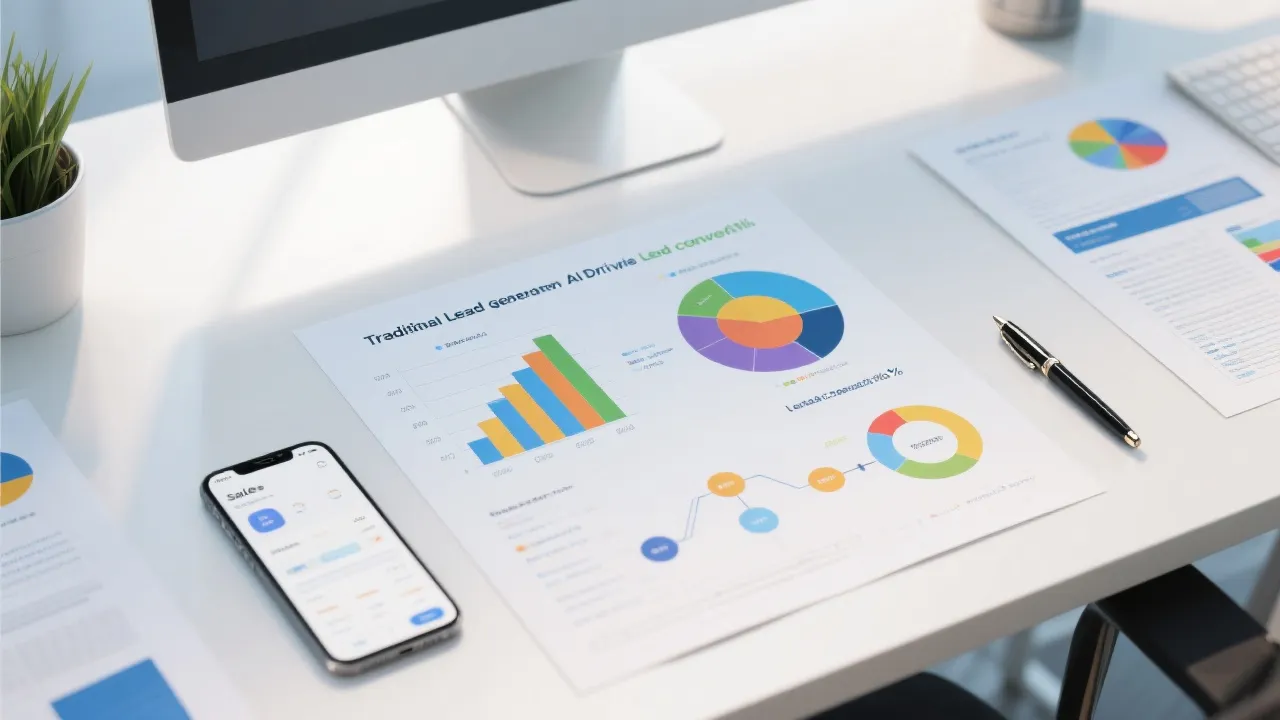


How to Build a Multilingual B2B Website for Global SEO Success Without Coding
This practical guide walks non-technical users through setting up an international B2B website using zero-code smart web builders. Learn how to input brand information, generate AI-powered site structures, choose industry-specific templates (150+ options), configure multilingual SEO settings, manage multiple sites efficiently, and optimize performance with real-time data insights—all in under 3 hours. Step-by-step visuals and actionable tips help you boost search rankings, increase global visibility, and drive qualified leads from overseas markets.
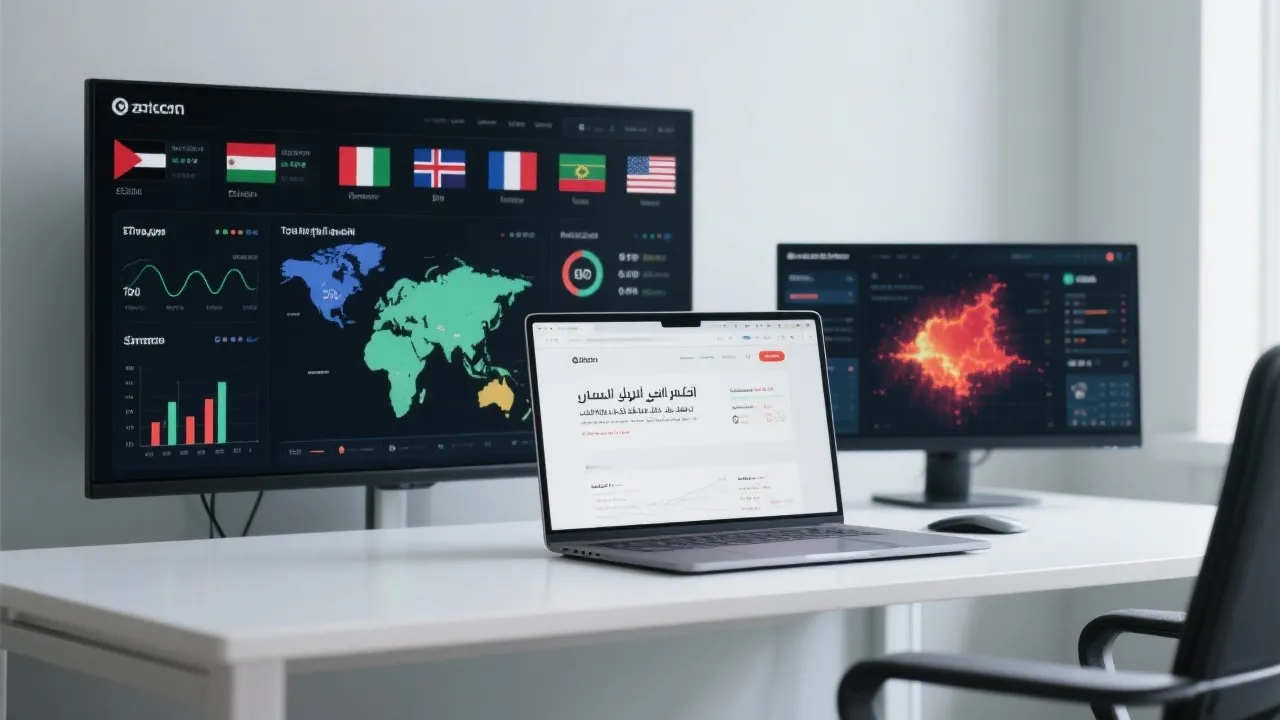
How to Build a Global B2B Website in 3 Hours — Without Coding
For exporters and B2B brands targeting international markets, your website is no longer just a digital brochure—it’s your 24/7 sales rep, brand ambassador, and SEO engine. But if you're not tech-savvy, building a multilingual, search-optimized site can feel overwhelming. Here’s how to do it fast—with zero code.
Step 1: Input Your Brand Info → Let AI Do the Heavy Lifting
Start by entering your company name, core products, target countries, and industry verticals (e.g., "industrial machinery for EU and Middle East"). Most modern platforms use AI to generate a full site structure in under 5 minutes—complete with navigation, product pages, and even localized contact forms.
Pro tip: Include keywords like “precision metal parts supplier” or “B2B stainless steel manufacturer” early—they’ll guide content generation and help with SEO later.
Step 2: Choose Industry Templates That Match Local Taste
| Region | Preferred Design Style | SEO Tip |
|---|---|---|
| Germany | Clean, minimalist, data-heavy | Use structured data markup for product specs |
| UAE | Modern, bold visuals, trust-focused | Add client testimonials in Arabic + English |
| USA | Fast-loading, mobile-first, benefit-driven | Optimize meta titles with US-centric keywords |
Step 3: Launch Multilingual Sites with Built-in Local SEO
Don’t just translate—localize. A study by Common Sense Advisory shows that 75% of global buyers prefer websites in their native language. With smart platforms, you can publish versions in Spanish, German, Arabic, and more—all while maintaining consistent branding and SEO performance.
Key tactic: Use hreflang tags correctly so Google knows which version to show where. This boosts rankings in local SERPs—not just globally. For example, a Spanish version should rank higher in Spain than an English one.
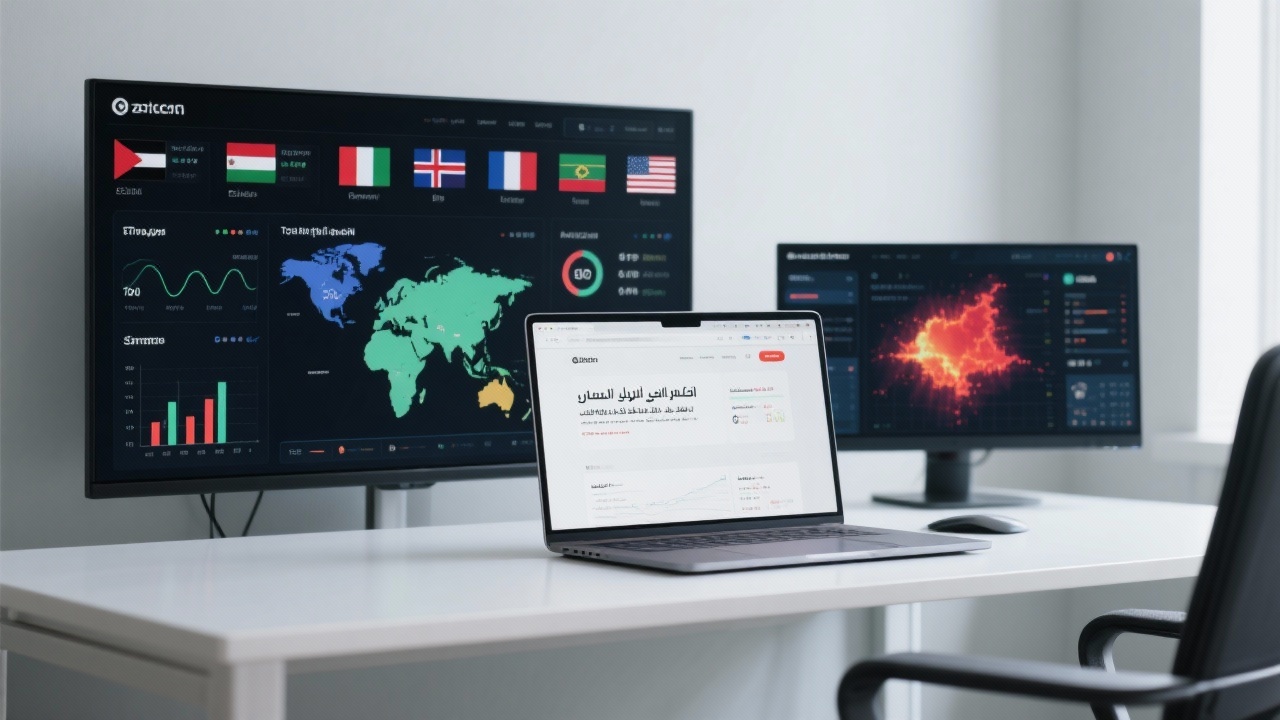
Step 4: Monitor & Optimize Like a Pro
After launch, track metrics like bounce rate, time-on-page, and keyword rankings across languages. Many tools now offer AI-powered suggestions—like adding FAQ schema for high-intent queries or rewriting low-performing headlines.
Example: One client saw a 42% increase in organic traffic within 6 weeks after implementing AI-generated blog posts targeting long-tail keywords like “best CNC machining services in Turkey.”
You don’t need to be a developer—or a marketer—to build a high-converting B2B site that speaks globally. Just start small, iterate fast, and let the platform handle the rest.
.png?x-oss-process=image/resize,h_100,m_lfit/format,webp)
.png?x-oss-process=image/resize,h_100,m_lfit/format,webp)

.png?x-oss-process=image/resize,h_100,m_lfit/format,webp)
.png?x-oss-process=image/resize,h_100,m_lfit/format,webp)
.png?x-oss-process=image/resize,h_100,m_lfit/format,webp)
.png?x-oss-process=image/resize,h_100,m_lfit/format,webp)
