.png?x-oss-process=image/resize,h_100,m_lfit/format,webp)

.png?x-oss-process=image/resize,m_lfit,w_200/format,webp)

热门产品

Popular articles
Attention newbies! From scratch, we will teach you step by step how to build a global brand exposure system for small businesses!
Export Tax Rebate System Guide: Step-by-Step Tutorial for Business申报 Platforms
Save it now! A collection of 160 commonly used foreign trade tools (from top sellers)!
Essential Points of Egypt GOEIC CoC Certification: Document Lists for Textiles and IT Products Customs Clearance
Will RFQs still be effective for getting orders in 2025? A beginner's guide to turning RFQs into high-quality inquiries in 3 steps.
Essential for foreign trade SOHO: Comprehensive analysis and efficient configuration guide of intelligent customer follow-up tools
Mastering the 'I Need to Think About It' Objection: A Proven外贸 Sales Strategy
Recommended Reading


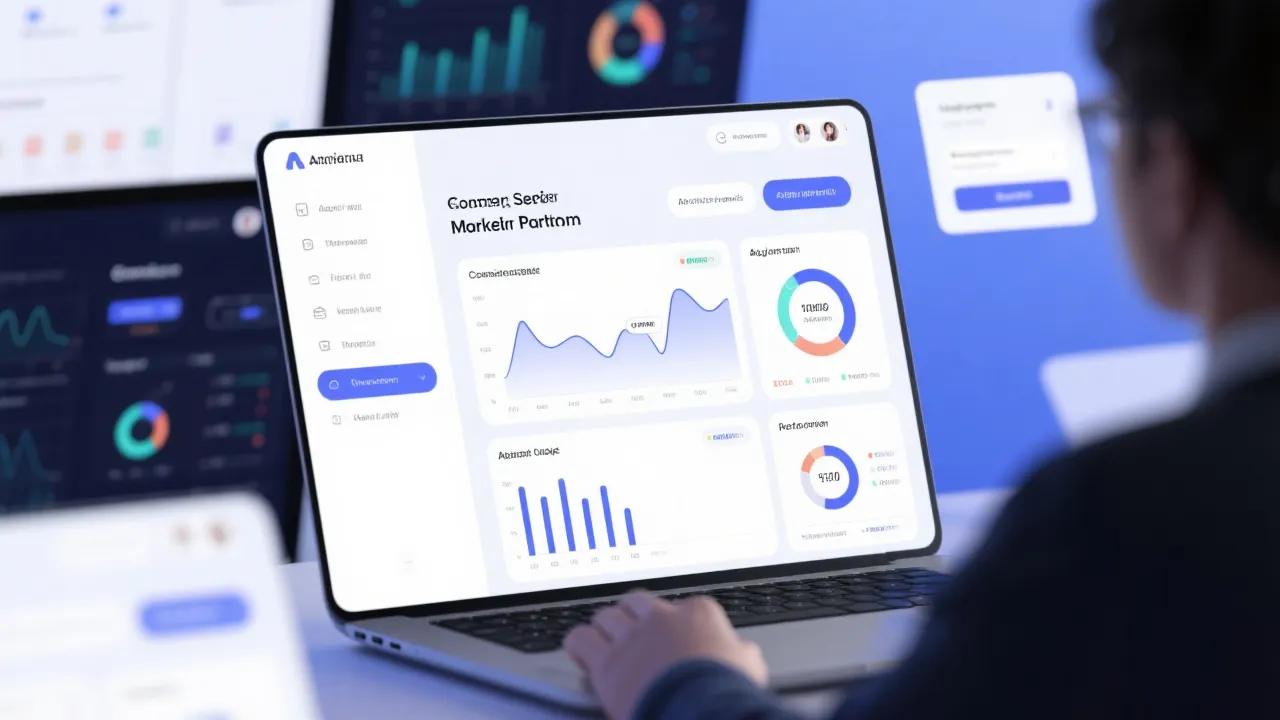





Identifying High-Potential Overseas Clients Using Customs Data: 3 Practical Steps
This article provides a comprehensive guide on leveraging global customs data to identify high-potential overseas clients. It explains the legal and compliant methods of data collection, key indicator analysis, and advanced techniques such as multilingual keyword monitoring and purchase behavior forecasting. Through real-world case studies, it demonstrates how companies can efficiently extract valuable customer insights from vast datasets, addressing traditional challenges of low acquisition efficiency and high costs in foreign trade. The insights empower businesses to achieve precise customer targeting and sustainable growth in cross-border trade.

How to Identify High-Potential Overseas Clients Using Customs Data: 3 Practical Steps
Global customs data has revolutionized the way B2B exporters identify promising overseas clients, offering a treasure trove of information that traditional sales channels often miss. By analyzing structured trade flows, purchasing patterns, and multi-language keyword trends, companies can target high-value customers with surgical precision—reducing acquisition costs and accelerating growth in cross-border trade.
Step 1: Legally Acquire and Structure Customs Data
The foundation of effective client discovery is obtaining customs data through authorized channels ensuring compliance with international trade laws. Reliable sources include official government trade portals, third-party data providers specializing in trade intelligence, and customs brokerage partners.
Once collected, the data must be organized along key dimensions such as product classification (HS codes), shipment origin/destination, shipment volume, and timing. This structured approach allows companies to track which products are entering specific markets and who the importers or buyers are. For example, a cleaned dataset covering the past 12 months can reveal emerging trends in product demand and new market entrants.
Step 2: Analyze Key Metrics to Discover High-Potential Markets and Clients
With the structured data in place, companies should focus on three pivotal metrics:
- Product Category Growth: Identify product segments with rising import volumes over consecutive quarters. A 15%-30% year-over-year increase in specific HS codes often signals expanding consumption.
- Regional Import Concentrations: Pinpoint countries or regions showing persistent import activity and potential market saturation points, highlighting promising geographies.
- Importer Profile and Patterns: Examine importer consistency and volume to shortlist high-potential clients exhibiting sustained or increasing purchase behavior.
Case in point: A mid-sized electronics manufacturer discovered a growing demand in Southeast Asia by analyzing customs data showing a 25% quarterly rise in the import of their category into Vietnam and Thailand. By further drilling into importer details, they prioritized outreach to buyers with the largest shipment values and consistent purchase history.

Step 3: Leverage Multi-language Keyword Monitoring and Predictive Procurement Analysis
Beyond raw shipment data, integrating multi-language keyword monitoring related to products and buyer behavior on trade platforms allows businesses to spot early interest and intent signals. Custom algorithms scan search trends and inquiry frequencies for keywords in the buyers’ native languages, identifying shifts in purchasing preferences.
Coupling this with predictive analytics on procurement cycles derived from shipment timelines enables forecasting when clients are likely to restock, optimizing timing for outreach. For example, a predictive model might reveal that buyers typically reorder components every 45 days, prompting preemptive sales engagement to maximize conversion.

One enterprise combined customs data and keyword insights to successfully identify dormant clients showing renewed purchasing interest, resulting in a 30% boost in conversion rates during a targeted marketing campaign.
Data-Driven Client Acquisition: Real-World Impact
Companies using this triad approach—legal data acquisition, in-depth multi-dimensional analysis, and keyword-driven predictive techniques—consistently outpace peers in client acquisition efficiency. According to a 2023 industry survey, firms leveraging customs data analytics improved their inbound inquiry quality by 40% and cut customer acquisition costs by up to 25% within the first year.
(1).jpeg)
Innovative exporters can also integrate these data insights seamlessly into CRM and marketing automation tools to ensure timely, personalized outreach aligning perfectly with client buying cycles.
Discover how our free case study report on customs data-driven client acquisition can transform your export strategy. Download the Full Report Now »
.png?x-oss-process=image/resize,h_100,m_lfit/format,webp)
.png?x-oss-process=image/resize,h_100,m_lfit/format,webp)

.png?x-oss-process=image/resize,h_100,m_lfit/format,webp)
.png?x-oss-process=image/resize,h_100,m_lfit/format,webp)
.png?x-oss-process=image/resize,h_100,m_lfit/format,webp)
.png?x-oss-process=image/resize,h_100,m_lfit/format,webp)
