.png?x-oss-process=image/resize,h_100,m_lfit/format,webp)

.png?x-oss-process=image/resize,m_lfit,w_200/format,webp)

热门产品

Popular articles
Mastering B2B Export Marketing Automation: From Full-Funnel Tracking to AI-Powered Customer Management
Must read! After sending samples, the customer has no feedback. How can new foreign trade people deal with it with high emotional intelligence?
Don’t miss: Explore the export potential and popular product choices of B2B trade in the African market in 2025
How to shorten the sample delivery cycle: Practical experience sharing by senior foreign trade people
The EU will eliminate tax exemptions for parcels under €150 by 2026, impacting 91% of Chinese sellers.
Shocking! How AI Empowers B2B Export Companies for Breakthrough Brand Promotion
Boost Global Search Rankings for B2B Websites: A实战 Case Study on Multilingual SEO Matrix Optimization
One daily tip for building a foreign trade website: Mobile adaptation techniques for independent websites!
Recommended Reading


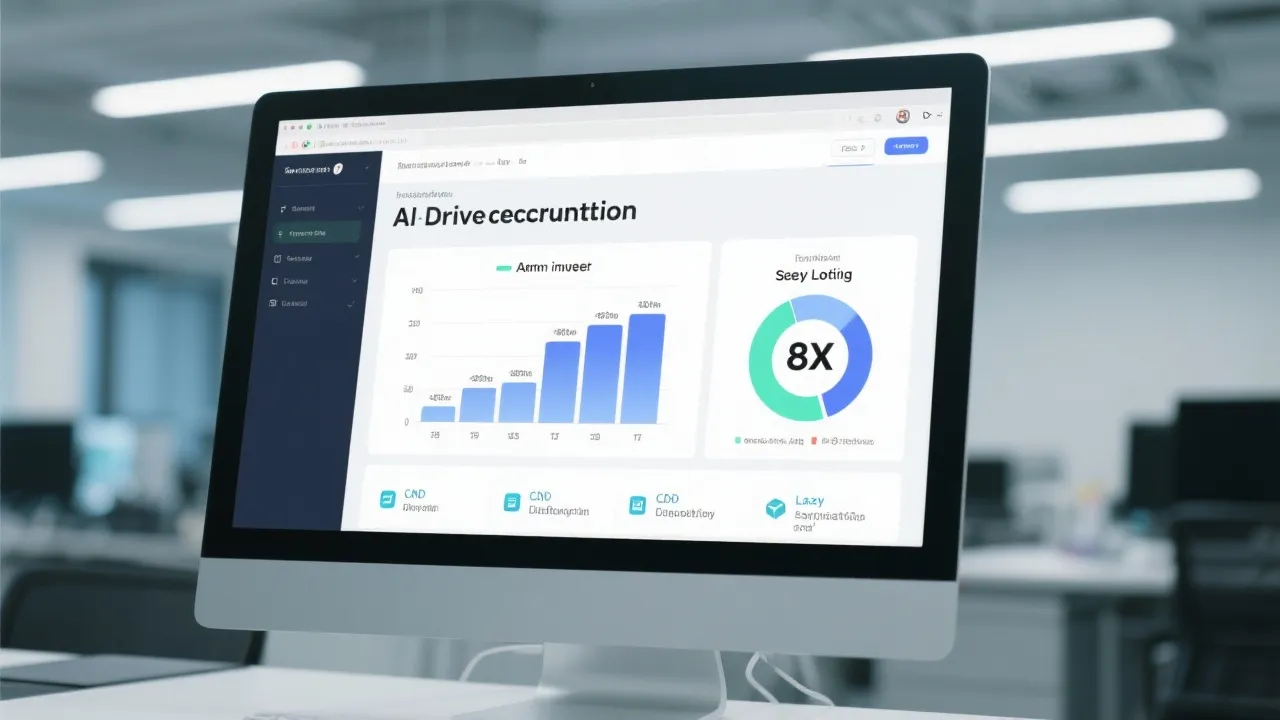
Comprehensive Guide to Industrial Multi-Language Website Development: From Setup to Data-Driven Insights
This comprehensive guide unpacks the entire process of building industrial multi-language websites tailored for B2B enterprises. Learn how to create independent sites from scratch, leverage AI to automatically generate technical documents and localized content, and implement SEO strategies alongside inquiry conversion tracking. Whether you are a machinery manufacturer, raw material supplier, or distributor, this article empowers you to harness intelligent tools for efficient multi-language site management and sustainable growth with ABKE’s seamless B2B customer acquisition loop.

Mastering Industrial B2B Multilingual Website Construction: From Setup to Data-Driven Growth
In the rapidly globalizing industrial market, your B2B website serves as the primary gateway to international buyers—from machinery manufacturers to raw material suppliers and distributors. Building a multilingual industrial website isn’t just about translation; it’s about creating an intelligent, scalable, and data-driven ecosystem that continuously fuels your inbound inquiries and sales pipeline.
Step 1: Establishing a Robust Independent Website Foundation
To start, you must select a flexible platform capable of supporting multi-language integration, such as Shopify Plus, WordPress with WPML, or Magento. The architecture should allow seamless expansion into new markets without sacrificing speed or user experience.
Implementing a headless CMS architecture is advisable, enabling you to manage content efficiently across languages while maintaining consistent design and UX. This approach supports 365-day unattended content updates via automated workflows, reducing manual overhead.
Step 2: Leveraging AI for Automated, Localized Technical Content Generation
Industrial buyers demand precision, clarity, and trustworthiness in product specs, FAQs, and technical descriptions. Manual content creation is time-consuming and prone to errors.
By deploying AI-driven content factories, you can automate the generation of industry-specific documents that adhere to regional norms and terminology. For example, natural language processing models trained on engineering lexicons can produce accurately localized product datasheets and specs in multiple languages, ensuring compliance with international standards.
One notable success story involves a European machinery supplier who reduced content turnaround from 4 weeks to 3 days by implementing AI-assisted multilingual content creation, resulting in a 30% increase in qualified inquiries.
Step 3: Strategic SEO Optimization for Industrial B2B Markets
For a multilingual industrial website, SEO goes beyond basic keyword stuffing. You must:
- Develop localized keyword strategies using market-specific search behaviors.
- Standardize industry terminology to avoid ambiguity across languages.
- Optimize metadata, URLs, and hreflang tags to signal language and regional targeting to search engines.
Research shows companies with carefully localized SEO see an average increase of 40-60% in organic leads within one year.
Step 4: User Journey Mapping and Automated Content Updates
Understanding buyer personas and their digital touchpoints allows you to align content delivery with their decision-making process. By integrating AI-powered analytics and CRM data, you can automate:
- Content updates based on user engagement metrics
- Personalized product recommendations across language versions
- Triggers for follow-up marketing workflows
This closes the loop, turning your website into a living sales engine rather than a static brochure.
Step 5: Implementing Inquiry and Conversion Tracking for B2B Insights
Transparency and measurement are vital to demonstrate ROI. Connecting your multilingual site with CRM tools and analytics platforms (such as HubSpot, Salesforce, Google Analytics 4) enables real-time tracking of:
| Metric | Purpose | Recommended Target |
|---|---|---|
| Multilingual Lead Conversion Rate | Evaluate inquiry quality per language site | ≥ 5% |
| Time to First Response | Improve sales responsiveness in native language | ≤ 24 hours |
| Page Engagement Depth | Understand user journey quality | ≥ 3 pages/session |
These KPIs empower continuous optimization, bridging marketing, sales, and product teams around data-driven decisions.
If you’re eager to harness AI-driven multilingual content strategies and track every step of your buyer’s journey with pinpoint accuracy, Grab your copy of the Multilingual Content Generation Template Pack now and transform your industrial website into a lead-generating powerhouse.
Building a Sustainable Multilingual Website Engine with AB Ke
Companies working with AB Ke experience how AI integration replaces tedious manual content creation, scaling up to dozens of languages without compromising quality. End-to-end solutions covering independent site setup, SEO-rich content development, and automated inquiry tracking forge a self-reinforcing growth loop indispensable for industrial B2B success.

Adapt and evolve your website today with cutting-edge AI tools and proven methodologies. The future of industrial B2B marketing lies in multilingual websites that intelligently serve and convert global buyers—seamlessly and scalably.
.png?x-oss-process=image/resize,h_100,m_lfit/format,webp)
.png?x-oss-process=image/resize,h_100,m_lfit/format,webp)

.png?x-oss-process=image/resize,h_100,m_lfit/format,webp)
.png?x-oss-process=image/resize,h_100,m_lfit/format,webp)
.png?x-oss-process=image/resize,h_100,m_lfit/format,webp)
.png?x-oss-process=image/resize,h_100,m_lfit/format,webp)
