.png?x-oss-process=image/resize,h_100,m_lfit/format,webp)

.png?x-oss-process=image/resize,m_lfit,w_200/format,webp)

热门产品

热门文章
打破时间和文化的界限,ABKE助你全球拓展新市场
免费海关数据平台综合指南:外贸新人的福音
不容错过:探索2025年非洲市场B2B贸易的出口潜力和热门产品选择
避免外贸独立站常见坑,打造高效获客营销网站的实用指南
提升B2B外贸网站建设效率的秘诀:揭秘AI赋能下,从品牌信息录入到上线,3小时搞定
某外贸B2B企业如何借助跨境应用实现业绩飞升
外贸SOHO提升客户跟进效率实用指南:CRM系统与邮件营销工具全面解析
B2B 出口公司必备:客户难寻,利润下滑?外贸极客AI 营销一招破局!
外贸极客智能营销与传统人工营销的深度市场洞察
如何在领英精准锁定海外B2B客户:市场洞察与实用策略
推荐阅读


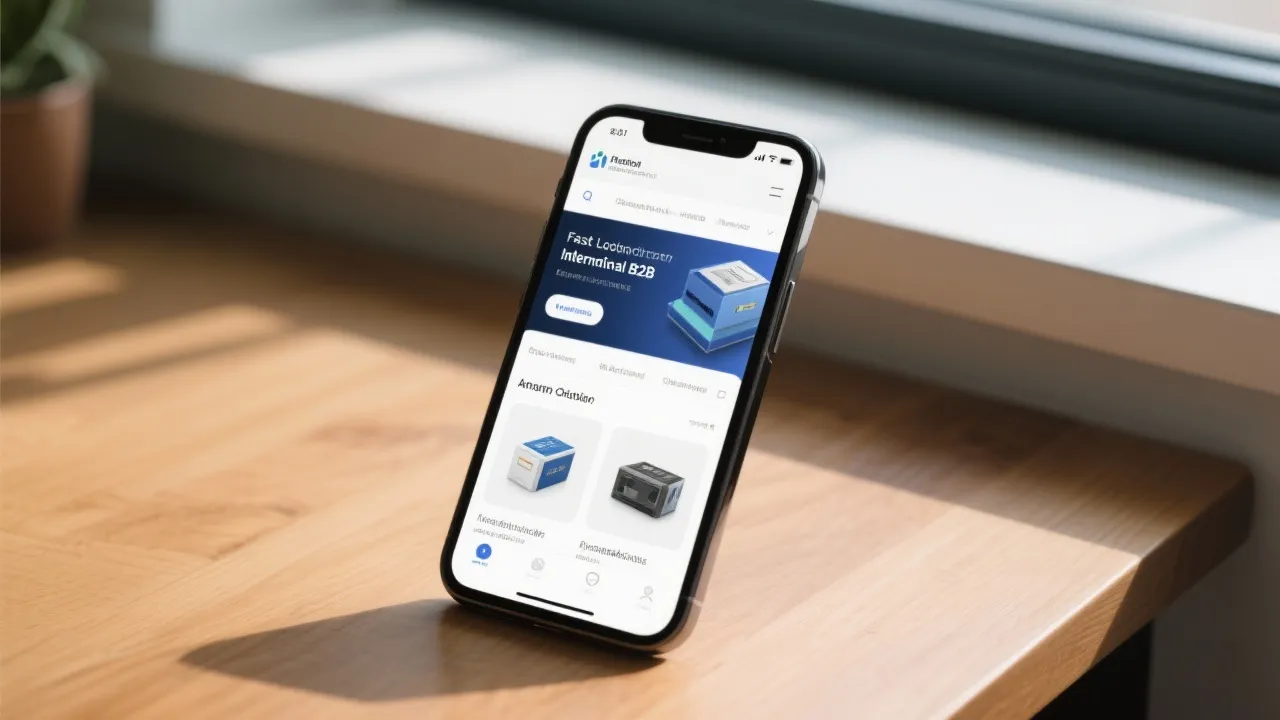


Multilingual B2B Content Operations: 90% of Companies Miss This Consistency Management Strategy
This in-depth guide reveals how AI-powered tools can accelerate the creation of multilingual B2B websites while ensuring content consistency across markets. Covering industry-specific semantic standardization, automated content generation for product specs and FAQs, and localized SEO strategies, it addresses common pitfalls in multilingual content management—such as inconsistent translations, poor user journey alignment, and ineffective site grouping. Real-world case studies and data-driven insights show how global exporters can build scalable, intelligent content systems that boost lead generation and ROI. Ideal for decision-makers and operations teams seeking zero-code solutions and measurable performance improvements in international B2B marketing.

Why 90% of B2B Companies Fail at Multilingual Content — And How to Fix It
When you're scaling globally, your website isn’t just a digital brochure—it’s your 24/7 sales rep. Yet, according to HubSpot’s 2024 Global B2B Survey, only 12% of international B2B brands maintain consistent messaging across all languages. The rest? They’re silently losing leads by mixing up product specs, confusing buyers with inconsistent translations, or worse—publishing content that doesn’t resonate locally.
The Hidden Cost of Inconsistent Multilingual Content
Let’s be real: translating “LED Floodlight” into German as “LED Flutlicht” sounds fine—but if the technical specs don’t match local certifications (like CE vs. UL), you’ll get confused inquiries, delayed deals, and even legal issues. A study from Common Sense Advisory found that companies with poor multilingual consistency lose an average of 18% in conversion rates per language.
| Language | Avg. Conversion Drop | Top Issue |
|---|---|---|
| German | 22% | Technical inconsistency |
| Spanish | 17% | Cultural mismatch |
| Arabic | 25% | Lack of localized SEO |
How AI Is Changing the Game for B2B Multilingual Websites
Enter AI-powered content factories—a system that doesn’t just translate but aligns meaning, tone, and compliance across markets. For example, tools like Phrase and Weglot now auto-generate FAQs, product descriptions, and meta tags using industry-specific semantics. One client in industrial automation saw a 40% increase in qualified leads within three months after implementing AI-generated multilingual content for their top 5 markets.
But here’s the catch: smart AI only works when you train it right. That means defining clear industry-specific glossaries, setting up language rules (e.g., formal vs. informal tone), and integrating with your CRM to track which content drives actual conversions—not just page views.
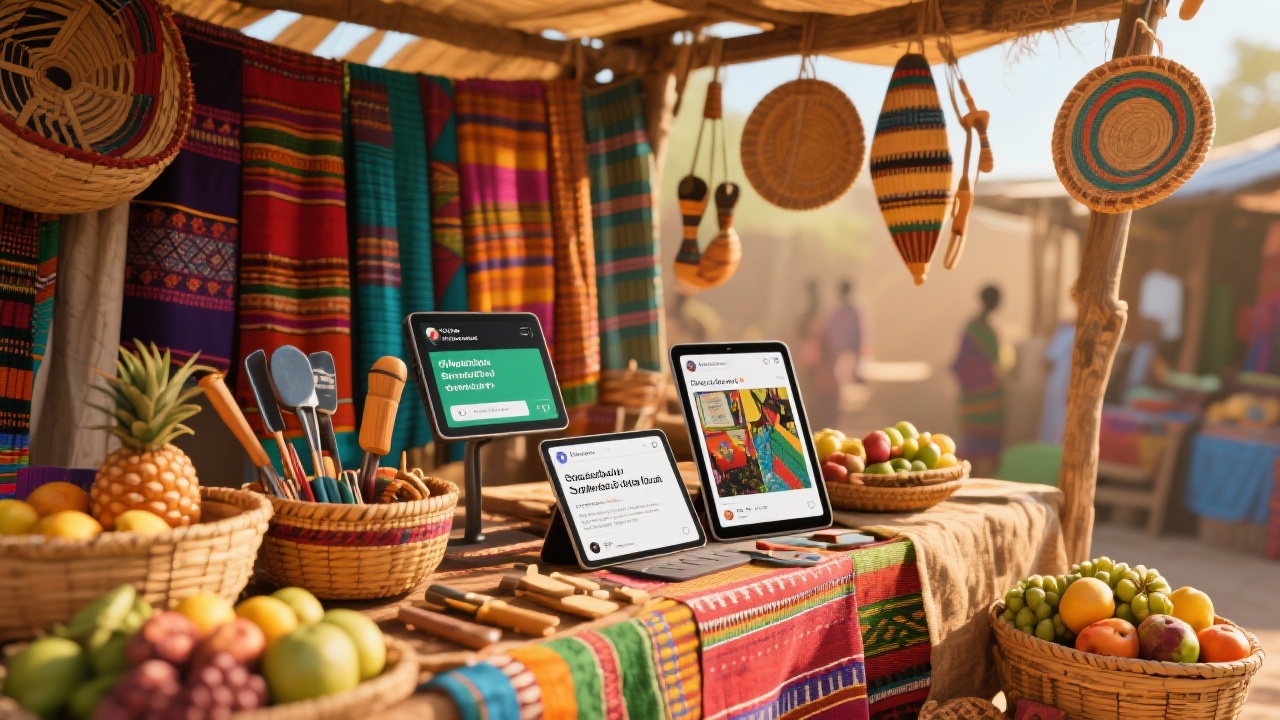
From Translation to Localization: Build Buyer Journeys That Convert
Think beyond translation. Your French visitor might care more about energy efficiency than price. An Indian buyer may want bulk pricing tiers explained clearly upfront. This is where user journey mapping meets localization strategy. Create content nodes based on real buyer behavior—not assumptions. Use Google Analytics + heatmaps to see where users drop off, then optimize those pages with localized answers.
And yes—you need a content calendar. Not just for publishing, but for maintaining consistency. Set monthly reviews for each language site. Track changes in search intent (via SEMrush or Ahrefs) and update keywords accordingly. Consistency isn’t static—it’s dynamic.
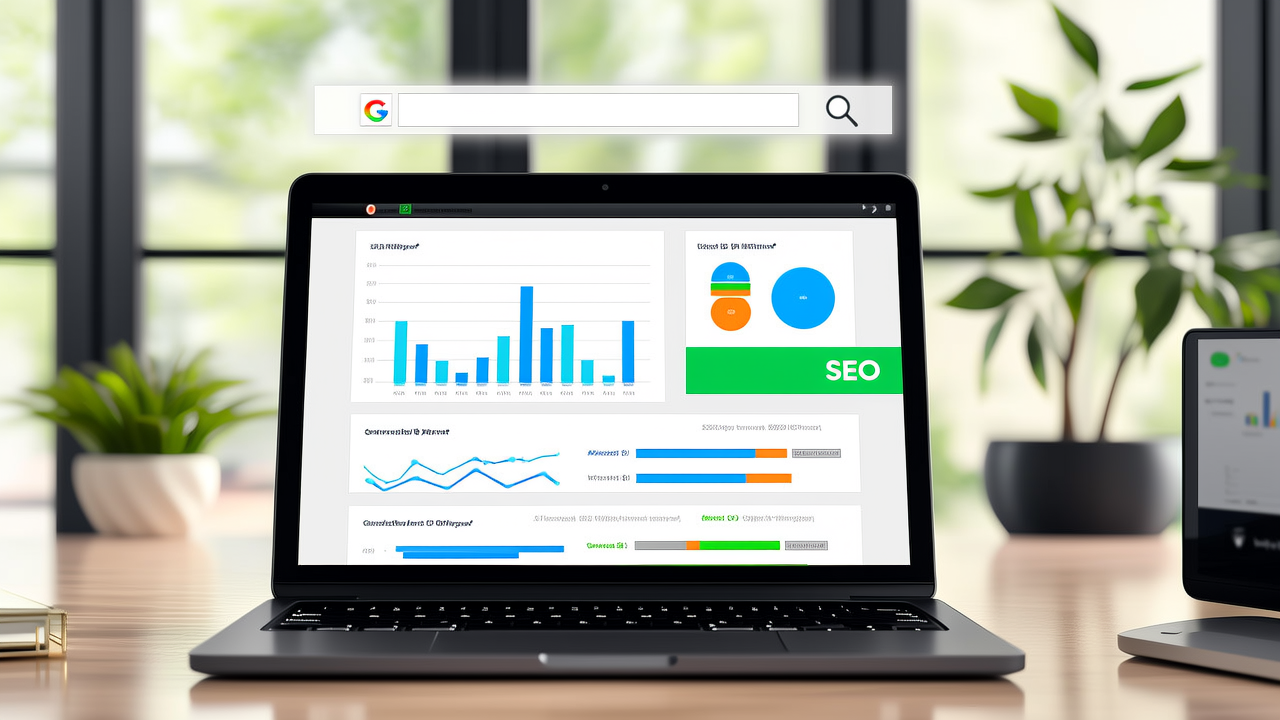
Most importantly: measure what matters. Use UTM parameters, form submissions, and time-on-page data to build a ROI dashboard. If one language has high traffic but low conversions, dig deeper—it’s likely not the translation, but the value proposition.
Ready to scale smarter?
Get our free Multi-Language Content Generator Template Pack—used by 500+ B2B exporters to launch faster, convert better, and avoid costly mistakes.
Download Now →.png?x-oss-process=image/resize,h_100,m_lfit/format,webp)
.png?x-oss-process=image/resize,h_100,m_lfit/format,webp)

.png?x-oss-process=image/resize,h_100,m_lfit/format,webp)
.png?x-oss-process=image/resize,h_100,m_lfit/format,webp)
.png?x-oss-process=image/resize,h_100,m_lfit/format,webp)
.png?x-oss-process=image/resize,h_100,m_lfit/format,webp)
