.png?x-oss-process=image/resize,h_100,m_lfit/format,webp)

.png?x-oss-process=image/resize,m_lfit,w_200/format,webp)

热门产品

Popular articles
2025 latest! Detailed explanation of the customs declaration process in import and export trade, just save this one!
Uncovering the secrets of foreign trade B2B order execution process: practical tips not to be missed
Russia EAC Certification Update: Analyzing the Impact of CU-TR Standards on Exporting Enterprises
How exchange rate fluctuations affect foreign trade profitability: Analysis of key risk points in import and export business
A daily tip for building a website for foreign trade: Tutorial on setting up anti-hotlinking measures to prevent your website images from being stolen.
Why 80% of B2B Purchase Decisions Start on Google: An Independent Website is Your Must-Have
Automated Scoring Logic Revealed: How to Save 80% Manual Screening Time for Precise B2B Lead Generation
推荐阅读




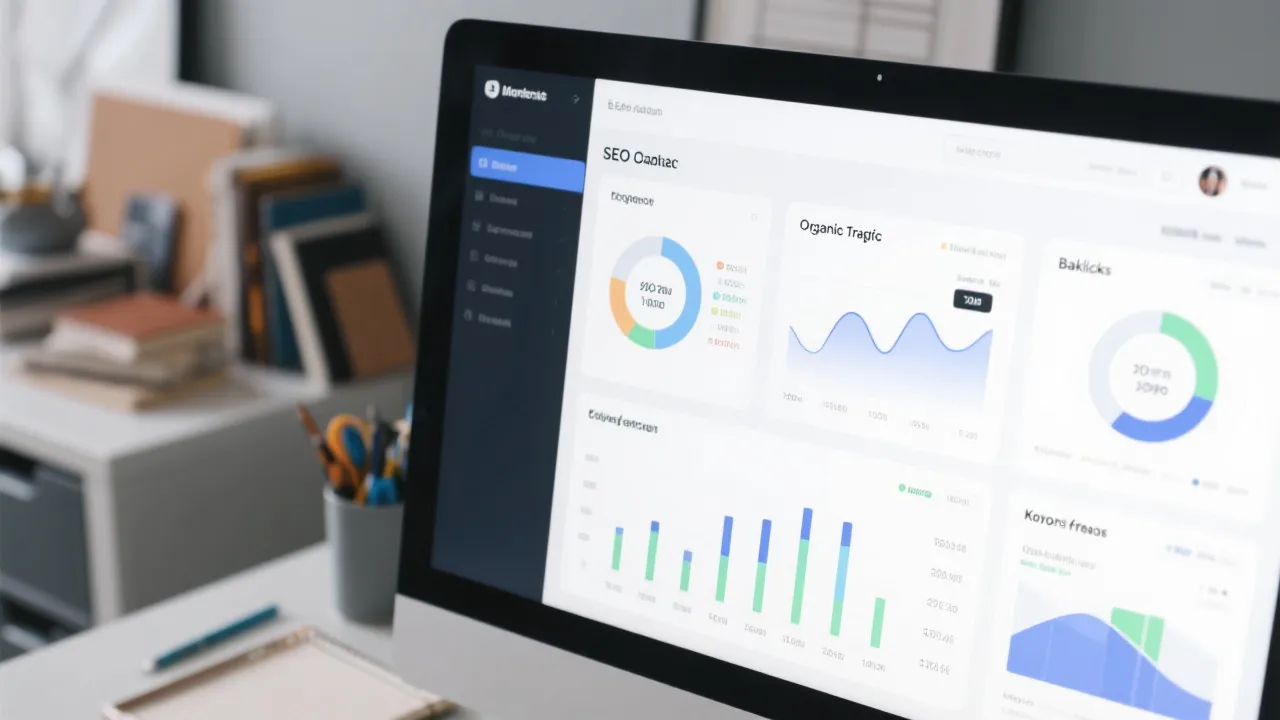
Comparison of Multilingual B2B Keyword Monitoring Tools: Which One Suits Your Export Business?
In global B2B customer acquisition, multilingual keyword monitoring has become a key tool to enhance accuracy and response speed. This article delves into how semantic analysis, real-time crawling, and cross - language recognition technologies help businesses unearth high - potential customers from a vast amount of data. It compares the functional differences of mainstream tools, offers practical and implementable guides, and reveals the business opportunity signals behind keyword changes through industry cases such as machinery manufacturing and electronic components. Whether you're a marketing executive or a salesperson, you can find methodologies to improve customer acquisition efficiency here.
(1).jpg?x-oss-process=image/resize,h_1000,m_lfit/format,webp)
In the era of globalized B2B customer acquisition, multi - language keyword monitoring has emerged as a pivotal tool to enhance the precision and responsiveness of your export business. Let's delve into how this technology can revolutionize your approach to finding high - potential customers.
The Pain Points in Global B2B Customer Acquisition
You may have faced challenges in identifying the right customers from a vast sea of data. The complexity of different languages, cultural nuances, and the ever - changing market trends make it difficult to target the most promising leads. For instance, in the mechanical manufacturing and electronic components industries, understanding the search behavior of customers from various regions is crucial. But without the right tools, it's like searching for a needle in a haystack.
The Technical Logic Behind Multi - language Keyword Monitoring
There are several key technologies at play in multi - language keyword monitoring. Semantic analysis helps to understand the meaning behind the keywords, allowing you to identify potential customers based on their intent. Real - time crawling technology enables you to keep up with the latest search trends, ensuring that you don't miss any opportunities. Cross - language recognition technology breaks down the language barriers, making it possible to analyze data from different countries.
Take the example of using AI - driven semantic clustering models. These models can group similar search terms together, providing a more comprehensive view of the market. With access to a global database of 230 million enterprises and customs information from over 80 countries, you can gain valuable insights into the purchasing behavior of potential customers.
(1).jpg)
Real - world Industry Case Studies
Let's look at some real - world examples. In the custom PCB industry, monitoring the search trends can trigger new orders. By analyzing the keywords related to custom PCB, you can identify when there is an increasing demand for specific types of PCBs. This information can be used to proactively approach potential customers and secure new business.
"Multi - language keyword monitoring has been a game - changer for our business. It has allowed us to identify new customers in markets we never thought possible." - A market leader in the electronic components industry
Comparing Mainstream Multi - language B2B Keyword Monitoring Tools
There are several mainstream tools available in the market. When comparing these tools, you need to consider multiple factors such as multi - language support, real - time performance, semantic understanding, and automation level. Here is a comparison table:
| Tool Name | Multi - language Support | Real - time Performance | Semantic Understanding | Automation Level |
|---|---|---|---|---|
| Tool A | Yes | High | Good | Medium |
| Tool B | Limited | Medium | Average | High |

Choosing the Right Tool for Your Business
When choosing a multi - language B2B keyword monitoring tool, you need to consider your specific business needs. If you are in an industry with high - frequency keyword changes, a tool with high real - time performance may be more suitable. On the other hand, if you need to deal with a large number of languages, a tool with strong multi - language support is essential.
SEO - friendly Long - tail Keyword Layout
Implementing an SEO - friendly long - tail keyword layout can further enhance the effectiveness of your keyword monitoring. Long - tail keywords are more specific and less competitive, which can help you target niche markets. For example, instead of just targeting "electronic components", you can target "custom - made high - performance electronic components for automotive applications".
.jpg)
By now, you should have a better understanding of the value of multi - language B2B keyword monitoring tools. To help you implement these strategies more effectively, we offer a comprehensive guide. 立即获取《多语言关键词监控操作手册》PDF版
.png?x-oss-process=image/resize,h_100,m_lfit/format,webp)
.png?x-oss-process=image/resize,h_100,m_lfit/format,webp)

.png?x-oss-process=image/resize,h_100,m_lfit/format,webp)
.png?x-oss-process=image/resize,h_100,m_lfit/format,webp)
.png?x-oss-process=image/resize,h_100,m_lfit/format,webp)
.png?x-oss-process=image/resize,h_100,m_lfit/format,webp)
